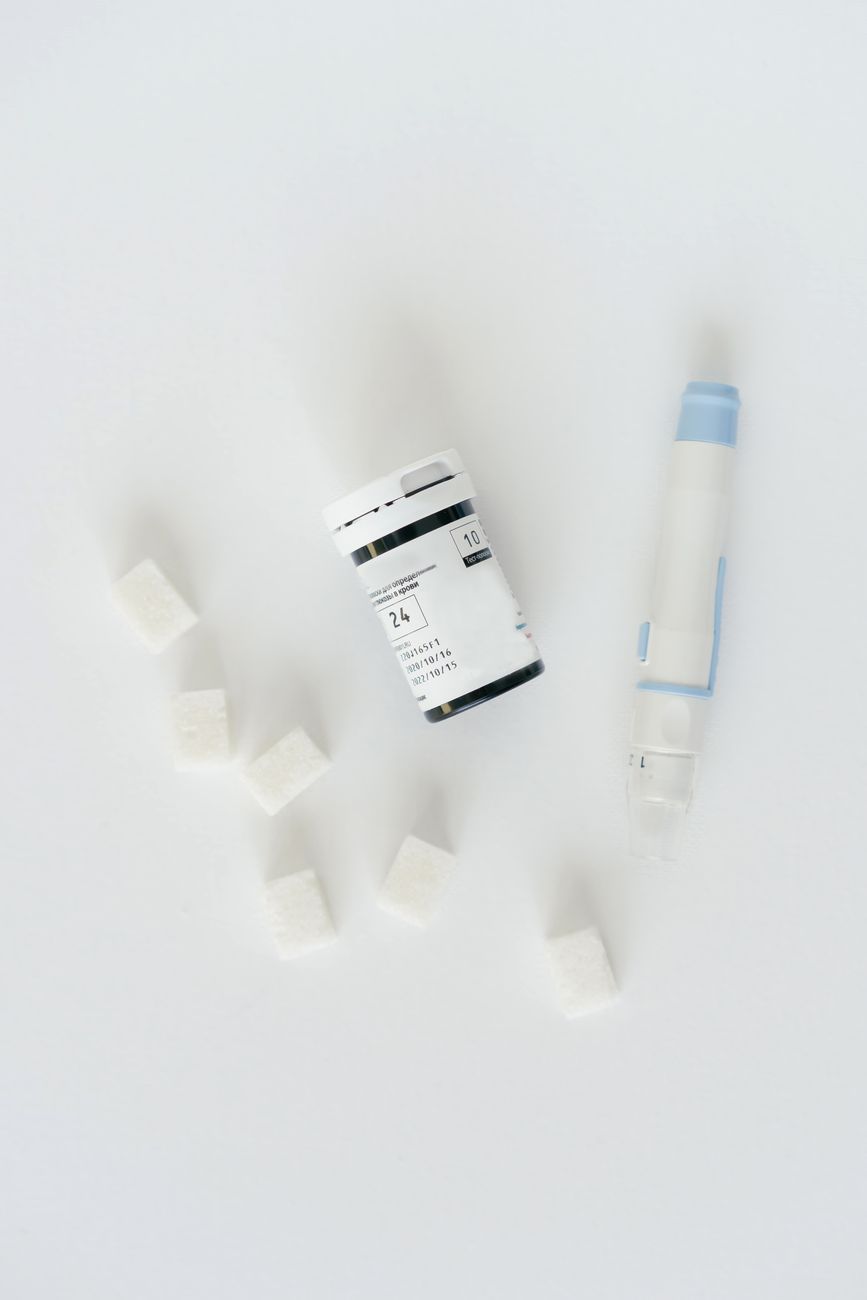
Understanding and improving your metabolic health and insulin sensitivity can significantly reduce your risk of chronic diseases like type 2 diabetes and heart disease. Small, targeted lifestyle changes can reverse insulin resistance and promote overall well-being.
What is metabolic health, and why is it essential for your long-term wellness?
Metabolic health reflects how efficiently your body processes nutrients and maintains energy balance. It involves key indicators such as blood sugar levels, blood pressure, cholesterol, and waist circumference. Achieving good metabolic health lowers your risk of heart disease, diabetes, and related health issues.
How does insulin work, and what exactly is insulin resistance?
Insulin is a hormone that helps your body use or store sugar from food for energy. After eating, insulin facilitates the transfer of sugar into your cells. When your body becomes less responsive to insulin, this condition is called insulin resistance, requiring more insulin to achieve the same effect.
Over time, insulin resistance strains your pancreas, leading to elevated blood sugar levels and increasing the risk of type 2 diabetes. Understanding this process is crucial for prevention and management.
Why is insulin resistance considered a foundational cause of metabolic issues?
Insulin resistance is central to many metabolic problems. It’s linked to excess visceral fat, poor dietary choices, sedentary lifestyles, and chronic inflammation. When insulin doesn’t work properly, it promotes high blood pressure, abnormal cholesterol, and increased fat storage, all impairing metabolic health.
How does insulin resistance compare to other metabolic risk factors?
| Factor | Impact on Metabolic Health |
|---|---|
| Insulin Resistance | Leads to high blood sugar, type 2 diabetes, and cardiovascular risk |
| High Blood Pressure | Damages arteries, increasing heart attack risk |
| Abnormal Cholesterol | Promotes arterial plaque buildup |
| Excess Waist Fat | Increases inflammation and insulin resistance |
Can you improve or reverse insulin resistance through lifestyle changes?
Yes, insulin resistance is often reversible with lifestyle modifications. Improving your diet, increasing physical activity, and managing stress are key steps. Even modest weight loss can significantly enhance insulin sensitivity and overall health.
What dietary strategies and supplements support metabolic health?
- Eat a balanced diet rich in fiber, healthy fats, and lean proteins to stabilize blood sugar levels.
- Include foods high in magnesium and omega-3 fatty acids, which may support insulin sensitivity, though evidence varies.
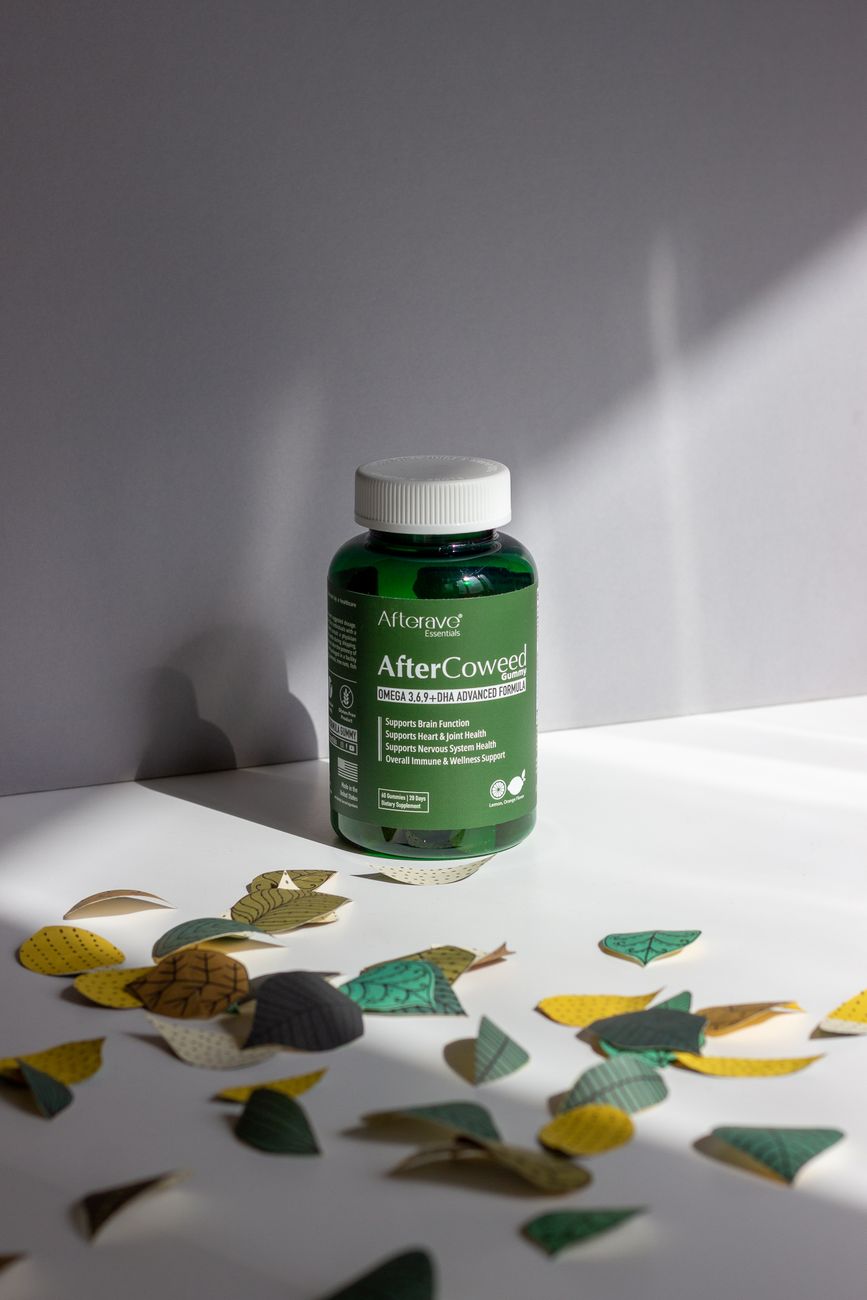
- Consider supplements as an adjunct to lifestyle changes; always consult your healthcare provider before starting new supplements.
How can I practically improve my metabolic health?
- Adopt a whole-foods-based diet emphasizing vegetables, fruits, and whole grains.
- Engage in at least 150 minutes of moderate exercise weekly, such as brisk walking, cycling, or swimming.
- Maintain a healthy weight, focusing on reducing abdominal fat through diet and activity.
- Manage stress via mindfulness practices, quality sleep, and relaxation techniques.
What are common misconceptions about insulin resistance?
Many believe insulin resistance only affects overweight individuals, but it can occur in lean people too. Some assume medication is the only solution, but lifestyle changes are often sufficient and preferable for reversing insulin resistance.
How does improving metabolic health impact other aspects of well-being?
Better metabolic health enhances energy levels, mental clarity, sleep quality, and overall quality of life. It also reduces the risk of developing chronic illnesses, allowing you to live healthier longer.
What steps can I take today to start improving my metabolic health?
- Evaluate your current diet and incorporate more whole foods.
- Increase physical activity gradually to meet the 150-minute weekly goal.
- Monitor your weight and waist circumference regularly.
- Prioritize stress management and quality sleep.
Can I find support and resources to help me on this journey?
Absolutely. Healthcare providers, nutritionists, and fitness professionals can guide your efforts. For more insights, check our related articles on [Managing Blood Sugar](https://example.com/managing-blood-sugar) and [Stress Reduction Techniques](https://example.com/stress-reduction).
People also ask
A1: Yes, through diet, exercise, and lifestyle changes, insulin resistance can often be reversed without medication.
A2: Some improvements may be noticeable within weeks, but significant changes in insulin sensitivity may take several months with consistent effort.
A3: Yes, insulin resistance can occur in lean individuals, especially if they have poor diet, lack of activity, or genetic predispositions.

0 Comments