Understanding the link between hormones and insulin resistance
Hormones act as messengers in the body, controlling functions like metabolism, mood, and energy. When hormone levels are out of balance, they can affect how your body responds to insulin.
How hormonal imbalances can lead to insulin resistance
Insulin resistance happens when your cells stop responding properly to insulin, causing blood sugar levels to rise. Imbalances such as elevated cortisol (the stress hormone), thyroid hormone issues, and sex hormones like estrogen and testosterone can interfere with normal insulin function.
For instance, high cortisol from ongoing stress can promote fat storage and disrupt insulin’s ability to control blood sugar. Low thyroid function can slow down metabolism and worsen insulin sensitivity.
Natural ways to support hormonal health and lower insulin resistance
While sometimes medication is needed, many people see improvements through lifestyle and diet changes that support hormone health and insulin sensitivity.
1. Eat a balanced diet
Choosing whole foods high in fiber, healthy fats, and lean proteins helps keep blood sugar stable and supports hormone production. Cutting back on refined carbs and sugars can reduce insulin spikes and hormonal swings.
2. Manage stress
Ongoing stress raises cortisol, which can worsen insulin resistance. Practices like mindfulness, meditation, yoga, or deep breathing can help lower stress hormones naturally.
3. Get enough quality sleep
Sleep is vital for hormone regulation. Aim for 7 to 9 hours of restful sleep to balance cortisol, leptin, and insulin, supporting overall metabolic health.
4. Stay active regularly
Exercise helps improve insulin sensitivity and balance hormones. Even moderate activities like walking or swimming can have a positive impact.
5. Use supportive nutrients and supplements
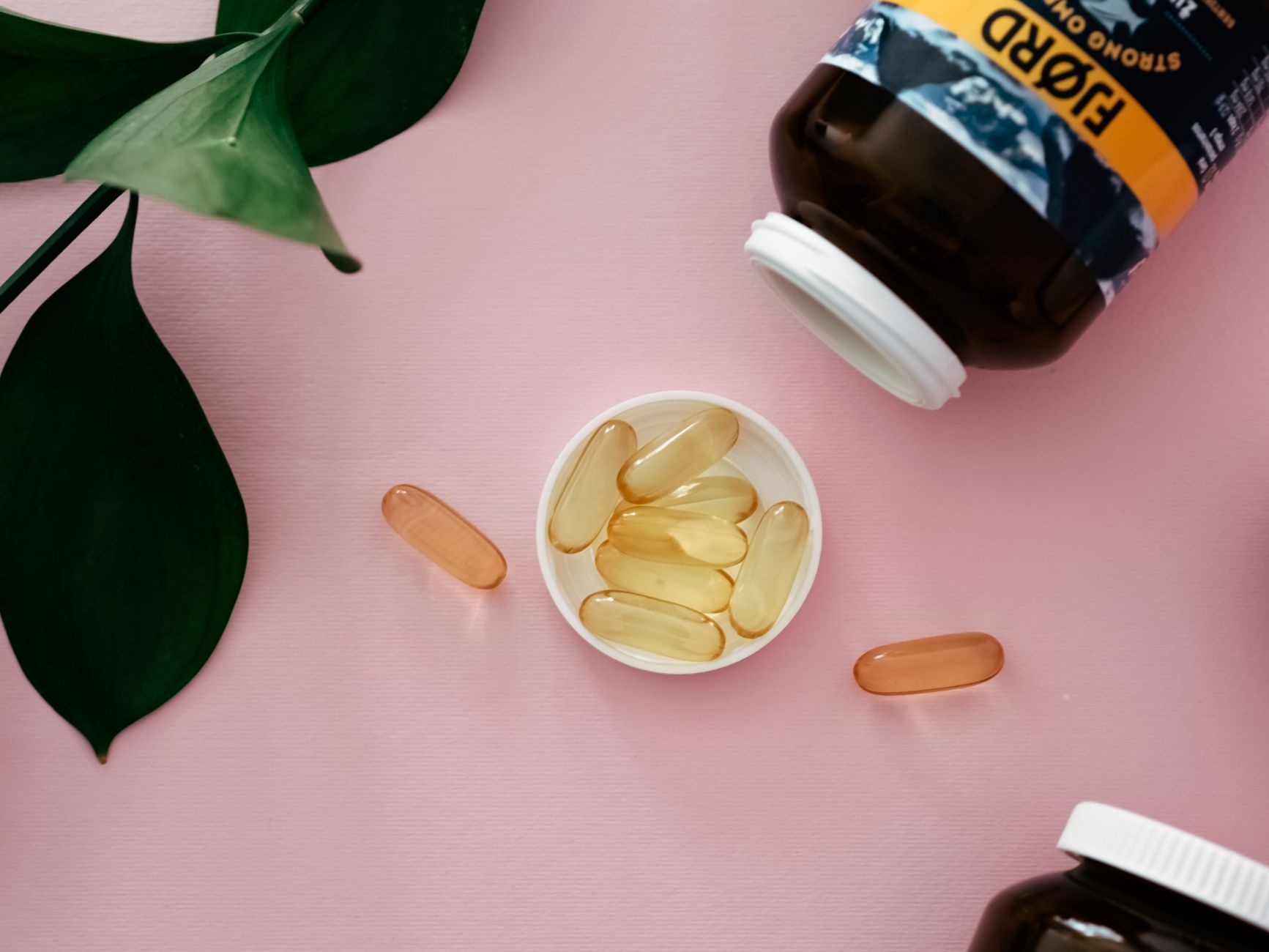
Some nutrients, such as magnesium, omega-3 fatty acids, and chromium, may help support hormone balance and insulin function. Always consult a healthcare provider before adding new supplements.
Reversibility and hope
The good news is that hormonal imbalances and insulin resistance often can be reversed through consistent lifestyle changes. Your body can restore its balance, leading to better energy, mood, and metabolic health.
Final thoughts
Understanding how hormones affect insulin resistance gives you the power to make natural, healthy changes. Focus on nourishing your body, managing stress, and supporting hormonal harmony. Small, steady steps can lead to meaningful improvements over time.

0 Comments