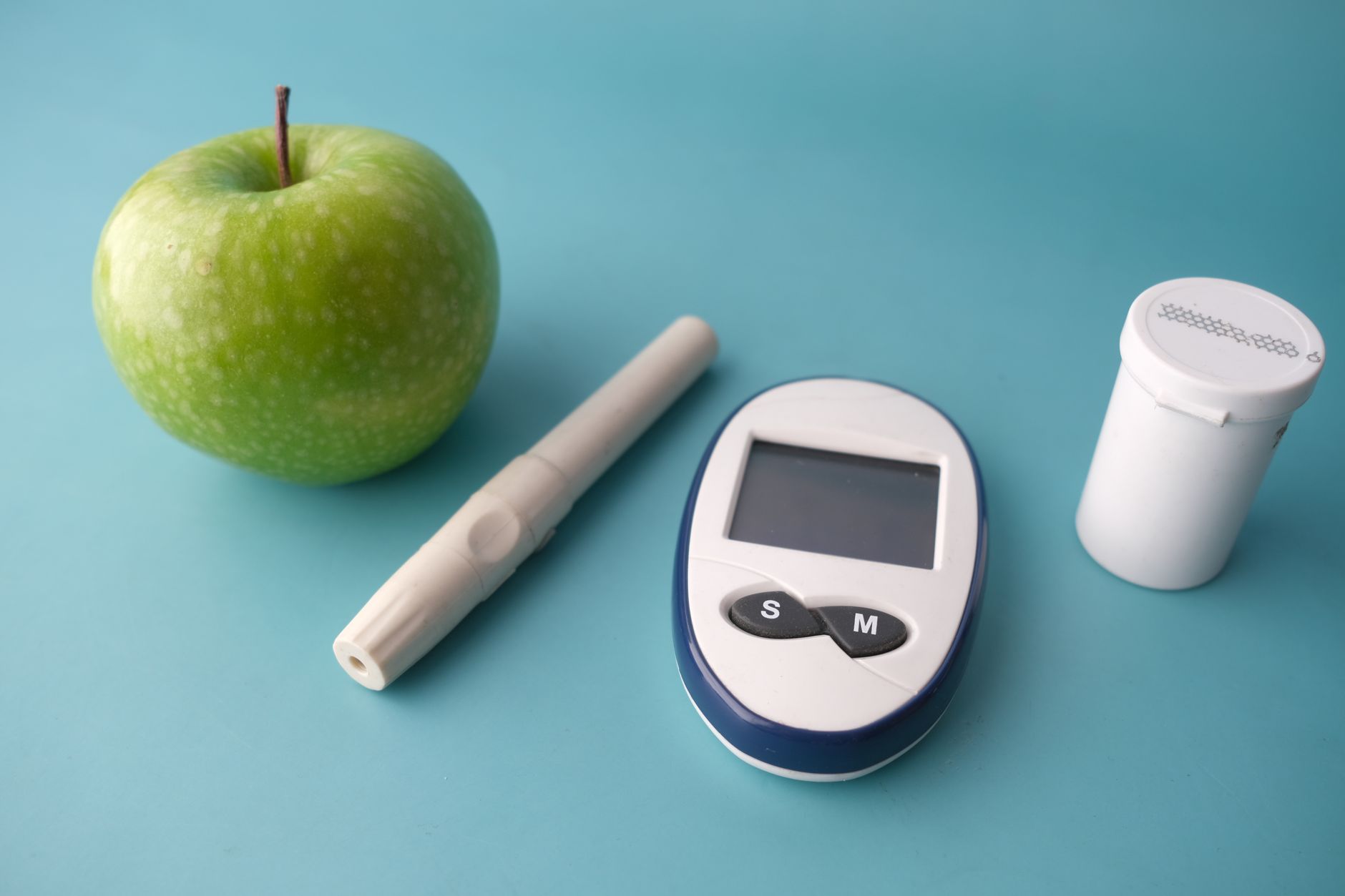
Understanding insulin resistance
Insulin resistance happens when your body's cells don't respond well to insulin, the hormone that controls blood sugar. Over time, this can lead to higher blood sugar levels and type 2 diabetes. The good news is that insulin resistance can often be reversed with changes in lifestyle and nutrients.
How lifestyle changes help reduce insulin resistance
1. Improve your diet
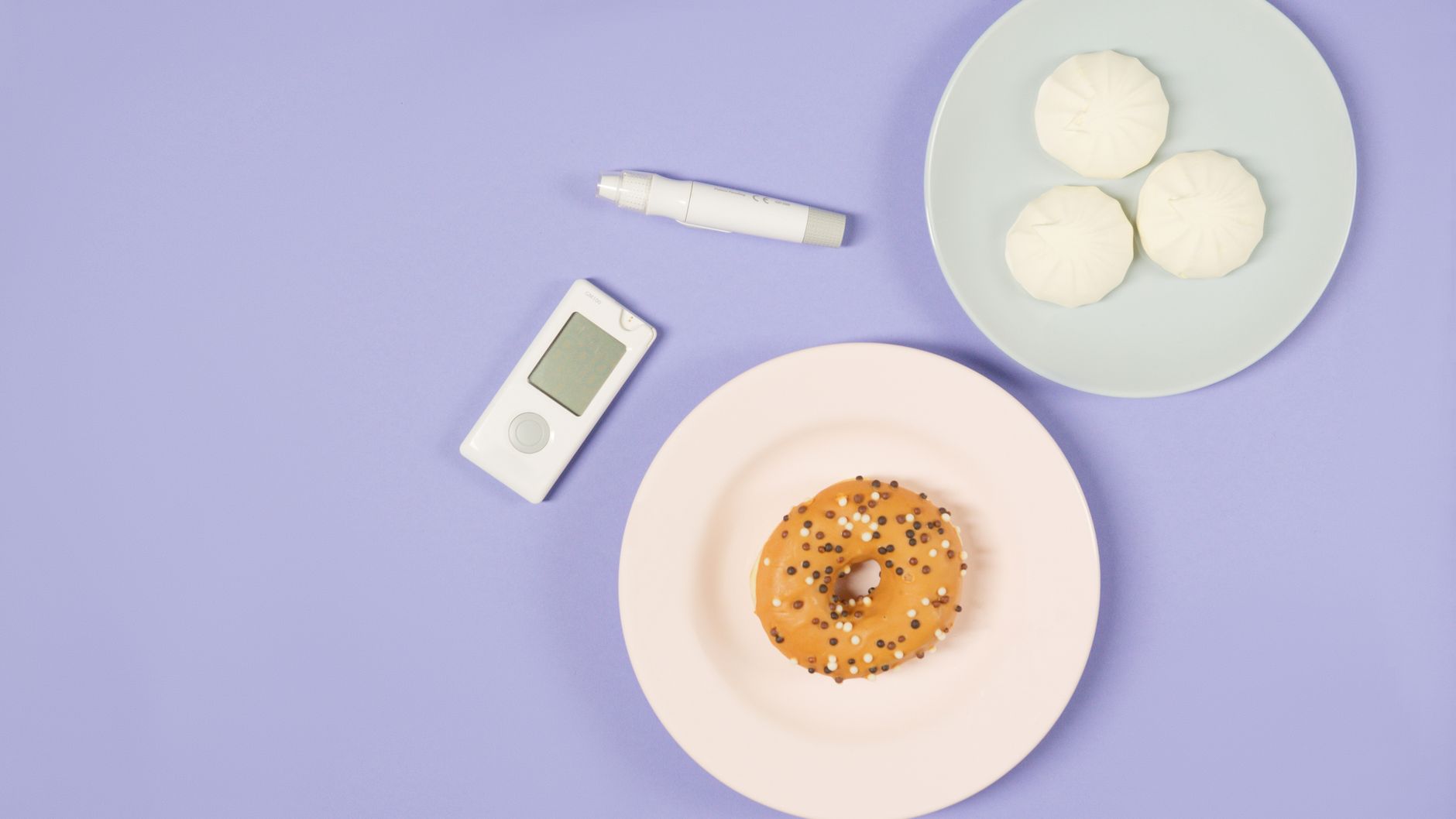
A balanced diet with plenty of whole foods, fiber, and healthy fats can help your body respond to insulin better. Focus on vegetables, fruits, lean proteins, and whole grains. Cutting back on processed foods and added sugars can prevent blood sugar spikes and reduce the strain on insulin.
2. Increase physical activity
Regular exercise, like aerobic workouts and resistance training, helps your body use insulin more effectively. Even a brisk 30-minute walk most days can make a difference.
3. Maintain a healthy weight
Carrying extra weight, especially around the belly, can worsen insulin resistance. Losing a small amount of weight, around 5 to 10 percent, can improve how your body responds to insulin.
Nutrients and supplements that support insulin sensitivity
1. Magnesium
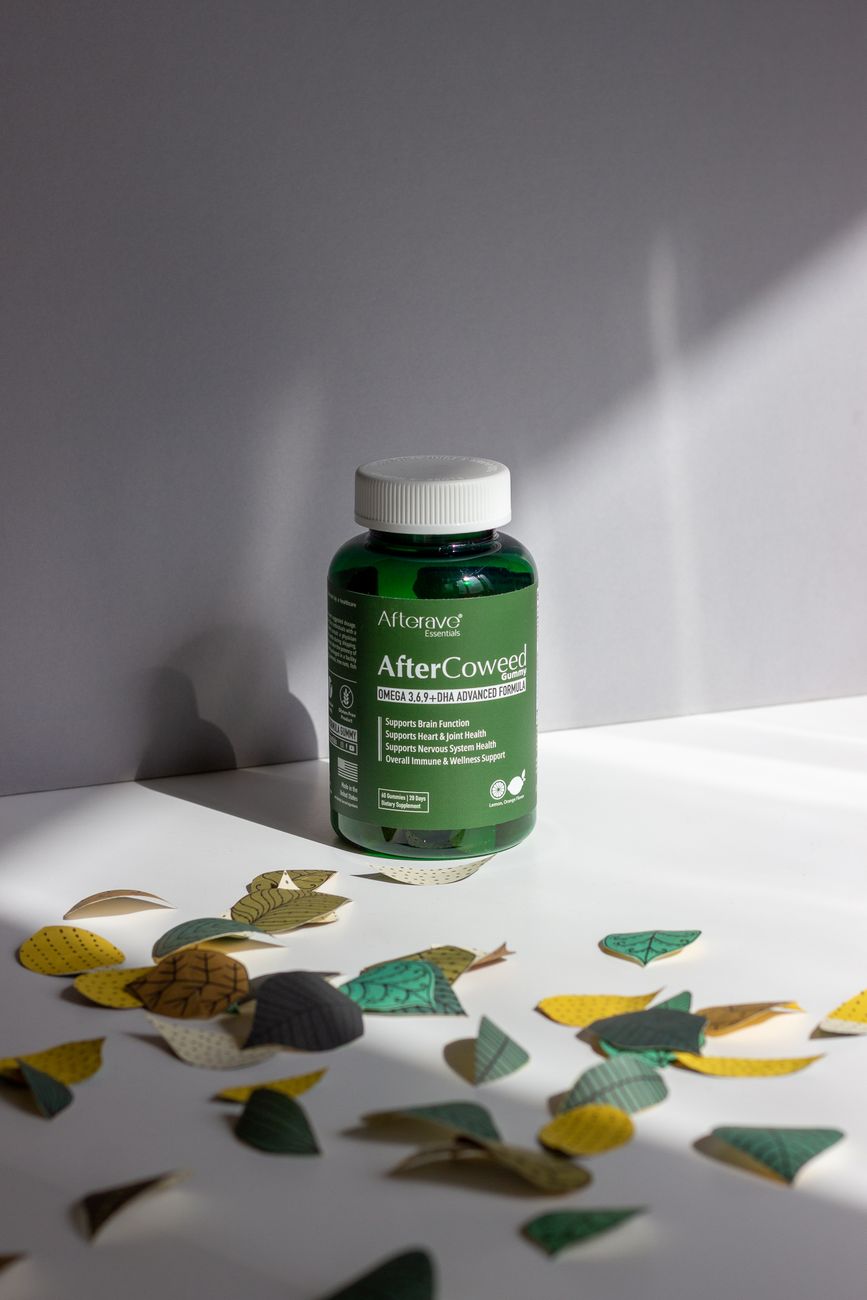
This mineral is important for how your body processes carbohydrates. Some research shows that magnesium supplements may help improve insulin sensitivity, especially if you're deficient. Check with your healthcare provider before taking supplements.
2. Chromium
Chromium can help boost insulin action. Although evidence varies, some people find it helpful for managing blood sugar.
3. Alpha-lipoic acid
This antioxidant might improve insulin sensitivity by lowering oxidative stress, which is linked to insulin resistance.
Other strategies to support insulin health
Getting enough sleep, managing stress, and avoiding smoking also play a role in how well insulin works. Chronic stress and lack of sleep raise cortisol levels, which can make insulin resistance worse.
Is it really reversible?
Yes, insulin resistance often improves or even reverses with steady lifestyle changes and proper nutrition. Building habits that support metabolic health can make a real difference.
Conclusion
Controlling insulin resistance is possible. Focus on eating well, staying active, managing your weight, and supporting your body with key nutrients. Small, consistent steps lead to better health over time.
FAQs
- Q: Can I completely reverse insulin resistance?
A: Many people see meaningful improvements through lifestyle changes, but results vary. Talking to a healthcare provider helps set realistic goals. - Q: Are supplements necessary?
A: Supplements can help, but they should complement a healthy lifestyle, not replace it. Always discuss supplement use with your doctor. - Q: How long before I see progress?
A: Some notice changes in a few weeks, but lasting improvements usually take several months of consistent effort.
0 Comments