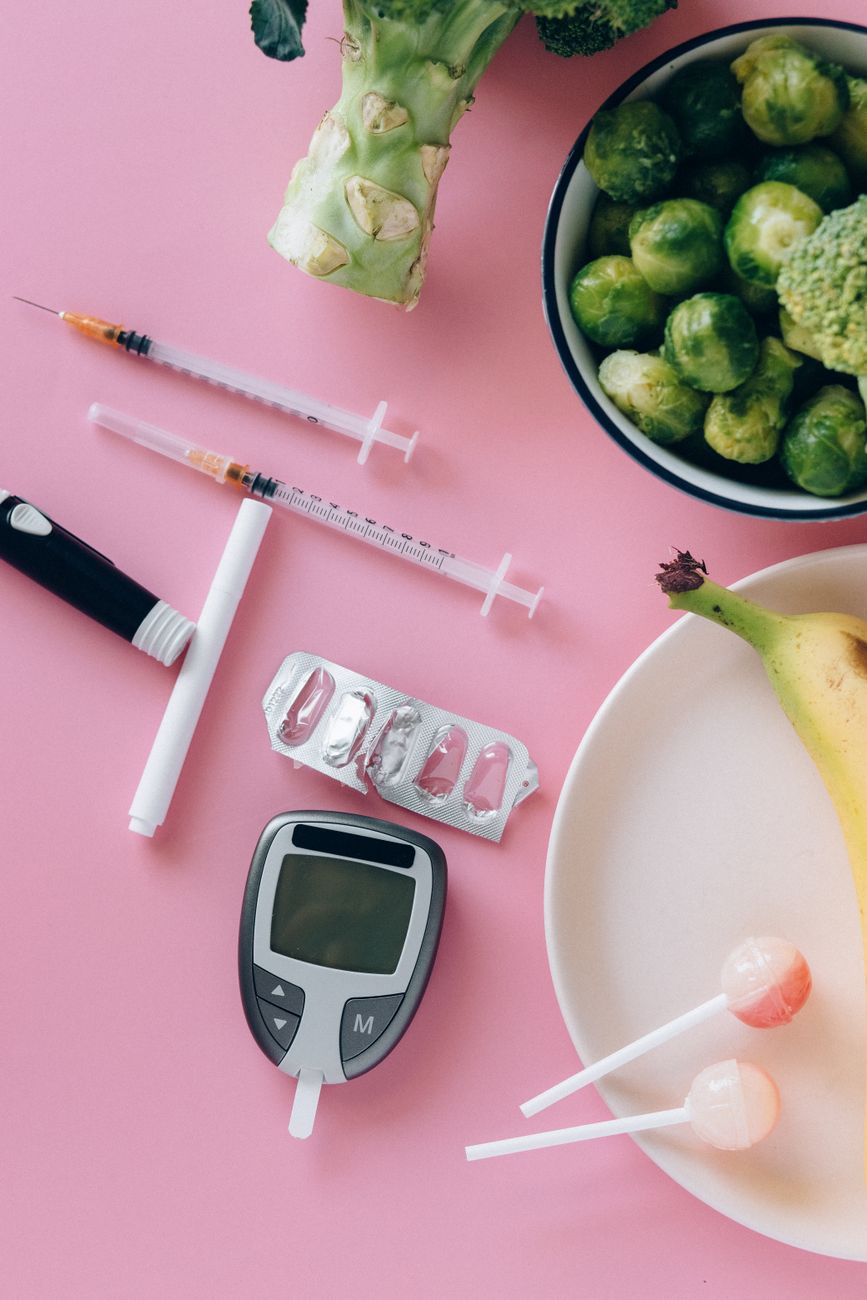
Chronic inflammation significantly contributes to insulin resistance, but making targeted lifestyle changes can help reduce inflammation and improve insulin sensitivity. Understanding how inflammation affects your metabolic health empowers you to take control and prevent or reverse insulin resistance naturally.
How does inflammation cause insulin resistance?
Inflammation is your body's response to injury or infection, but when it becomes persistent, it can interfere with insulin signaling. This disruption prevents your cells from efficiently absorbing glucose, leading to higher blood sugar levels and increased insulin production. Over time, this can develop into type 2 diabetes.
What is the science behind inflammation's role in insulin resistance?
Research from the National Heart, Lung, and Blood Institute shows elevated levels of inflammatory markers like cytokines are common in insulin-resistant individuals. These molecules impair insulin receptor function and hinder glucose uptake, perpetuating a cycle of inflammation and metabolic dysfunction.
Additionally, factors such as excess visceral fat, poor diet, lack of exercise, and chronic stress elevate inflammation, further aggravating insulin resistance. Addressing these factors can break this cycle and restore metabolic health.
How do I reduce inflammation and improve insulin sensitivity naturally?
Fortunately, inflammation can be managed through lifestyle and dietary choices. Implementing these steps can help lower inflammation and boost your body's response to insulin:
- Follow an anti-inflammatory diet: Focus on whole foods like vegetables, fruits, nuts, seeds, and whole grains. Incorporate healthy fats from olive oil, avocados, and omega-3-rich fatty fish. Limit processed foods, sugary drinks, and refined carbs.
- Exercise regularly: Aim for at least 150 minutes of moderate activity weekly. Exercise reduces visceral fat and improves circulation, both of which decrease inflammation.
- Manage stress and improve sleep quality: Chronic stress elevates inflammation hormones. Practice meditation, deep breathing, and prioritize restful sleep to keep inflammation in check.
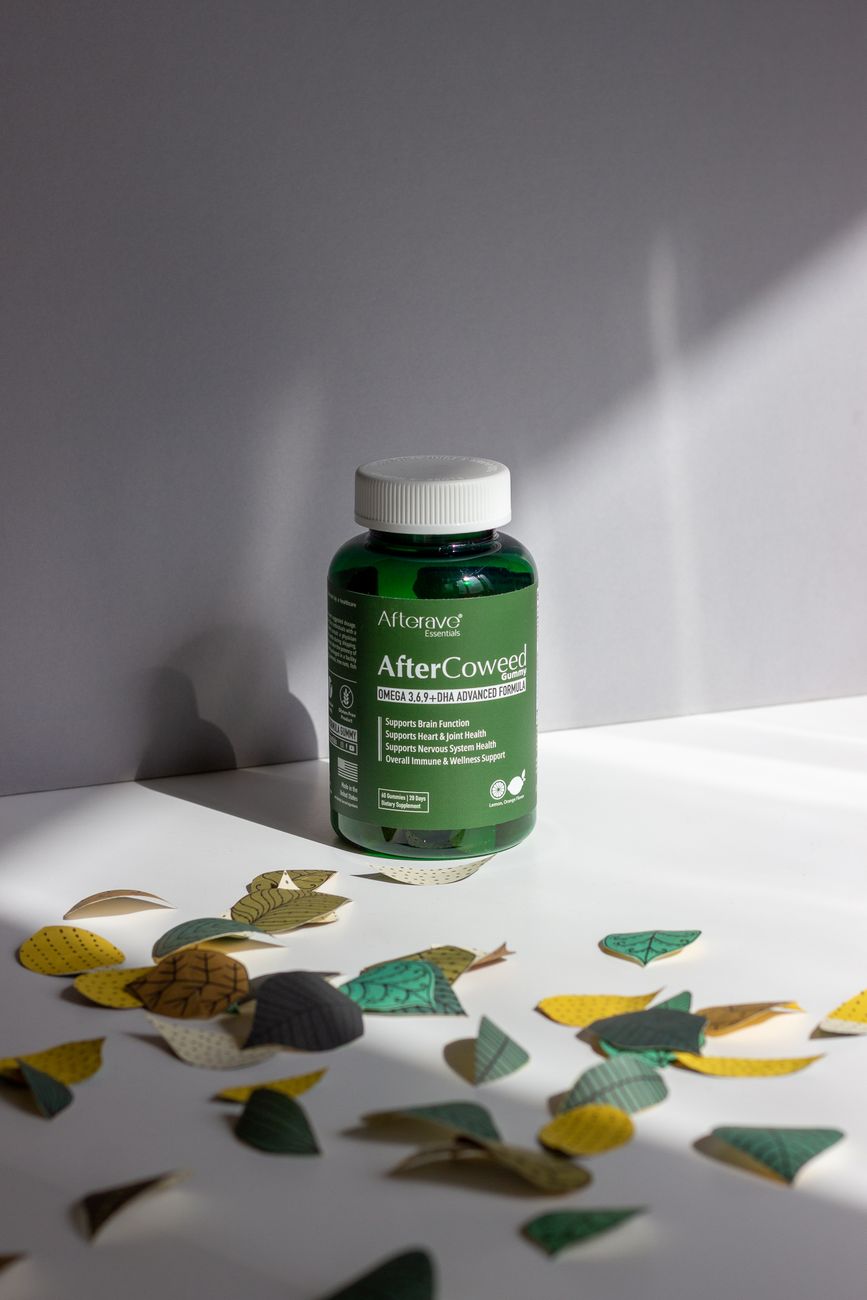
- Incorporate supplements and nutrients: Consider omega-3s, turmeric (curcumin), and antioxidants like vitamins C and E, which have anti-inflammatory properties. Always consult a healthcare provider before starting new supplements.
What are the key differences between inflammatory and non-inflammatory lifestyle choices?
| Inflammatory Lifestyle | Anti-inflammatory Lifestyle |
|---|---|
| High processed foods, sugary drinks | Whole, minimally processed foods |
| Sedentary behavior, minimal exercise | Regular physical activity |
| Chronic stress, poor sleep | Stress management, quality sleep |
| Excess visceral fat | Healthy weight, reduced visceral fat |
How can I implement these changes step-by-step?
Follow this 4-step plan to reduce inflammation and boost insulin sensitivity:
- Assess your current lifestyle: Identify sources of inflammation such as diet, activity level, and stress.
- Create a personalized plan: Incorporate anti-inflammatory foods, exercise routines, stress management, and supplements as needed.
- Track your progress: Use a journal or app to monitor diet, activity, and symptoms.
- Adjust and maintain: Refine your habits based on results and continue building healthy routines.
Can I compare the effects of different lifestyle choices on inflammation?
| Behavior | Impact on Inflammation |
|---|---|
| Eating processed foods | Increases inflammatory markers |
| Regular exercise | Reduces inflammation and improves insulin sensitivity |
| Chronic stress | Elevates inflammation hormones, worsens insulin resistance |
| Getting quality sleep | Reduces inflammation, supports metabolic health |
What related articles can I explore to deepen my understanding?
- How Physical Activity Benefits Metabolic Health
- Nutrition Strategies for Insulin Control
- Stress Management for Blood Sugar Regulation
Conclusion
Chronic inflammation is a hidden driver of insulin resistance, but through mindful dietary choices, regular exercise, stress management, and supplements, you can significantly reduce inflammation and improve your metabolic health. Small, consistent steps lead to meaningful, lasting change in reversing insulin resistance naturally.


0 Comments