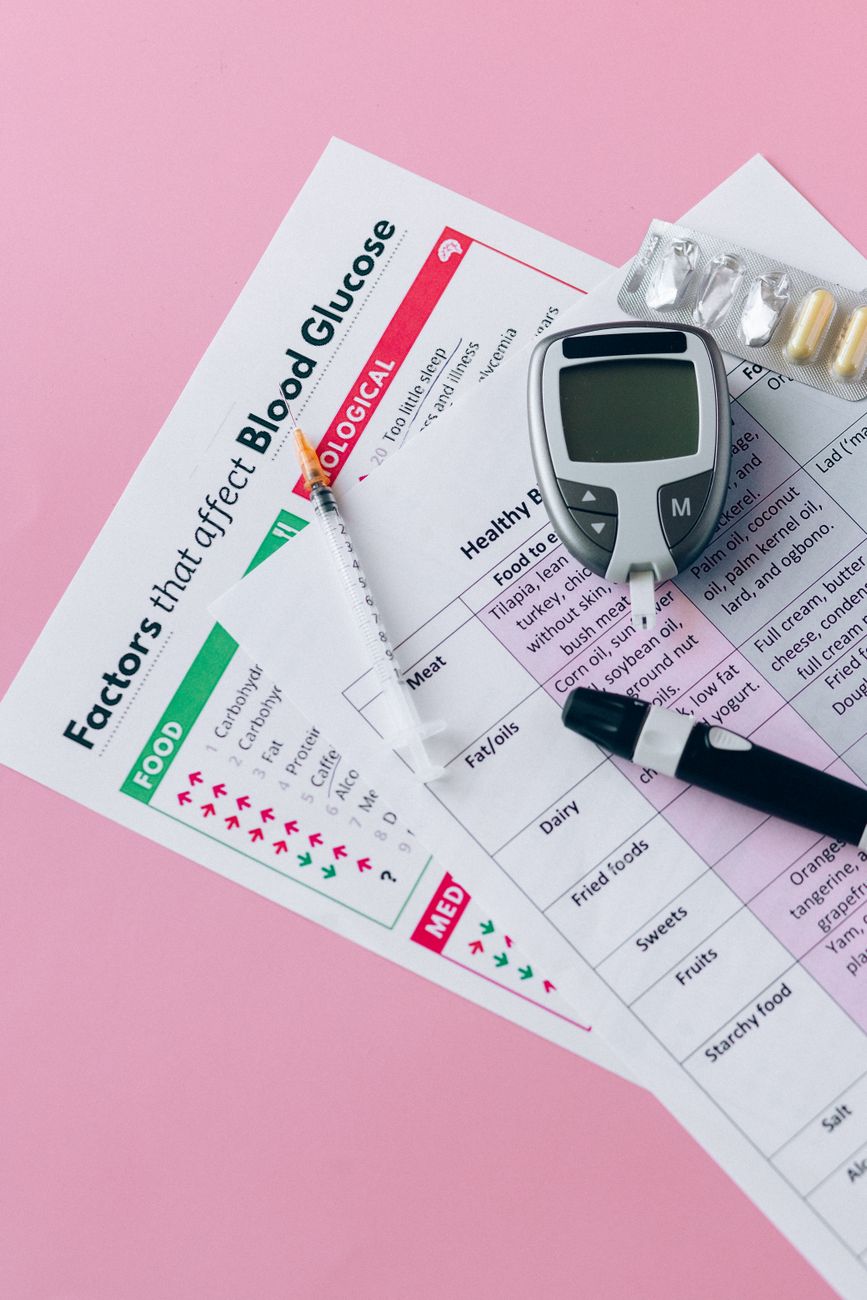
Insulin resistance hampers your body's ability to regulate blood sugar, disrupting metabolism and making weight management and energy levels more challenging. Addressing it through lifestyle changes can improve your health significantly.
Understanding insulin resistance and its impact on your metabolism

Insulin resistance occurs when your body's cells become less responsive to insulin, a hormone that helps regulate blood sugar. When this happens, your body needs more insulin to keep blood sugar levels stable. Over time, this can interfere with your metabolism, making it harder to burn fat, control weight, and maintain energy.
What is insulin resistance and why does it matter?
Insulin acts like a key, opening your cells to let glucose in for energy. When cells resist this process, glucose accumulates in your blood, prompting your pancreas to produce more insulin. Persistent resistance can lead to high blood sugar and type 2 diabetes. According to the American Heart Association, insulin resistance is a root cause of obesity, high blood pressure, and abnormal lipid levels.
How does insulin resistance disrupt your metabolism?
Think of your metabolism as a busy city with traffic flow. Insulin is the traffic cop directing glucose into cells. When resistance occurs, traffic jams form, and fuel isn't used efficiently. This results in excess fat storage, increased hunger, and energy dips. Consequently, your body becomes less effective at burning fat, making weight loss more difficult or causing weight gain despite efforts.
Steps to improve insulin sensitivity
- Prioritize whole foods: Incorporate vegetables high in fiber, lean proteins, and healthy fats. These stabilize blood sugar and enhance insulin response.
- Stay physically active: Engage in regular exercise, including both strength training and cardio, to improve muscle insulin sensitivity.
- Manage your weight: Losing even 5-10% of body weight can significantly boost insulin sensitivity and metabolic health.
- Ensure quality sleep: Adequate rest supports hormone balance and optimal insulin function.
- Consider targeted nutrients: Magnesium, chromium, and omega-3 fatty acids may support insulin health. Consult your healthcare provider before starting any supplements.
Can insulin resistance be reversed?
Yes. Many lifestyle modifications, like improved diet and increased activity, can reverse early insulin resistance. Consistency and early action are crucial for preventing progression to type 2 diabetes and related conditions.
Comparison table: Insulin Resistance vs. Normal Metabolism
| Feature | Normal Metabolism | Insulin Resistance |
|---|---|---|
| Cell response to insulin | Responsive | Less responsive |
| Blood sugar regulation | Efficient | Impaired |
| Insulin levels | Normal or low | Elevated |
| Risk of diabetes | Low | High |
Additional resources
For more tips on managing blood sugar and metabolic health, check out our related posts: Healthy Lifestyle Tips and Preventing Diabetes Naturally.
Conclusion
Understanding and addressing insulin resistance is vital for maintaining a healthy metabolism. Adopting a balanced diet, staying active, managing weight, and prioritizing sleep can reverse early signs and lead to better energy, weight control, and overall health.
Remember:
Always consult your healthcare provider for personalized advice. Small, consistent changes can lead to significant health improvements over time.



0 Comments