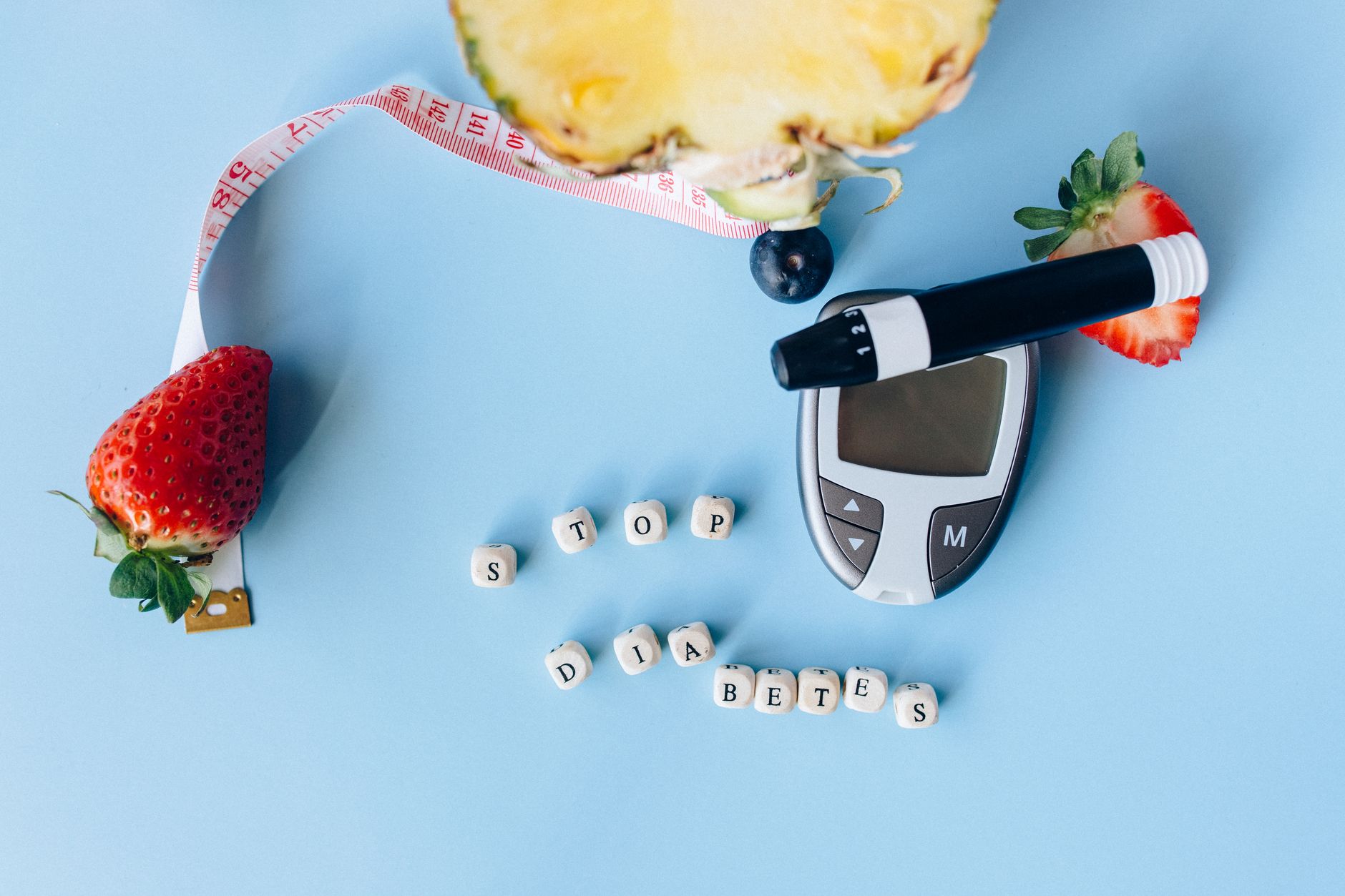
Understanding insulin resistance and metabolic syndrome
If you're dealing with insulin resistance or metabolic syndrome, you're not alone. These conditions relate to how your body handles blood sugar and fat, often leading to health issues like type 2 diabetes and heart disease. The good news is that both can often be improved with lifestyle changes and some targeted support.
What is insulin resistance and why does it matter?
Insulin resistance occurs when your body's cells become less responsive to insulin, the hormone that helps your cells absorb glucose for energy. When this happens, your body needs more insulin to keep blood sugar stable. Over time, high insulin and blood sugar levels can cause damage and increase the risk of metabolic syndrome, which includes high blood pressure, extra abdominal fat, and abnormal cholesterol levels.
How to improve insulin sensitivity
1. Eat whole, minimally processed foods
A diet rich in vegetables, fruits, lean proteins, whole grains, and healthy fats can help stabilize blood sugar and support insulin function. Think of your diet as providing your body with the building blocks for good health.
2. Stay active regularly
Consistent exercise, combining aerobic and resistance training, helps your muscles use insulin more effectively. Aim for about 150 minutes of moderate activity each week, like brisk walking or cycling.
3. Manage your weight
Reducing excess belly fat can significantly boost insulin sensitivity. Even losing 5-10% of your weight can make a noticeable difference.
4. Improve sleep and reduce stress
Poor sleep and chronic stress can worsen insulin resistance. Focus on good sleep habits and try stress reduction techniques such as meditation or deep breathing exercises.
Supporting nutrients and supplements
Some nutrients may help your body improve insulin function. Magnesium, omega-3 fatty acids, and chromium have shown potential in supporting metabolic health. Remember, these are meant to complement lifestyle changes, not replace them. Always talk with a healthcare provider before starting new supplements.
Can insulin resistance and metabolic syndrome be reversed?
While genetics play a role, research indicates that these conditions are mostly reversible through consistent lifestyle adjustments. Patience and ongoing effort are important. Small steps add up over time to better health.
Encouragement and hope
Many people have successfully reversed these conditions and taken control of their health. The process requires commitment, but the benefits—more energy, improved mood, and lower disease risk—are worth the effort.
Summary
Reversing insulin resistance and metabolic syndrome is possible with a combination of healthy eating, regular activity, stress management, and supportive nutrients. Your daily choices matter, and you have the power to improve your health.
Frequently Asked Questions
- Q: How quickly can I see progress?
- A: Blood sugar levels may improve within weeks, but lasting change takes consistent effort over time.
- Q: Can supplements replace lifestyle changes?
- A: No, supplements should support healthy habits, not replace them.
- Q: Is medication needed?
- A: Sometimes medication is part of treatment, but lifestyle changes are essential for reversing these conditions and maintaining health.


0 Comments