Understanding insulin resistance and its impact
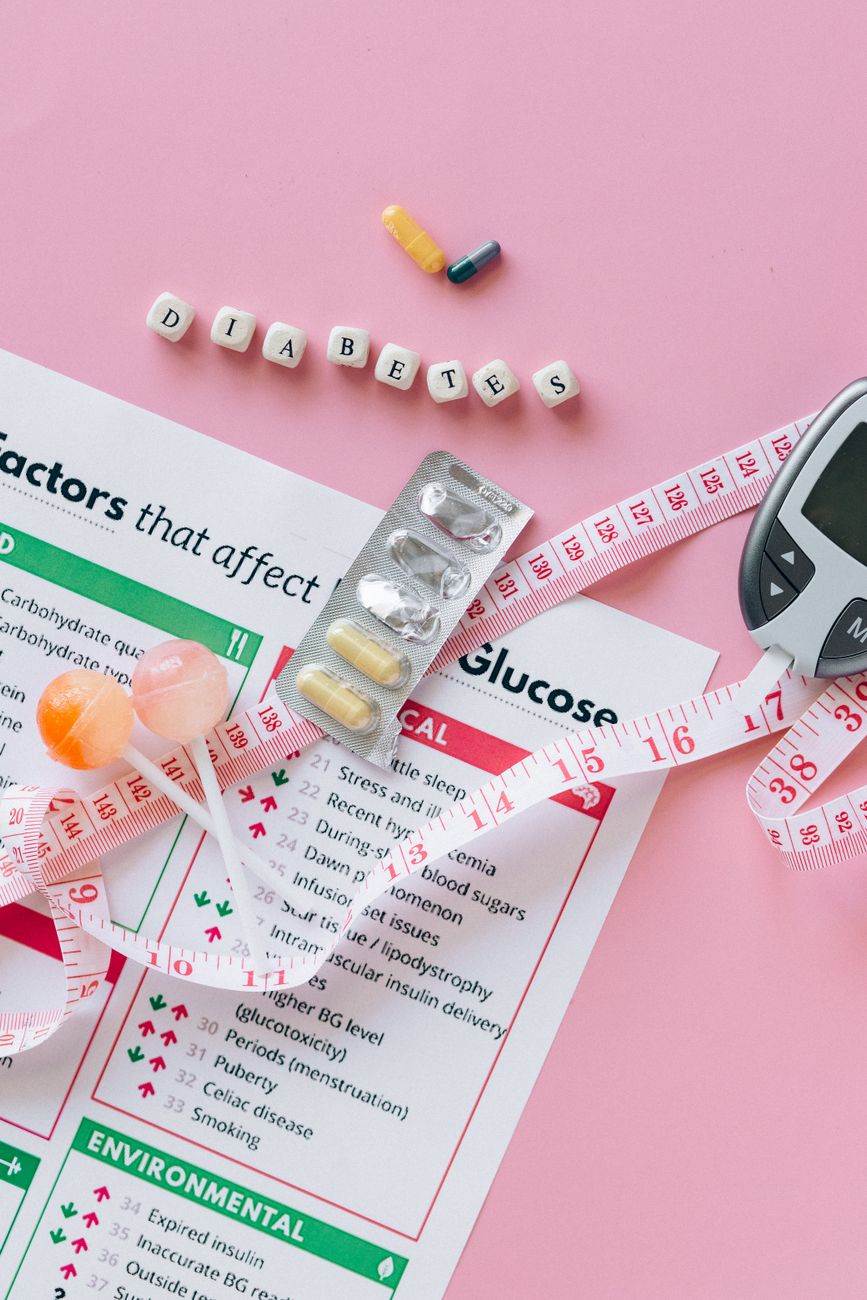
Insulin resistance happens when your body's cells don't respond well to insulin, the hormone that controls blood sugar. Over time, this can lead to higher blood sugar, type 2 diabetes, and other health problems.
The role of sleep in regulating blood sugar
Sleep isn't just about resting; it's essential for how your body manages blood sugar. Good sleep helps keep hormones balanced, reduces inflammation, and supports metabolic health.
How poor sleep contributes to insulin resistance
Chronic lack of sleep or poor sleep quality can mess with hormones like insulin and cortisol that regulate hunger and blood sugar. This imbalance can raise blood sugar levels and lead to insulin resistance.
Why quality sleep helps reverse insulin resistance
Restful sleep improves your body's sensitivity to insulin, helping cells respond better and keeping blood sugar stable. It also lowers inflammation, which is linked to insulin resistance.
Tips for better sleep and metabolic health
- Stick to a regular sleep schedule
- Create a calming bedtime routine
- Limit screen time before bed
- Avoid caffeine and heavy meals late in the day
- Keep your sleep environment cool, dark, and quiet
Supplements and nutrients that may support sleep and metabolic health
Nutrients like magnesium, melatonin, and certain herbal teas are studied for their role in promoting sleep. While they aren't cures, they can help improve sleep quality.
Hope and empowerment: reversing insulin resistance starts with sleep
Good sleep is something you can control. Making sleep a priority can improve how your body responds to insulin and your overall health. Small, consistent changes add up over time.


0 Comments