
Introduction
Fats are part of your diet, but not all fats affect your insulin sensitivity and metabolic health the same way. This article explains how different fats influence your body's ability to process sugar and stay balanced energy-wise.
The science of fats and insulin sensitivity
Insulin sensitivity shows how well your body uses insulin to lower blood sugar. When it’s poor, or insulin resistance, it can lead to type 2 diabetes and other issues. The fats you eat impact this because they affect cell membranes, inflammation, and fat storage, all of which are involved in how insulin works.
Types of dietary fats and their effects
Saturated fats
Found in animal products like butter, cheese, and red meat, saturated fats have been linked to more inflammation and lower insulin sensitivity in some studies. But the evidence isn’t clear-cut; recent research suggests moderate intake might not be as harmful, especially if your diet is balanced.
Trans fats
Artificial trans fats, common in processed foods and baked goods, are strongly tied to inflammation and insulin resistance. Most health authorities advise avoiding trans fats entirely.
Monounsaturated fats
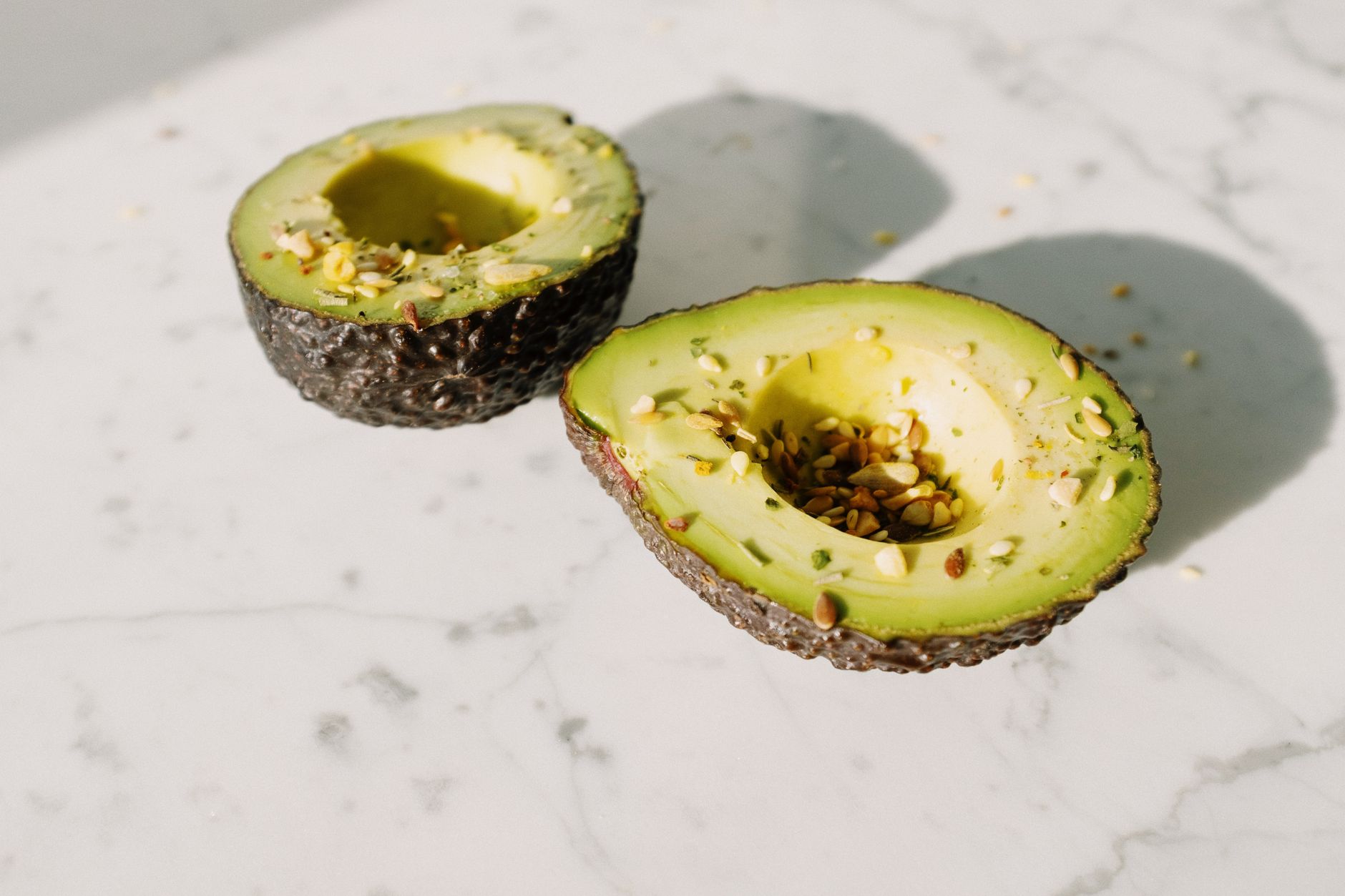
Present in olive oil, avocados, and nuts, these fats are generally good for you. They can improve insulin sensitivity and reduce inflammation, helping your metabolism stay healthier.
Polyunsaturated fats
Including omega-3 and omega-6 fatty acids, these fats are essential because your body can't produce them. Omega-3s, found in fatty fish like salmon, have anti-inflammatory effects and may boost insulin sensitivity. Omega-6s, in vegetable oils, should be balanced with omega-3s to avoid increasing inflammation.
Balancing fats for better metabolic health
The goal is to pick healthy fats and keep your intake balanced. Focus on monounsaturated and omega-3-rich polyunsaturated fats, while limiting saturated fats and steering clear of trans fats. Foods like olive oil, fatty fish, nuts, and seeds fit well into this approach.
Supplements and nutrients that support fats and insulin sensitivity
Some nutrients, such as omega-3s (from fish oil), magnesium, and antioxidants like vitamin E, may help your body manage fats better and improve insulin sensitivity. But supplements should complement a healthy diet, not replace it.
Hope and reversibility
The good news is that insulin resistance and metabolic issues can often be reversed through changes in diet, exercise, and weight control. Improving the quality and amount of fats you eat can make a real difference in how your body handles sugar and energy.
Conclusion
Choosing the right fats matters for maintaining good insulin sensitivity and overall metabolic health. Incorporate healthy fats and cut back on harmful ones to support your body's natural balance.
FAQs
- Q: Are all saturated fats bad for insulin sensitivity?
A: Not necessarily. Recent studies suggest that moderate saturated fat intake within a balanced diet might not harm insulin sensitivity for most people. - Q: Should I avoid all trans fats?
A: Yes. Trans fats are linked to inflammation and insulin resistance, and many countries limit their use. - Q: Can omega-3 supplements improve insulin sensitivity?
A: They might support overall health and reduce inflammation, which can help insulin sensitivity, but check with your healthcare provider first.
Sources
- National Heart, Lung, and Blood Institute (NHLBI): https://www.nhlbi.nih.gov
- American Diabetes Association (ADA): https://www.diabetes.org
- Cleveland Clinic — Fats and Your Heart: https://my.clevelandclinic.org



0 Comments