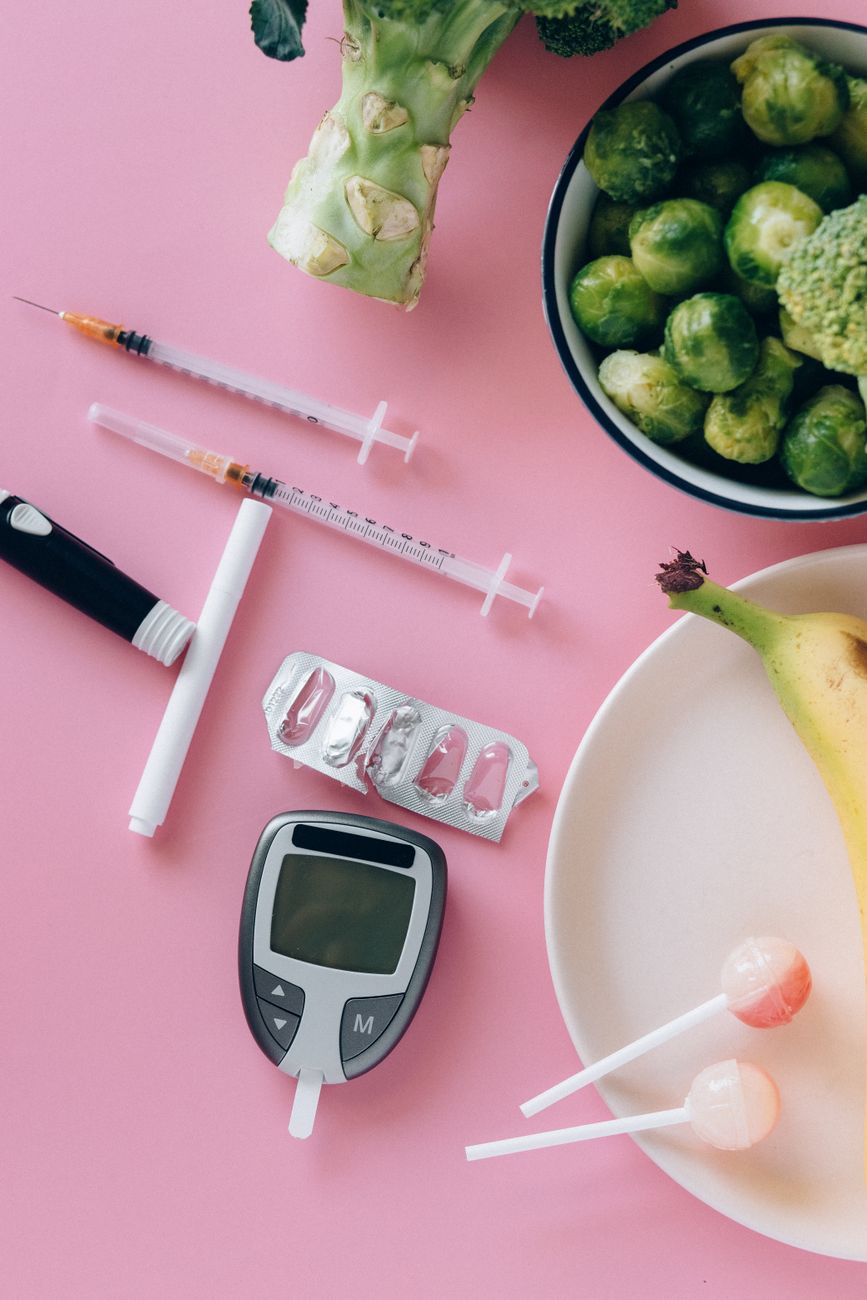
Understanding insulin resistance: the hidden culprit
Many people don’t realize it, but insulin resistance plays a role in several health issues, like stubborn belly fat, fatty liver, and type 2 diabetes. It happens when your body's cells stop responding well to insulin, causing a chain reaction of metabolic problems. The good news is that insulin resistance can often be reversed with lifestyle changes, making it an important focus for improving your health.
What is insulin resistance?
Insulin is a hormone that helps your body use sugar (glucose) for energy. When you eat, blood sugar rises, and insulin helps move that sugar into your cells. In insulin resistance, your cells don’t respond to insulin as they should. This means your body needs more insulin to get the same effect. Over time, this leads to high insulin levels, or hyperinsulinemia, which promotes fat storage and other metabolic issues.
The link to belly fat and fatty liver
Insulin resistance often causes fat to build up around your stomach, known as visceral fat. This type of fat is associated with higher risks of heart disease, diabetes, and other health problems. It can also lead to fat accumulation in the liver, resulting in fatty liver disease, which can develop quietly but cause liver damage over time.
Think of insulin resistance as a traffic jam inside your body. When cells ignore insulin signals, sugar and fat aren’t used or stored properly. Instead, they gather in areas like your belly and liver, leading to inflammation and damage.
How to spot and manage insulin resistance
Signs include a larger belly, fatigue, hunger after meals, and high blood sugar. The good news is that small, steady changes can improve how your body responds to insulin:
- Eat a balanced diet with plenty of fiber, healthy fats, and lean proteins.
- Reduce processed foods and sugary drinks.
- Stay active regularly, including resistance and aerobic exercises.
- Maintain a healthy weight, especially focusing on losing belly fat.
Some nutrients like magnesium, omega-3 fatty acids, and certain plant compounds may help support insulin function, but check with your healthcare provider before adding supplements.
Reversing insulin resistance and finding hope
The positive news? Insulin resistance isn’t a permanent condition. With targeted lifestyle changes, you can improve your body's response to insulin, reduce belly fat, and support your liver health. Think of it as rebooting your metabolic system — with patience, progress is within reach.
Conclusion
Understanding insulin resistance is key to managing many common health problems. By recognizing its role and making meaningful lifestyle adjustments, you can take control of your health and even reverse some effects. Small steps today can lead to better health tomorrow.




0 Comments