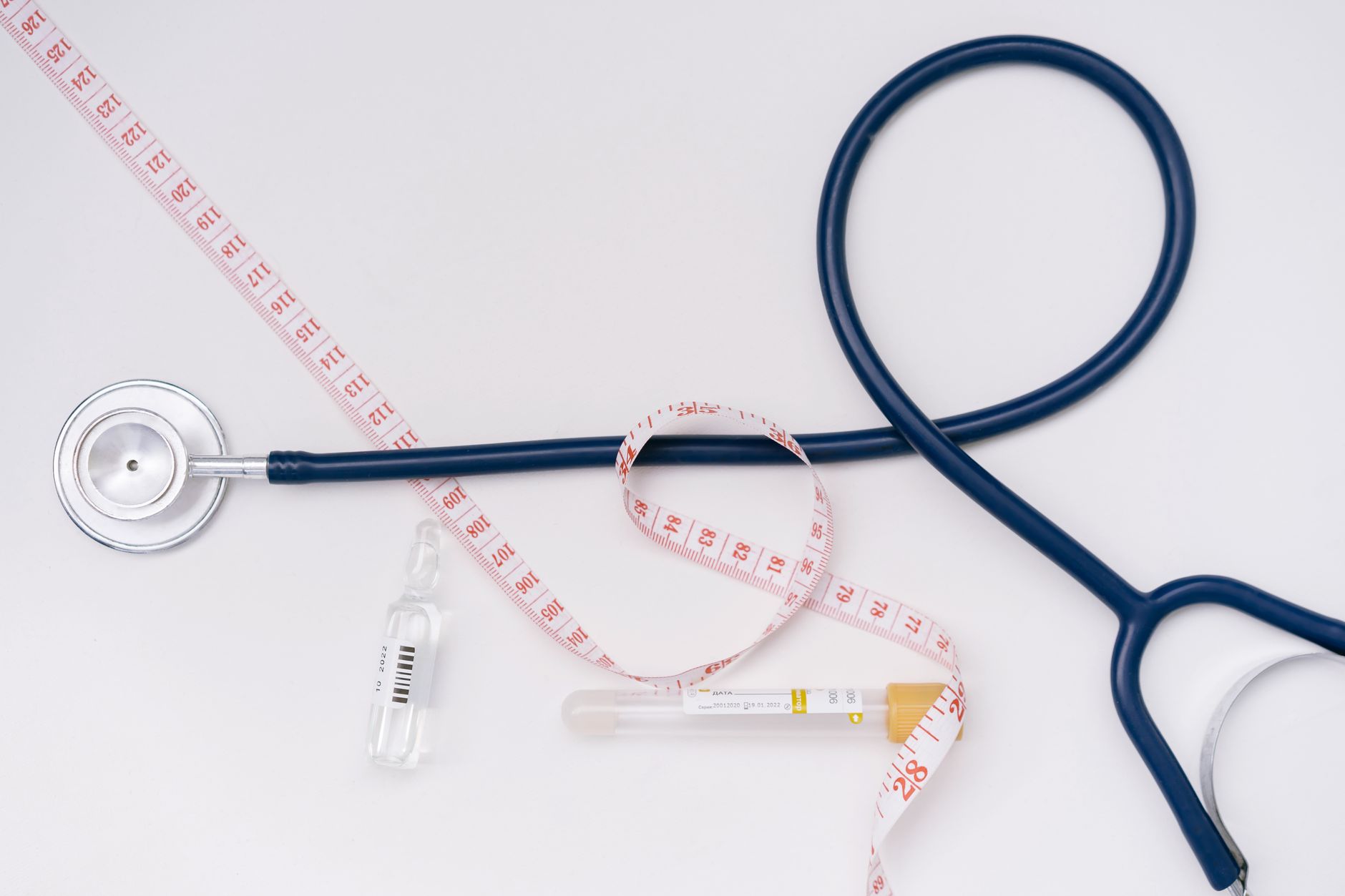
Fatty liver disease and insulin resistance are closely linked metabolic conditions that often develop together. Understanding how they connect can help you make informed lifestyle changes to improve your health and potentially reverse early signs.
What is fatty liver disease?
Fatty liver disease, or hepatic steatosis, occurs when excess fat accumulates in liver cells. It often causes no symptoms initially but can progress to inflammation and scarring, known as non-alcoholic steatohepatitis (NASH). Risk factors include obesity, poor diet, and metabolic disorders.
What is insulin resistance?
Insulin resistance happens when your body's cells don't respond properly to insulin, the hormone that regulates blood sugar. As a result, your body produces more insulin to maintain normal blood sugar levels. Over time, this can lead to type 2 diabetes, heart disease, and other health issues.
How are fatty liver disease and insulin resistance connected?
Research shows these conditions often coexist, sharing roots in metabolic dysfunction. Excess liver fat triggers signals that promote inflammation and interfere with sugar and fat metabolism. This inflammation reduces insulin effectiveness, creating a vicious cycle that worsens both conditions.
Think of it as a traffic jam in your metabolism: overloaded liver fat signals confuse your body's insulin response, leading to resistance. As insulin resistance worsens, more fat deposits in the liver, fueling the cycle. Lifestyle changes are key to breaking this cycle.
Can fatty liver disease and insulin resistance be reversed?
Yes, early stages of both conditions are reversible. Adopting healthier eating habits, increasing physical activity, and losing weight can significantly reduce liver fat and improve insulin sensitivity. Some nutrients and supplements like omega-3s, vitamin E, and magnesium may help, but always consult your healthcare provider before use.
How to support your liver and insulin health: 6 step plan
- Eat a balanced diet rich in fiber, lean proteins, healthy fats, and vegetables.
- Limit intake of added sugars, refined carbs, and trans fats.
- Engage in at least 150 minutes of moderate exercise weekly, such as brisk walking or cycling.
- Maintain a healthy weight; even a 5-10% weight loss can improve liver and insulin health.
- Consider incorporating omega-3 fatty acids, vitamin E, and magnesium—after consulting your doctor.
- Regularly monitor liver health and blood sugar levels with your healthcare provider.
Comparison of fatty liver and insulin resistance
| Feature | Fatty Liver Disease | Insulin Resistance |
|---|---|---|
| Primary cause | Excess fat in liver cells | Reduced response of cells to insulin |
| Common symptoms | No early symptoms; possible fatigue or discomfort | Often no symptoms early; risk of high blood sugar |
| Progression | Can lead to NASH, cirrhosis | Can develop into type 2 diabetes |
| Linked health risks | Liver inflammation, scarring | Diabetes, cardiovascular disease |
Conclusion
The connection between fatty liver disease and insulin resistance highlights the importance of lifestyle intervention. Improving your diet, increasing physical activity, and maintaining a healthy weight can help reverse early signs and improve overall metabolic health. For personalized guidance, consult your healthcare provider.
TL;DR
Fatty liver and insulin resistance are interconnected. Lifestyle changes like diet and exercise can reverse both, boosting your overall health.
0 Comments