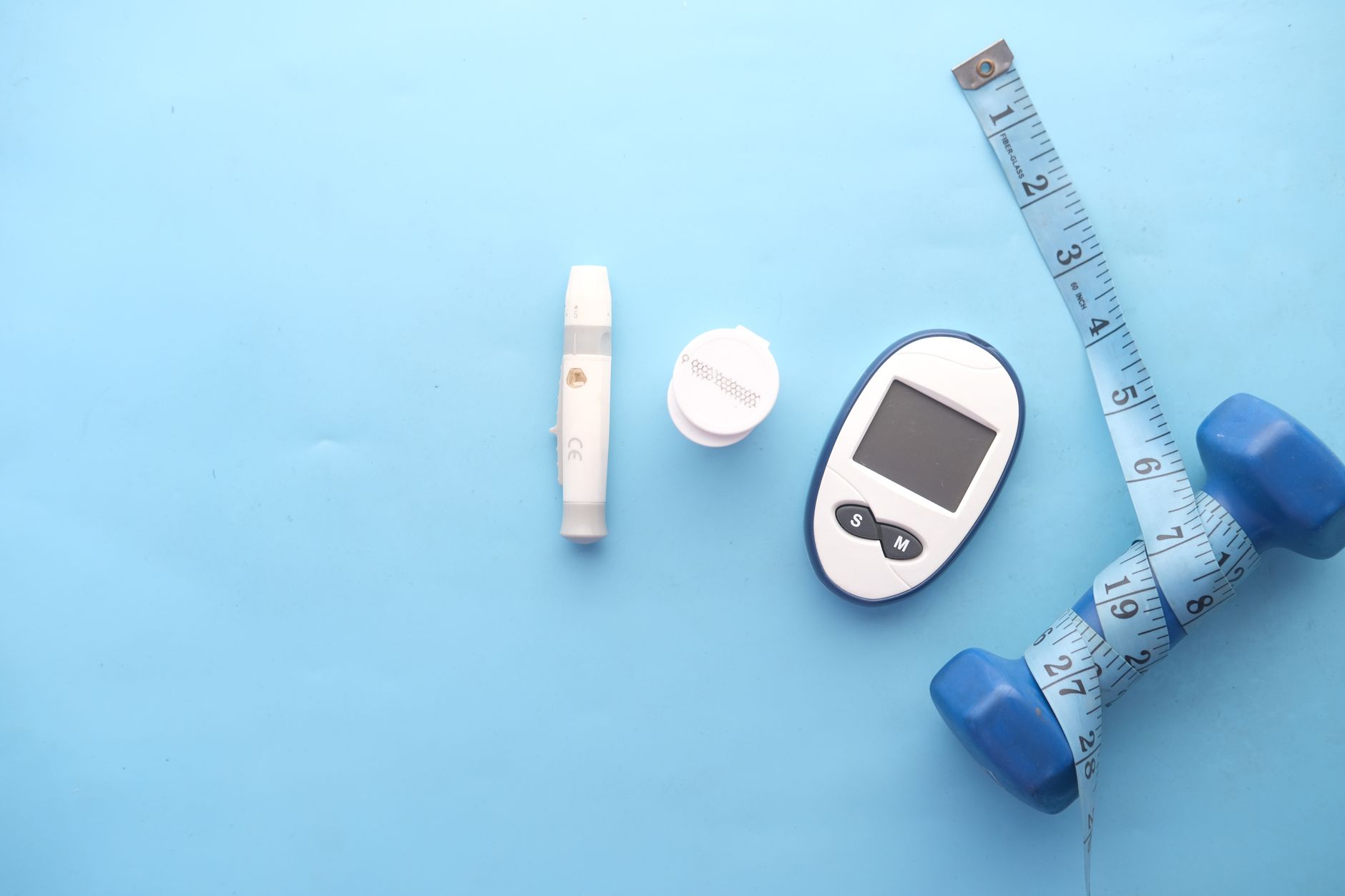
Understanding insulin resistance and its effect on weight
If your body has insulin resistance, your cells don't respond well to insulin. This causes higher blood sugar and insulin levels, making weight loss and fat management more difficult because insulin encourages fat storage and can increase hunger.
The cause: how insulin resistance impacts fat loss
Insulin resistance is like a traffic jam in your body's fuel system. When insulin stays high, your body tends to store more fat, especially around the belly. This creates a cycle that makes losing weight harder. Addressing insulin resistance is important for breaking this cycle and gaining better control over your weight.
Practical tips for weight and fat management
1. Choose low-glycemic, whole foods
Eat foods that don't cause blood sugar spikes. These include vegetables, lean proteins, nuts, seeds, and whole grains. Limit processed foods and sugary snacks that raise insulin levels.
2. Control carbohydrate portions
Instead of cutting carbs completely, eat moderate amounts of complex carbs like quinoa, sweet potatoes, and oats. Pair carbs with protein or healthy fats to slow digestion and reduce insulin response.
3. Stay active regularly
Exercise helps improve insulin sensitivity. Both aerobic activities like walking or cycling and resistance training are helpful. Aim for at least 150 minutes of moderate exercise each week.
4. Prioritize sleep and stress management
Chronic stress and poor sleep raise cortisol, which can worsen insulin resistance. Practice relaxation techniques, get 7-9 hours of quality sleep, and find ways to manage stress effectively.
Nutrients that support fat loss and insulin sensitivity
Certain nutrients may help improve insulin sensitivity and support fat loss, such as magnesium, omega-3 fatty acids, and herbs like cinnamon and berberine. Remember, supplements are meant to support your lifestyle, not replace it. Always talk to your healthcare provider before starting new supplements.
Reversible and manageable: taking charge of insulin resistance
Insulin resistance can often be reversed through consistent lifestyle changes. Improving your diet, staying active, and managing stress can lead to better blood sugar control and easier weight management. You're not alone in this—change is possible, and every step counts.
Wrapping up
Managing weight with insulin resistance means understanding your body's needs and building sustainable habits. Focus on nourishing yourself, staying active, and making mindful choices. With patience and effort, you can improve your health and enjoy a more balanced life.




0 Comments