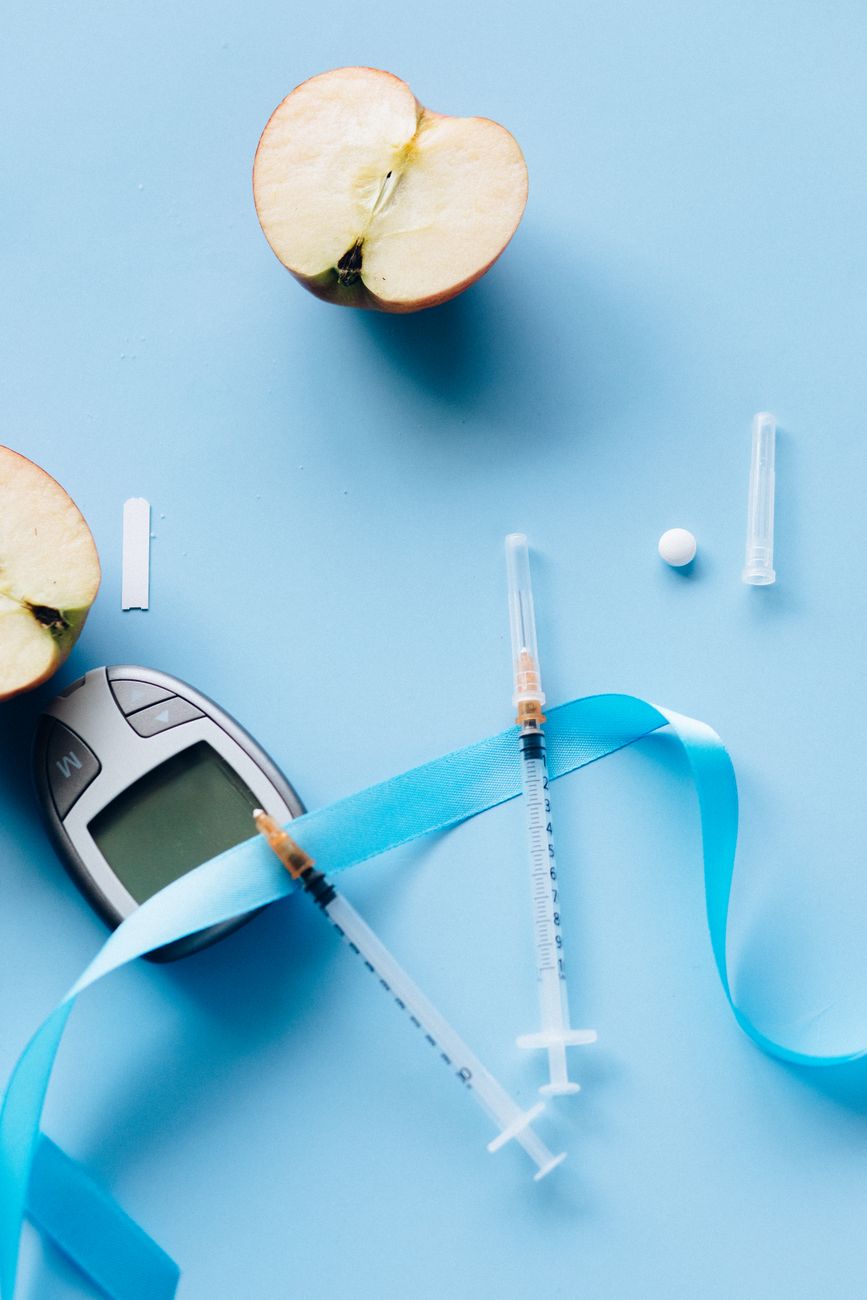
Understanding insulin resistance: the root of many modern ailments
Insulin resistance occurs when your body's cells stop responding well to insulin, a hormone that helps control blood sugar. When this happens, your body needs more insulin to keep blood sugar levels stable. Over time, this can lead to higher blood sugar and insulin levels, which may contribute to belly fat, fatty liver, and low energy.
The science simplified: why insulin resistance matters
Think of insulin as a key that opens doors to your cells, letting sugar from your blood in to be used as energy. When cells resist insulin, it's like the doors are stuck. Sugar stays in your blood longer, causing your body to produce even more insulin. Elevated insulin can lead to fat storage, especially around your belly, and can cause fat to build up in your liver, known as fatty liver disease.
How insulin resistance contributes to belly fat, fatty liver, and fatigue
- Belly fat: High insulin signals your body to store fat, mainly in the abdomen. This isn’t just about appearance; it indicates deeper metabolic issues.
- Fatty liver: Excess insulin encourages fat buildup in liver cells, impairing liver function and raising the risk of conditions like non-alcoholic steatohepatitis (NASH).
- Energy slumps: When cells resist insulin, they can’t efficiently use sugar for energy, leading to fatigue, brain fog, and low stamina.
Can you reverse insulin resistance?
The good news is that insulin resistance can often be reversed. Making lifestyle changes like eating better, staying active, and managing weight can help restore your cells’ sensitivity to insulin. Think of it as unlocking jammed doors so they open smoothly again.
Practical steps to reclaim your metabolic health
- Eat real food: Focus on whole, minimally processed foods such as vegetables, lean proteins, nuts, and healthy fats. Cut back on refined carbs and sugar that cause blood sugar and insulin spikes.
- Move more: Regular exercise, especially strength training and brisk walking, helps your muscles use more sugar and improve insulin sensitivity.
- Manage weight: Losing even a small amount of weight can significantly improve how your body responds to insulin and reduce belly fat.
- Sleep well: Good quality sleep supports hormone balance and reduces cravings that can worsen insulin resistance.
Supplements and nutrients that support insulin sensitivity
While they aren’t cures, certain nutrients like magnesium, chromium, and omega-3 fatty acids may help improve insulin response. Always consult with a healthcare provider before starting new supplements.
Conclusion: empower yourself to break the cycle
Understanding insulin resistance puts you in a better position to make meaningful changes. Addressing this hidden issue can help reduce belly fat, boost liver health, and increase your energy. Reversing insulin resistance is a process, and every healthy choice makes a difference.




0 Comments