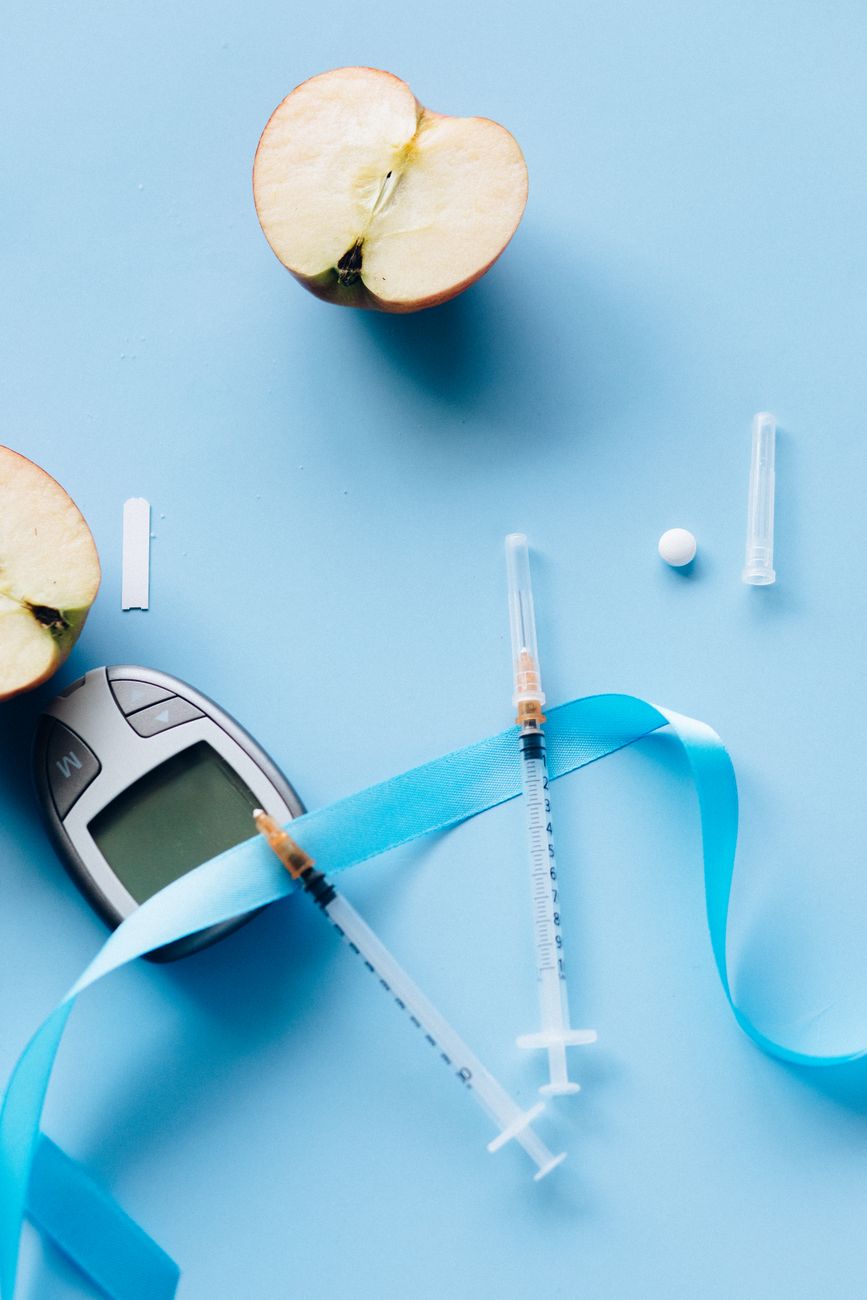
Understanding insulin resistance and metabolic disorders
Insulin resistance occurs when your body's cells don't respond properly to insulin, the hormone that helps cells take in glucose for energy. Over time, this can lead to conditions like type 2 diabetes, obesity, and heart disease. But what causes insulin resistance? And can it be reversed?
The root causes of insulin resistance
Several factors play a role in developing insulin resistance. These include:
- Excess body fat, especially around the abdomen: Fat tissue, particularly visceral fat, releases substances that can interfere with insulin signaling.
- Chronic inflammation: Low-grade inflammation in the body can disrupt how insulin works.
- Diet high in refined carbs and sugars: Eating too many processed foods spikes blood sugar and insulin levels, overloading your system.
- Lack of physical activity: Sitting too much reduces insulin sensitivity.
- Genetics and age: Some people are more prone, and insulin sensitivity tends to decline with age.
Mechanisms behind insulin resistance
Knowing how these factors cause issues helps you understand the process:
- Inflammation and cytokines: Molecules like TNF-alpha can block insulin signaling pathways in cells.
- Fat buildup in muscles and liver: Excess fatty acids seep into tissues, disrupting normal insulin action.
- Oxidative stress: Free radicals damage cells, impairing insulin's function.
- Altered gut bacteria: An imbalance in gut microbiota can promote inflammation and insulin resistance.
Can insulin resistance be reversed?
The good news is that insulin resistance often improves with lifestyle changes. Losing weight, staying active, and eating a balanced diet can help restore insulin sensitivity. Some nutrients and supplements, like omega-3s, magnesium, and chromium, might support this, but talk to your healthcare provider first.
Hope and action
Knowing the causes gives you tools to make meaningful changes. Reducing inflammation, improving your diet, moving more, and managing your weight can make a big difference for your metabolic health. It's never too late to start making positive changes.
Summary
Insulin resistance is linked to excess fat, inflammation, poor diet, and inactivity. These factors interfere with insulin's role and can lead to metabolic issues. With targeted efforts, it can often be reversed.
FAQs
- Q: Can insulin resistance go away on its own?
A: It can improve significantly with lifestyle changes like diet and exercise. - Q: Are supplements helpful?
A: Some nutrients may support metabolic health, but they are not substitutes for healthy habits. - Q: Is insulin resistance inherited?
A: Genetics influence risk, but lifestyle choices are key for prevention and reversal.




0 Comments