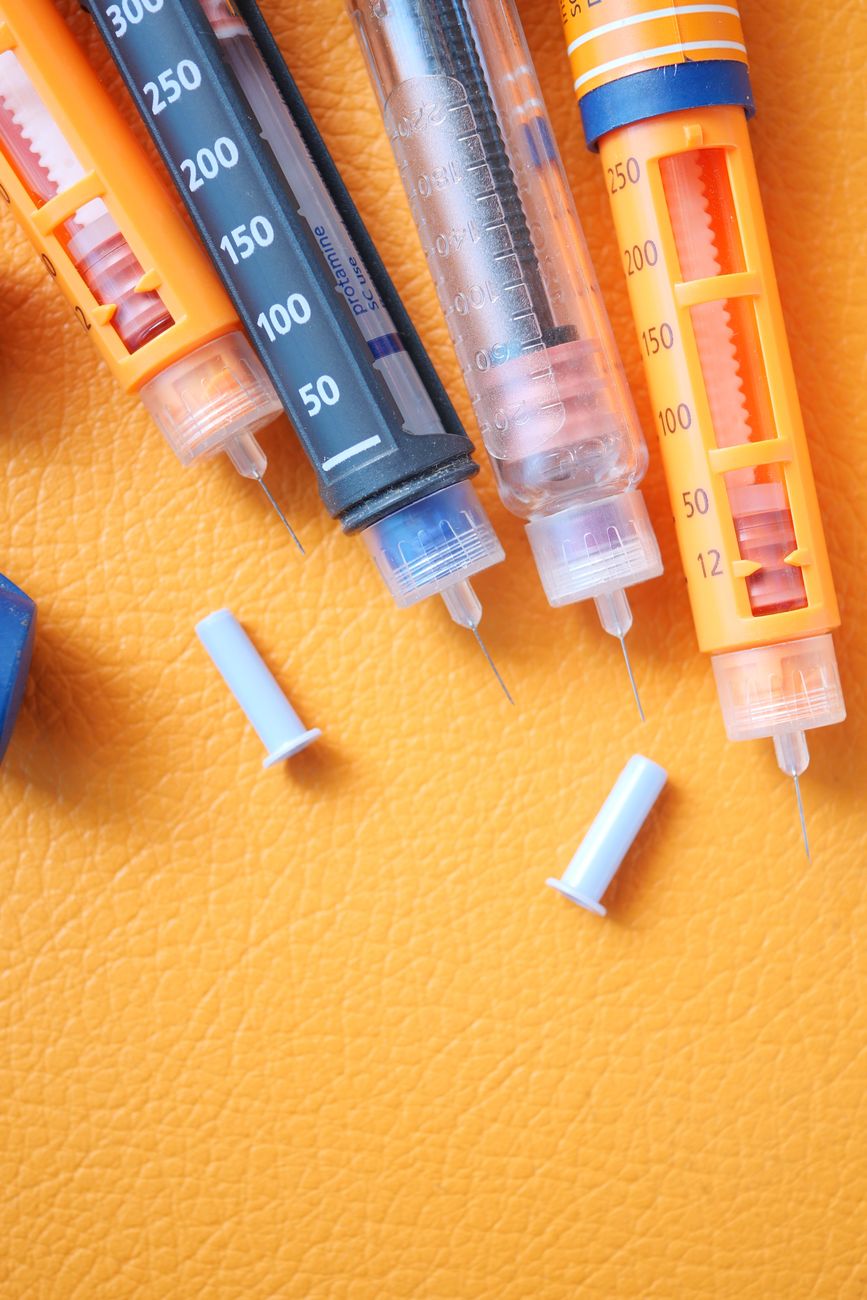
Medications like metformin, TZDs, GLP-1 receptor agonists, and SGLT2 inhibitors can help improve insulin sensitivity, often used alongside lifestyle changes. They target different mechanisms to reduce insulin resistance and lower diabetes risk.
What are the most effective medications for reducing insulin resistance?
- Metformin: Widely prescribed for prediabetes and type 2 diabetes, it reduces liver glucose production and enhances muscle response to insulin.
- Thiazolidinediones (TZDs): Such as pioglitazone and rosiglitazone, they activate PPAR-gamma to improve fat and glucose metabolism but require careful monitoring due to side effects.
- GLP-1 receptor agonists: Like liraglutide and semaglutide, they increase insulin secretion, promote weight loss, and improve insulin response.
- SGLT2 inhibitors: Including empagliflozin and canagliflozin, they lower blood sugar by increasing glucose excretion via the kidneys and may enhance insulin sensitivity indirectly.
How can I implement medication alongside lifestyle changes?
- Consult your healthcare provider for a proper diagnosis and personalized treatment plan.
- Adopt a balanced, high-fiber diet rich in vegetables, whole grains, and lean proteins.
- Engage in regular physical activity—aim for at least 150 minutes of moderate exercise weekly.
- Maintain a healthy weight and monitor stress levels.
- Follow your doctor’s instructions on medication use and schedule regular check-ups.
Comparison of Medications for Insulin Resistance
| Medication | Primary Action | Common Side Effects | Usage Notes |
|---|---|---|---|
| Metformin | Reduces liver glucose production; improves muscle response | Gastrointestinal issues, rare lactic acidosis | First-line therapy, safe for most |
| TZDs | Activate PPAR-gamma to enhance fat and glucose storage | Weight gain, fluid retention, bone fractures | Use with caution, monitor side effects |
| GLP-1 RAs | Increase insulin secretion, suppress appetite | Nausea, pancreatitis risk | Effective for weight loss, used in diabetes management |
| SGLT2 inhibitors | Increase renal glucose excretion | Genital infections, dehydration | Lower blood sugar and may support weight loss |
Is medication alone enough to reverse insulin resistance?
No, medications are most effective when combined with lifestyle changes like diet, exercise, weight management, and stress reduction. This integrated approach offers the best chance to improve insulin sensitivity and reduce cumulative health risks.
Can insulin resistance be reversed?
Yes, with consistent effort, many individuals experience significant improvements in insulin response, reducing their risk for type 2 diabetes and cardiovascular issues. Medications can support this process, but healthy habits are essential.
Summary
Medications such as metformin, TZDs, GLP-1 receptor agonists, and SGLT2 inhibitors can enhance insulin sensitivity. However, lifestyle modifications remain the cornerstone of managing insulin resistance. Always consult your healthcare provider for personalized advice and treatment options.

0 Comments