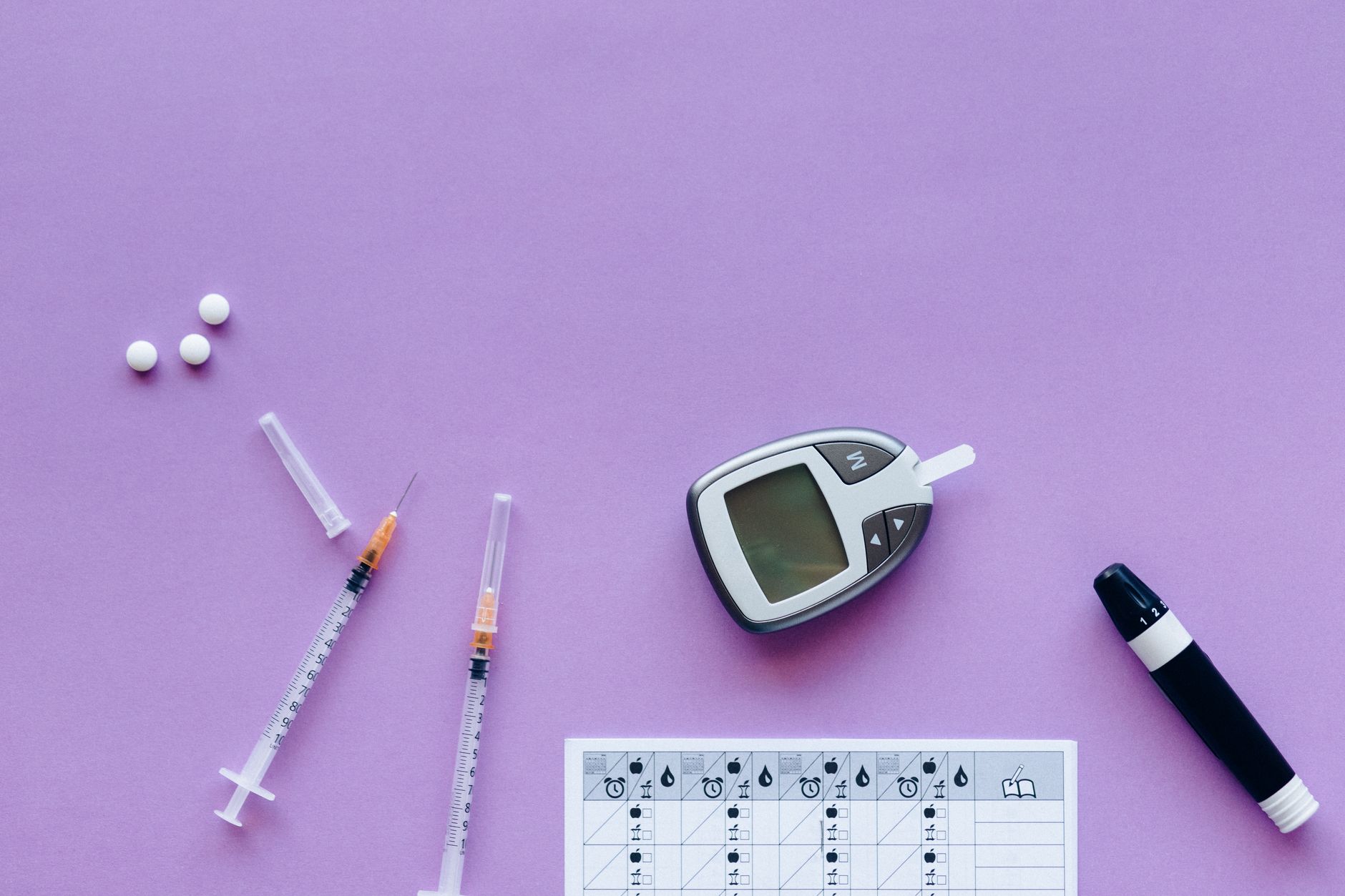
Understanding insulin resistance and its impact
Insulin resistance happens when your body's cells don't respond well to insulin, the hormone that controls blood sugar. This issue is linked to many health problems, including type 2 diabetes, obesity, and metabolic syndrome.
Medications that can help reduce insulin resistance
Medications aimed at improving insulin sensitivity focus on the root causes of insulin resistance. Here are some common options:
Metformin
Metformin is the most prescribed drug for type 2 diabetes and prediabetes. It mainly works by lowering glucose production in the liver and helping the body use insulin better. The American Diabetes Association recommends it as a first treatment for managing blood sugar in type 2 diabetes.
Thiazolidinediones (TZDs)
Drugs like pioglitazone and rosiglitazone fall into this category. They activate a receptor called PPAR-gamma, which improves how cells respond to insulin. Research from the National Institutes of Health shows TZDs can boost insulin sensitivity, though they may cause side effects like weight gain and fluid retention.
SGLT2 inhibitors and GLP-1 receptor agonists
While mainly used to lower blood sugar and aid weight loss, some evidence suggests these drugs might also help insulin sensitivity indirectly by reducing blood sugar and body weight. Examples include empagliflozin and semaglutide.
Emerging and supportive options
Scientists are exploring other drugs and supplements that could support insulin sensitivity. Lifestyle habits such as eating well, staying active, and managing weight are still the most important. Some nutrients, like omega-3 fatty acids and magnesium, might help metabolic health, but check with your healthcare provider before taking any supplements.
Important considerations
Medications can be helpful, but they work best when combined with healthy lifestyle choices. Talk with your healthcare provider to find the best plan for your needs.
Conclusion
While drugs like metformin and TZDs are common for reducing insulin resistance, combining medication with lifestyle changes tends to be most effective. Insulin resistance can be reversed with proper care, especially if caught early.




0 Comments