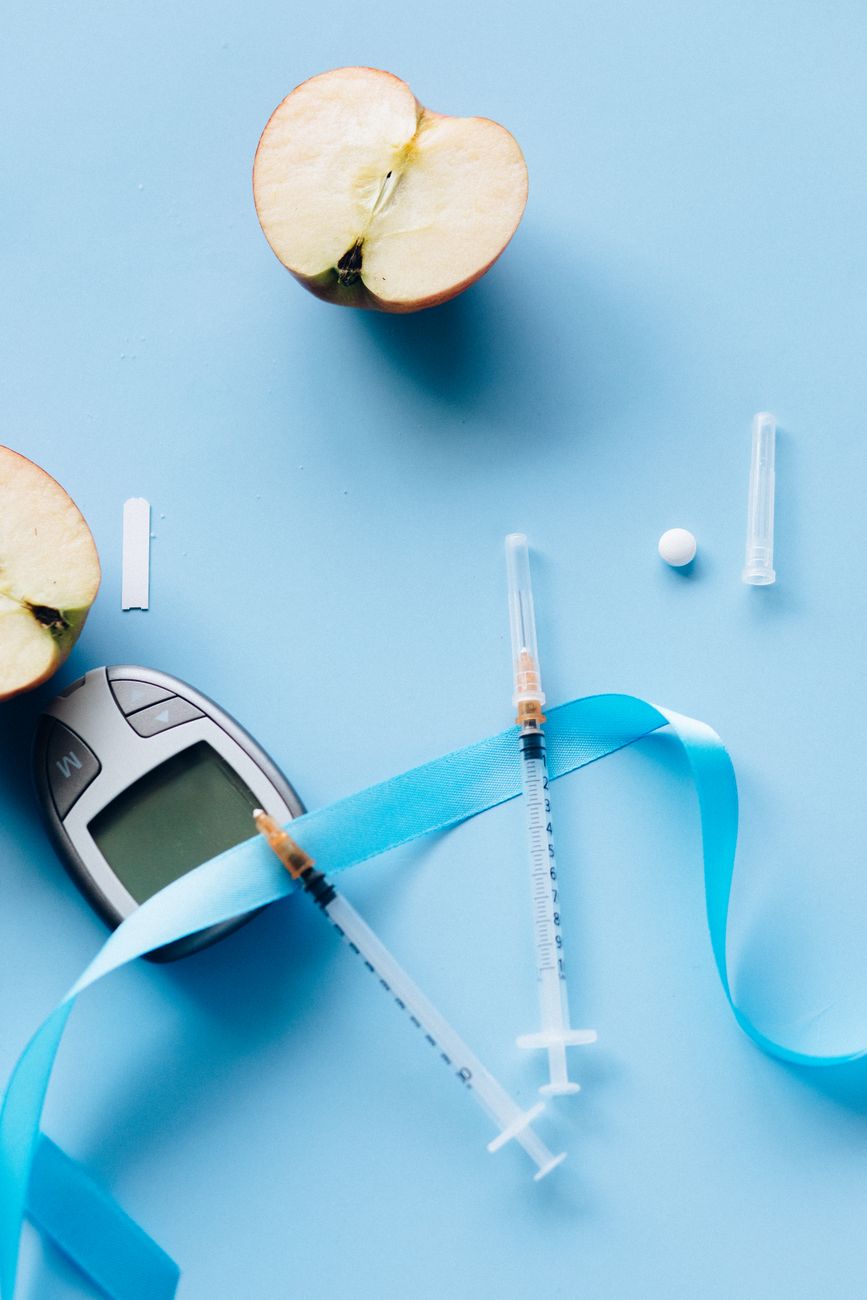
Understanding the link between inflammation and insulin resistance
Inflammation is how your body responds to injury or infection. When it sticks around long-term, it can cause more problems than it solves. One hidden effect is on insulin resistance—the condition where your cells don't respond well to insulin, leading to higher blood sugar.
Insulin helps your cells take in sugar from your blood for energy. Persistent inflammation messes with insulin signaling, making it harder for your body to keep blood sugar in check. Over time, this can lead to type 2 diabetes and other metabolic issues.
How inflammation develops and its role in insulin resistance
Chronic inflammation often comes from lifestyle factors like poor diet, not enough exercise, stress, and exposure to toxins. Extra weight, especially around the belly, also promotes inflammation. Fat tissue, especially when enlarged, releases cytokines—molecules that cause inflammation and impair insulin function.
Think of inflammation as a fire inside your body. If it burns unchecked, it damages tissues and disrupts normal processes, including how your cells respond to insulin.
Natural ways to reduce inflammation and boost insulin sensitivity
Luckily, you can take steps to calm this internal fire and improve insulin response:
- Eat an anti-inflammatory diet: Include plenty of fruits, vegetables, whole grains, nuts, seeds, and fatty fish. These foods contain antioxidants and healthy fats that help fight inflammation.
- Exercise regularly: Staying active reduces inflammation markers and helps your body use insulin better. Aim for about 150 minutes of moderate activity each week.
- Manage stress: Chronic stress releases hormones that increase inflammation. Practices like meditation, deep breathing, or yoga can help lower stress levels.
- Get enough sleep: Poor sleep can throw off hormones and increase inflammation. Aim for 7 to 9 hours of good-quality sleep each night.
- Consider supplements: Some nutrients, such as omega-3s, curcumin, and magnesium, may have anti-inflammatory effects. Talk to your healthcare provider before adding new supplements.
Other lifestyle tips and considerations
Reducing exposure to environmental toxins, avoiding smoking, and maintaining a healthy weight are also important. Remember, inflammation and insulin resistance can often be reversed with consistent lifestyle changes.
Conclusion
Chronic inflammation plays a big role in insulin resistance, but you have control over it. By adopting healthier habits, you can lower inflammation and help your body manage blood sugar better. Small, steady steps can lead to meaningful improvements in your long-term health.




0 Comments