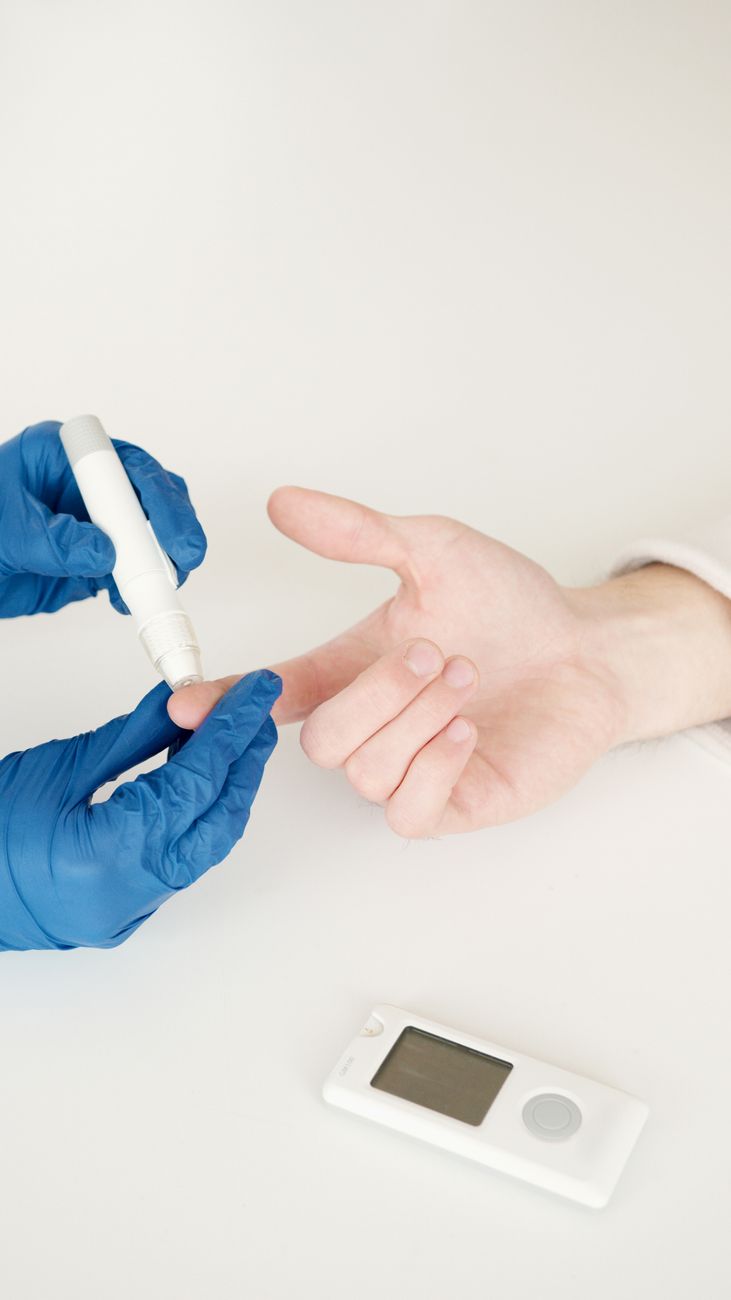
Understanding insulin resistance testing
If you've been told you might have insulin resistance, it can be confusing to interpret your test results. Knowing what the numbers mean can help you understand your health better.
What is insulin resistance?
Insulin resistance happens when your body's cells don't respond well to insulin, the hormone that helps cells take in sugar from the blood. Over time, this can cause blood sugar levels to rise and increase the risk of type 2 diabetes and other health problems.
Common tests for insulin resistance
These are the most common tests:
- Fasting insulin test: Checks insulin levels after fasting. Higher levels may indicate resistance.
- Fasting blood glucose: Measures blood sugar after fasting. Elevated levels can suggest insulin resistance or diabetes.
- HOMA-IR: An estimate of insulin resistance based on fasting insulin and glucose levels.
How to interpret your results
Here's what to keep in mind:
- Fasting insulin: Normal is usually below 10-15 µU/mL. Higher levels may point to resistance.
- Fasting glucose: Normal is below 100 mg/dL. Between 100-125 mg/dL suggests prediabetes; 126 mg/dL or more indicates diabetes.
- HOMA-IR: Values over 2.0 often mean insulin resistance, but this can vary between labs.
Always discuss your results with a healthcare provider for personalized advice.
What do these numbers mean for you?
If your results show insulin resistance, the good news is that it can often be reversed. Making changes to your diet, staying active, and managing your weight can help improve your insulin sensitivity.
Supporting your health naturally
Some nutrients and supplements might support insulin sensitivity, such as:
- Magnesium: Plays a role in glucose metabolism. Some research suggests it can help improve insulin function.
- Chromium: Might boost insulin effectiveness, but evidence is mixed.
- Cinnamon: Some studies indicate it may help lower blood sugar levels.
Remember, supplements are meant to support, not replace, other treatments. Always check with your healthcare provider before trying new ones.
Staying hopeful
Understanding your test results gives you the power to take action. With the right lifestyle changes, insulin resistance can often be managed or reversed. Focus on nourishing your body, staying active, and working closely with your healthcare team.
Summary
To interpret insulin resistance tests, look at fasting insulin, blood sugar, and HOMA-IR numbers. Elevated levels suggest resistance, but lifestyle changes can make a difference.
FAQs
- Can insulin resistance be reversed? Yes, through diet, exercise, and weight management, many improve their insulin sensitivity.
- Are supplements helpful? Some nutrients may support insulin health, but check with your doctor before using them.
- How often should I get tested? Talk to your healthcare provider; typically every 1-2 years depending on your risk factors.




0 Comments