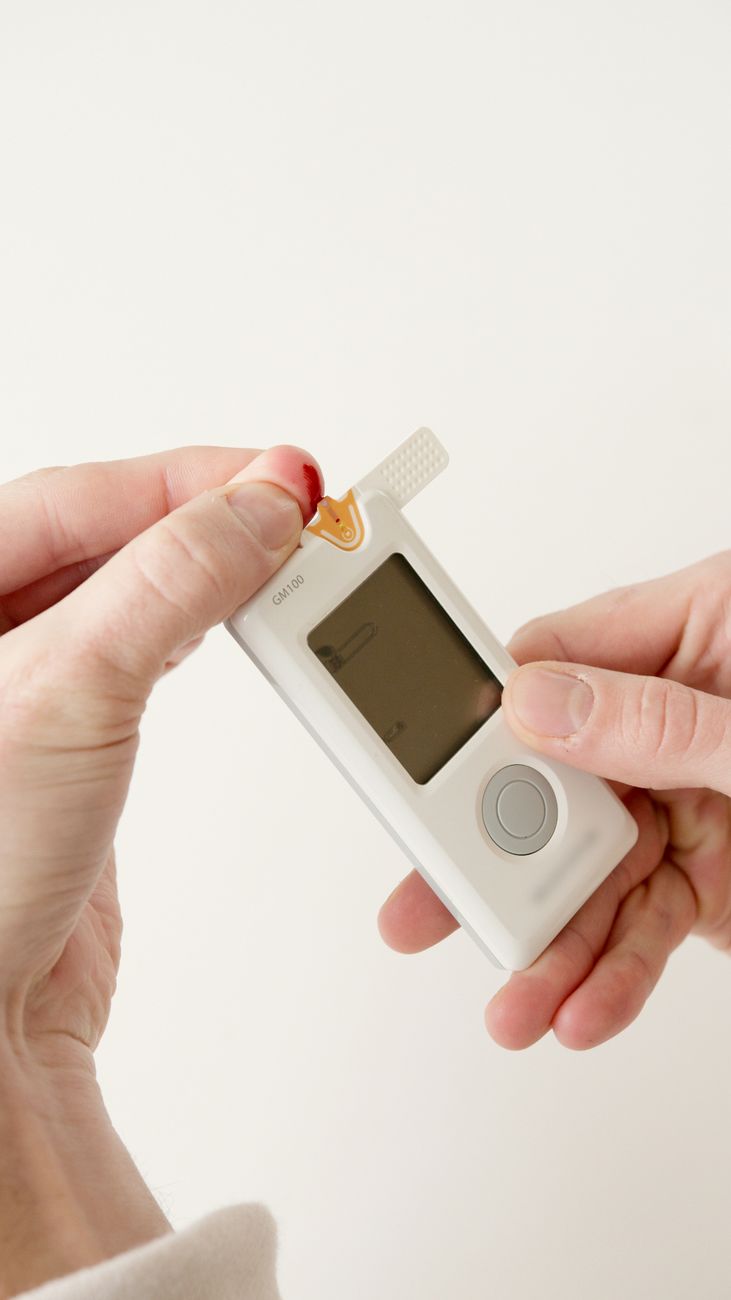
Understanding insulin resistance and its effects
Insulin resistance happens when your body's cells don’t respond well to insulin, causing blood sugar levels to rise. It’s a common factor in developing type 2 diabetes and can be linked to other health problems like heart disease.
What do insulin resistance tests show?
Different tests measure insulin resistance, offering useful information. The most common ones are fasting insulin levels, fasting glucose, and the HOMA-IR score.
Fasting insulin test
This test checks the amount of insulin in your blood after fasting. High levels can mean your body is producing more insulin to control blood sugar, which can indicate resistance.
Fasting glucose test
This measures your blood sugar after fasting. If it’s high, it may mean your body is having trouble managing sugar because of insulin resistance.
HOMA-IR score
This combines fasting insulin and fasting glucose to estimate insulin resistance. Higher scores suggest greater resistance.
How to understand your results
To interpret your results, look at the specific numbers and what they suggest:
- Normal fasting insulin: < 10 µU/mL
- High fasting insulin: > 10 µU/mL
- Normal fasting glucose: < 100 mg/dL
- Pre-diabetic fasting glucose: 100-125 mg/dL
- Diabetic fasting glucose: ≥ 126 mg/dL
HOMA-IR scores differ by lab, but generally, a score below 1.0 is normal, 1.0-2.9 shows mild resistance, and above 3 indicates significant resistance.
What your results mean and what to do next
If your levels show insulin resistance, don’t worry. It can often be reversed with changes in diet, exercise, and weight control. Your healthcare provider can help you create a plan that fits your needs.
Supporting your health naturally
Some nutrients and supplements may help, like magnesium, omega-3s, and chromium. Remember, these aren’t cures but can support your efforts. Talk to your doctor before adding new supplements.
Summary
Understanding your insulin resistance test results can seem complicated, but knowing the basics helps you make better decisions. Taking action can improve your insulin sensitivity and overall health.




0 Comments