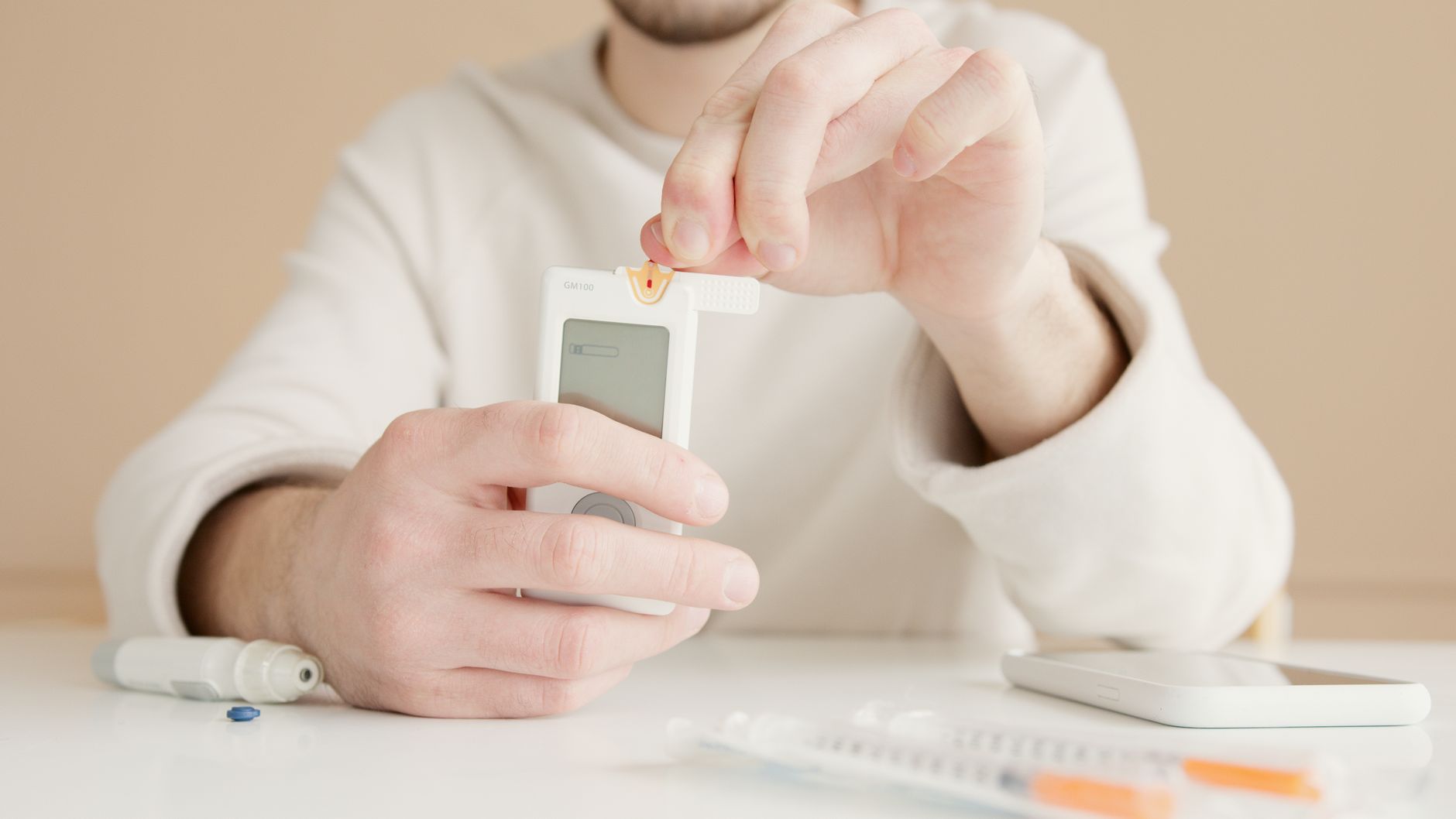
Understanding insulin resistance tests
If you've had an insulin resistance test, the numbers and medical terms can feel overwhelming. The good news is, you can understand your results with some guidance. Insulin resistance happens when your body's cells don't respond well to insulin, which can raise blood sugar levels and increase the risk of type 2 diabetes. These tests help show how well your body is managing insulin and glucose, giving clues about your metabolic health.
Common types of insulin resistance tests
There are a few main tests used to check insulin sensitivity:
- Fasting insulin test: Measures insulin after an overnight fast. High fasting insulin means your body needs more insulin to keep blood sugar stable.
- HOMA-IR: Uses fasting insulin and fasting blood glucose to estimate insulin resistance. Higher numbers suggest more resistance.
- Oral glucose tolerance test (OGTT): Checks blood sugar and insulin response over a few hours after drinking a sugary solution. It shows how your body handles glucose in real time.
- Insulin sensitivity index (ISI): Calculated from OGTT data, providing a detailed look at insulin action.
How to read your results
Knowing what your results mean involves understanding common ranges and what deviations indicate. Here's a simple guide:
Fasting insulin
Normal: <15 µU/mL
Elevated: >15 µU/mL
HOMA-IR
Normal: <2.0
Borderline: 2.0–2.9
High: ≥3.0
OGTT
Blood sugar levels:
- Fasting: <100 mg/dL (normal), 100-125 mg/dL (pre-diabetes)
- 1 hour: <180 mg/dL
- 2 hours: <140 mg/dL (normal), 140-199 mg/dL (pre-diabetes)
Insulin levels during OGTT can also provide useful information; high levels may indicate resistance.
What do your results mean?
If your tests show higher insulin or blood sugar levels, it means your body is working harder to control blood sugar. This points to insulin resistance, which can often be improved through lifestyle changes like healthier eating, physical activity, losing weight, and managing stress. Remember, these results are just a starting point—your body can get better with consistent effort.
Taking action and staying hopeful
The good news is that insulin resistance can often be reversed. Eating well, staying active, and managing your weight can make a real difference. Some nutrients and supplements, such as magnesium, chromium, and omega-3 fatty acids, might help improve insulin sensitivity, but always check with a healthcare provider before adding any new supplements.
Conclusion
Understanding your insulin resistance test results might seem complicated at first, but knowing what the numbers mean helps you take charge of your health. Look at the overall pattern—high insulin, high blood sugar, or both—and remember that healthy habits can lead to improvement. Stay proactive and work with your healthcare provider to create a plan that fits your needs.




0 Comments