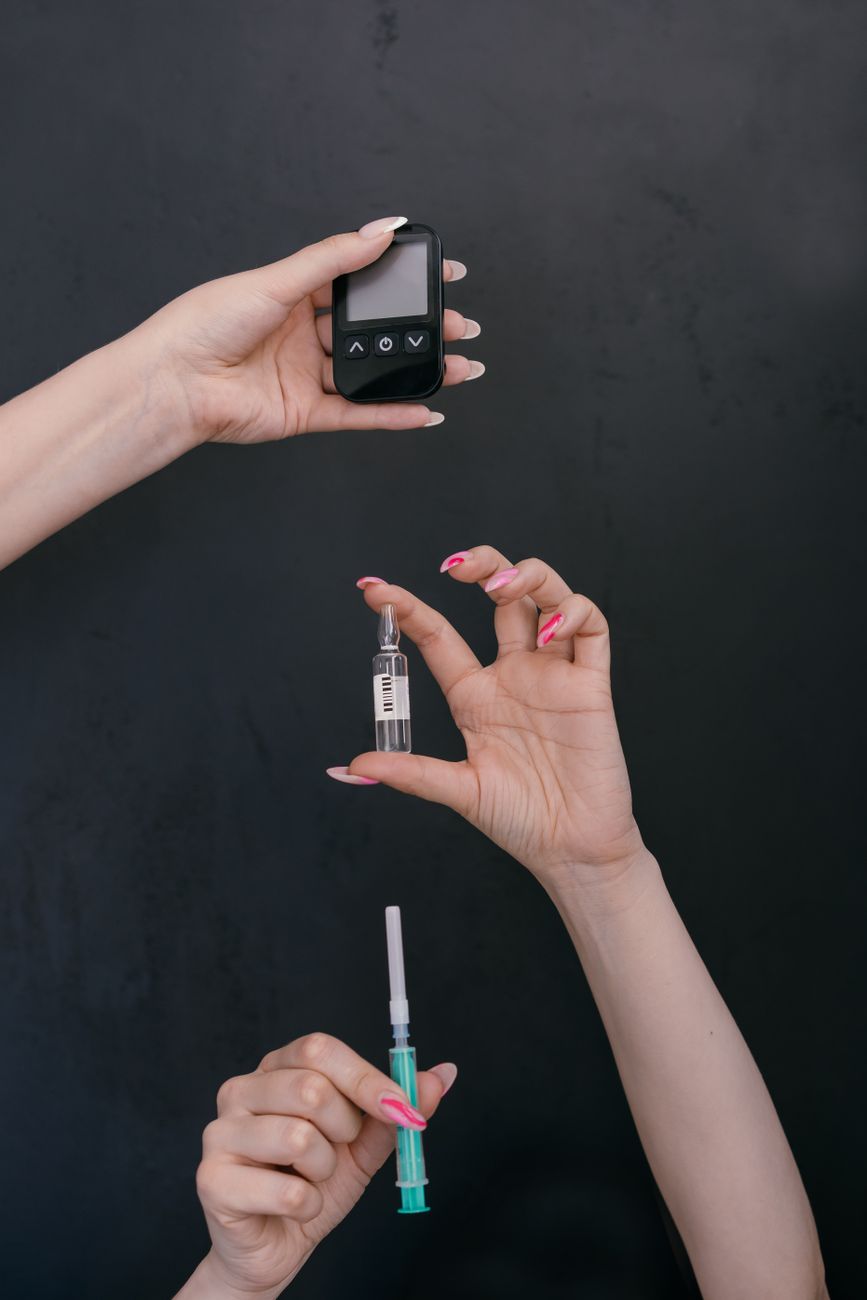
Understanding insulin resistance and hormonal balance
Insulin resistance occurs when your body's cells stop responding well to insulin, a hormone that controls blood sugar. When this happens, your body needs more insulin to keep blood sugar levels stable. Over time, this imbalance can affect other hormones and lead to health problems.
How insulin resistance affects hormones
Think of your hormones as a team working together to keep your body functioning. When insulin resistance develops, it throws this team off balance. Here's how:
- Estrogen and progesterone: In women, insulin resistance can cause hormonal fluctuations, leading to irregular periods, PMS, or menopause symptoms. High insulin levels can increase estrogen production, which may disturb the balance needed for reproductive health.
- Testosterone: Increased insulin can raise testosterone levels in women, contributing to conditions like PCOS (polycystic ovary syndrome), which can affect fertility and overall health.
- Leptin and ghrelin: These hormones help control hunger and fullness. When insulin resistance occurs, their signals can be disrupted, leading to increased appetite and cravings, making weight management harder.
What you can do to restore hormonal balance
Good news: insulin resistance and its hormonal effects can often be reversed through lifestyle changes and supportive nutrients. Here's what to consider:
Eat a balanced diet
Choose whole foods, vegetables high in fiber, lean proteins, and healthy fats. Limit processed foods and added sugars that cause blood sugar and insulin spikes.
Get active regularly
Exercise helps improve insulin sensitivity. Even a daily walk or gentle strength training can help.
Manage stress and sleep
Chronic stress and poor sleep can worsen insulin resistance. Practice relaxation techniques and aim for 7-9 hours of quality sleep each night.
Use supportive nutrients and supplements
Some nutrients may support better insulin sensitivity and hormone balance. Magnesium, omega-3 fatty acids, and chromium, for instance, have shown promising results. Remember, supplements support healthy habits, not replace them.
Hope and taking control
Keep in mind, hormonal imbalances caused by insulin resistance are often reversible. Small, consistent steps can restore balance and boost your health. Always talk to your healthcare provider before making big changes or starting new supplements.




0 Comments