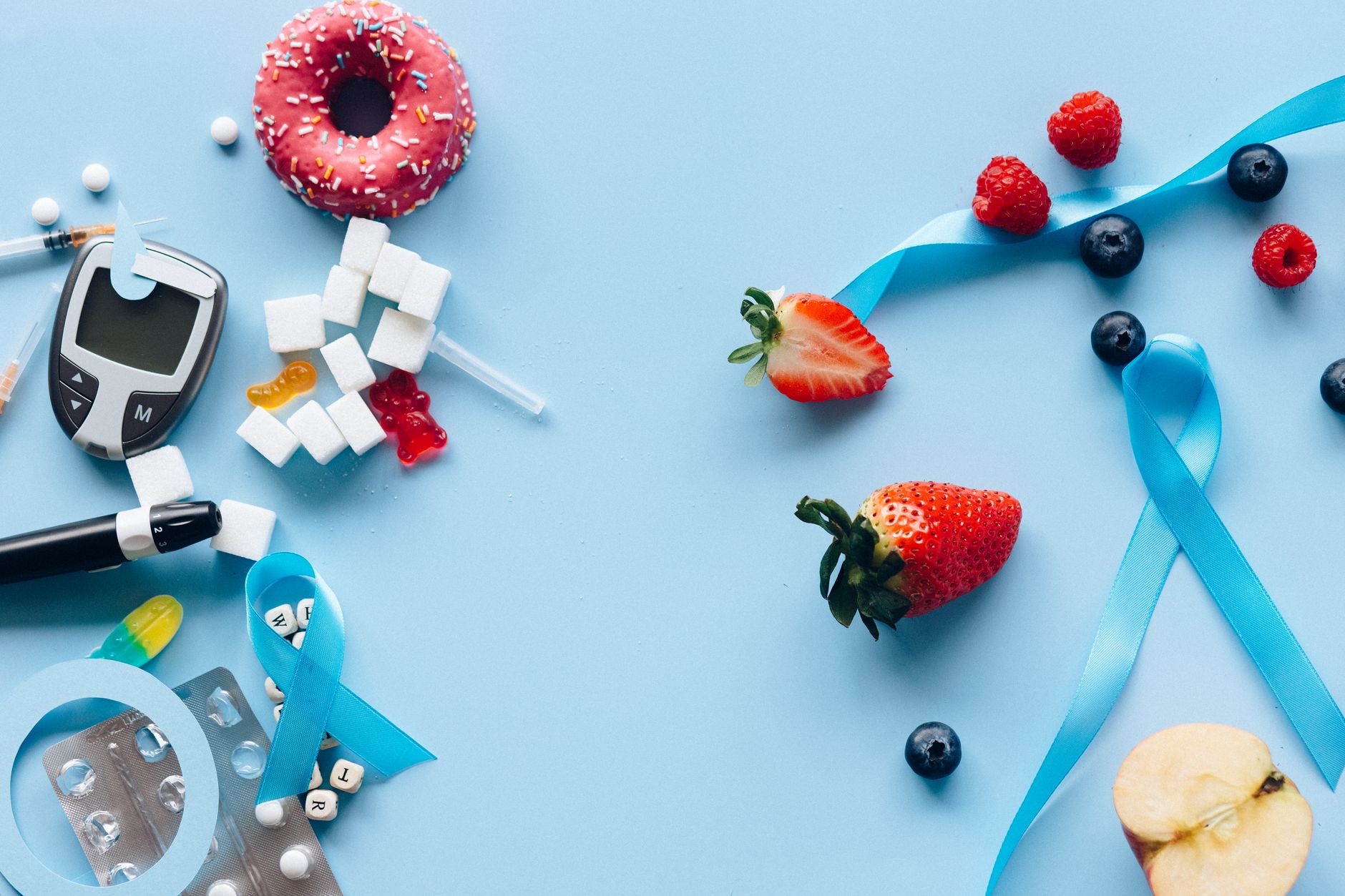
Understanding the link between inflammation and insulin resistance
Inflammation is how your body responds to injury or infection, but when it’s ongoing, it can lead to health problems. One common issue is insulin resistance, where your cells don’t respond well to insulin. This can cause blood sugar levels to rise and increase the risk of type 2 diabetes.
How inflammation affects your body and insulin
Think of your cells as tiny locks and insulin as the key that opens them to let sugar in for energy. Chronic inflammation releases chemicals called cytokines that block this process. These cytokines interfere with insulin signals, making cells less responsive. Over time, this resistance makes blood sugar climb, raising the chance of metabolic issues.
Simple, natural ways to cut inflammation and boost insulin sensitivity
1. Eat an anti-inflammatory diet
Choose whole, minimally processed foods like fruits, vegetables, nuts, seeds, and healthy fats such as olive oil and avocados. These foods are rich in antioxidants and phytochemicals that help fight inflammation. Cut back on processed foods, sugary snacks, and trans fats, which can promote inflammation.
2. Stay active regularly
Exercise helps lower inflammation by improving blood flow and reducing fat, especially around your belly. Aim for at least 150 minutes of moderate activity each week, like brisk walking or cycling.
3. Get enough sleep
Lack of sleep can raise inflammation markers. Try to get 7-9 hours of good quality sleep each night to support your body’s natural anti-inflammatory functions.
4. Manage stress
Chronic stress triggers inflammation through hormones like cortisol. Practice mindfulness, meditation, or deep breathing to keep stress levels in check.
5. Consider anti-inflammatory supplements
Some nutrients, such as omega-3 fatty acids (found in fish oil), turmeric (curcumin), and ginger, have anti-inflammatory effects. Remember, supplements support a healthy lifestyle but aren’t replacements. Talk to a healthcare provider before starting any new supplements.
Is insulin resistance reversible?
The good news is that insulin resistance, often caused by inflammation, can be reversed. Making healthier choices can restore your body’s sensitivity to insulin and lower the risk of diabetes and other metabolic conditions. Small, consistent changes add up over time.
Final thoughts
Knowing how inflammation influences insulin resistance helps you take action. By focusing on diet, activity, sleep, stress control, and mindful supplementation, you can reduce inflammation naturally. These steps aren’t just about avoiding illness—they support your overall health and energy.




0 Comments