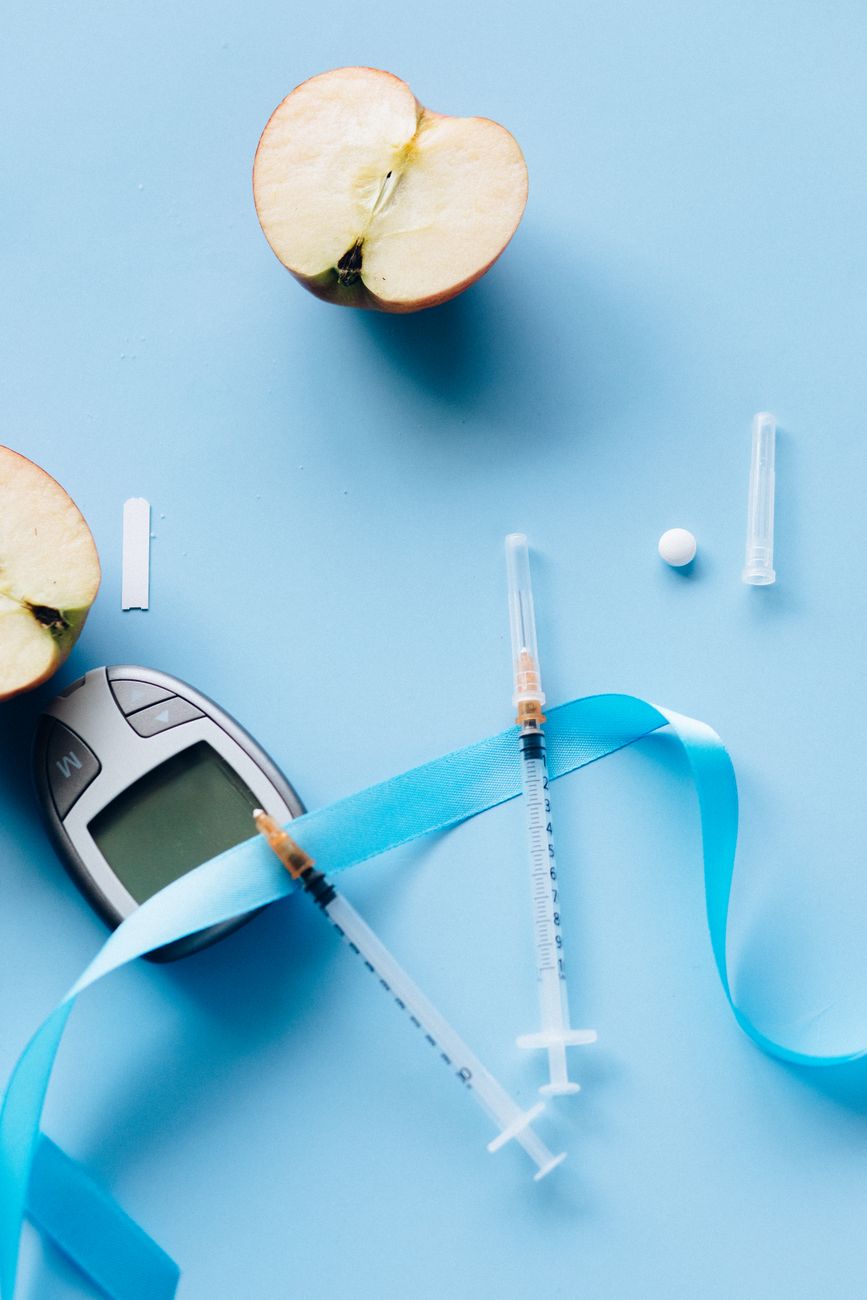
Understanding the connection between inflammation and insulin resistance
Inflammation is your body's response to injury or infection. When it becomes ongoing, it can quietly harm cells and interfere with normal functions. One key area affected is how your cells respond to insulin and absorb sugar from your blood.
How inflammation leads to insulin resistance
Chronic inflammation activates immune responses that disrupt insulin signaling. Think of insulin as a key that opens cells so sugar can enter. Inflammation can cause the locks to become sticky or misaligned, making it harder for insulin to work. As a result, blood sugar stays higher longer, which over time can lead to insulin resistance and increase the risk of type 2 diabetes.
Studies from groups like the American Heart Association and NIH show that markers of inflammation, such as CRP and cytokines, are often higher in people with insulin resistance. This points to a direct link between inflammation and how the body handles glucose.
What you can do to lower inflammation and boost insulin sensitivity
The good news is that inflammation and insulin resistance can often be improved. Here are some science-supported strategies:
- Eat an anti-inflammatory diet: Fill your plate with fruits, vegetables, nuts, seeds, whole grains, and fatty fish like salmon. These foods contain nutrients that help reduce inflammation.
- Exercise regularly: Staying active lowers inflammatory markers and helps your body respond to insulin better. Even moderate activity like walking or cycling can help.
- Manage your weight: Extra fat, especially around the belly, produces substances that promote inflammation. Losing weight can cut inflammation and improve insulin response.
- Prioritize sleep: Poor sleep raises inflammation and can cause insulin resistance. Aim for 7 to 9 hours of quality sleep each night.
- Consider supportive nutrients: Supplements like omega-3s, curcumin, and magnesium may help reduce inflammation, but talk to your healthcare provider before adding them to your routine.
Understanding the science in simple terms
Think of your body as a busy city. Inflammation is like a small fire that, if not controlled, can spread and cause traffic jams. These jams block insulin from doing its job, causing sugar to build up in the blood. By reducing inflammation—like putting out small fires—you help keep traffic moving smoothly and your cells responding properly to insulin.
Final thoughts
Chronic inflammation is a key factor in insulin resistance, but it can be changed. Making small lifestyle adjustments can lower inflammation and support better blood sugar control. Consistent, everyday steps can lead to real improvements in your health.




0 Comments