Introduction
Fats are an important part of our diet, but not all fats have the same effects. Some support healthy insulin function and metabolic balance, while others can lead to resistance and imbalance. Knowing the differences helps you make smarter food choices.
The Role of Fats in Your Body
Fats provide energy, help produce hormones, and keep cells healthy. But the type of fat you eat affects how your body responds to insulin and manages blood sugar.
Types of Dietary Fats
Saturated Fats
Found in animal products like butter, cheese, and red meat, saturated fats have been linked to increased inflammation and insulin resistance when eaten in excess. Some recent research suggests that moderate amounts might not be as harmful as once thought, but eating in moderation remains important.
Trans Fats
Artificial trans fats, often in processed foods, are strongly linked to increased inflammation and insulin resistance. It's best to avoid them entirely.
Monounsaturated Fats
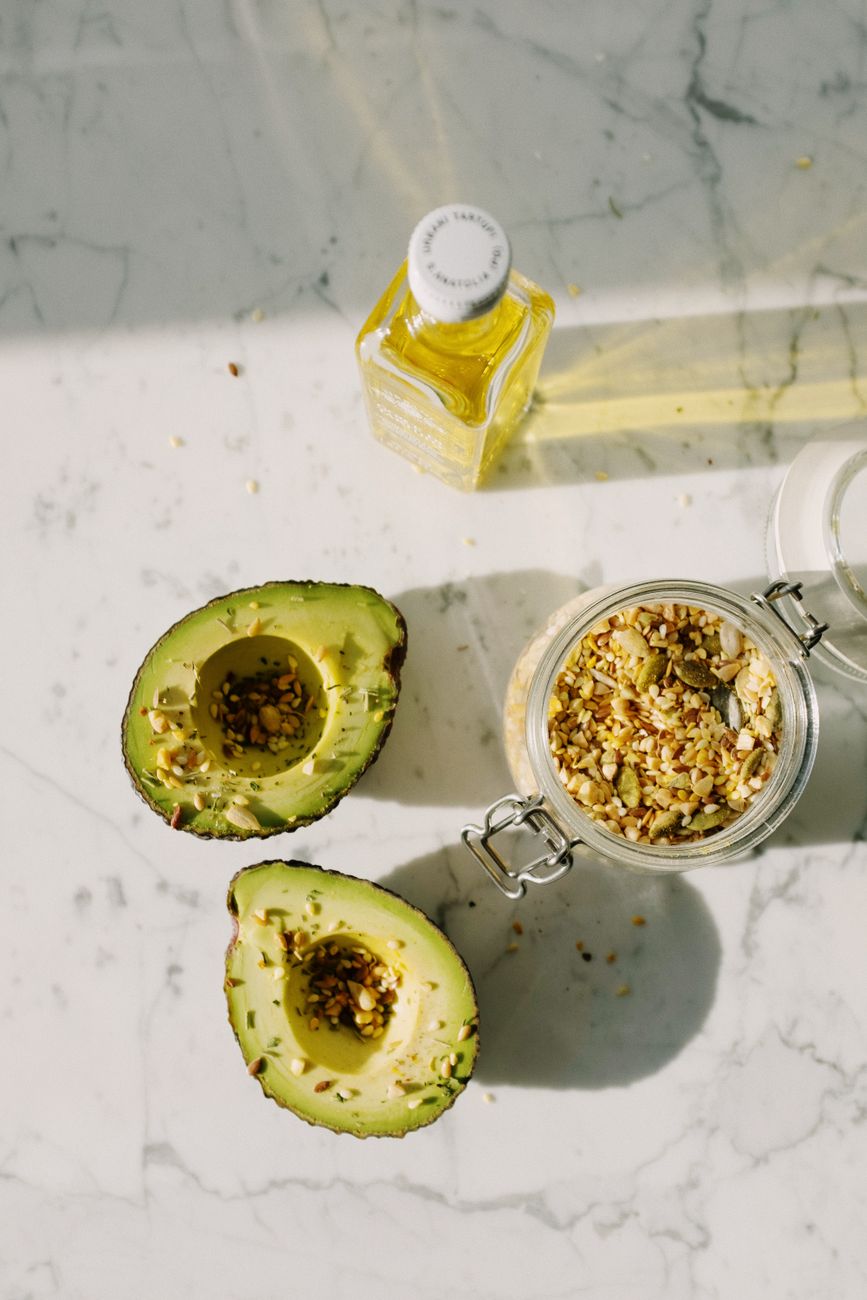
Present in olive oil, avocados, and nuts, these fats are generally good for you. They may help improve insulin sensitivity and support metabolic health.
Polyunsaturated Fats
Including omega-3 and omega-6 fatty acids, these fats are key for brain health and controlling inflammation. Omega-3s, found in fatty fish, are especially helpful for supporting insulin function.
The Impact of Fats on Insulin Sensitivity
Insulin sensitivity shows how well your body responds to insulin, a hormone that keeps blood sugar in check. Diets high in unhealthy fats can lead to insulin resistance, a common cause of type 2 diabetes. Eating healthier fats can help maintain or improve insulin sensitivity.
Reversing Insulin Resistance with Fats
Replacing processed trans fats with monounsaturated and omega-3-rich polyunsaturated fats can help your body respond better to insulin. Combining these healthy fats with balanced carbs and fiber boosts their benefits.
Conclusion
Choosing the right fats is a simple step toward better metabolic health. Focus on adding more healthy fats like olive oil, nuts, and fatty fish, and cut back on trans fats and too much saturated fat. Your body can reverse insulin resistance, leading to more energy, better mood, and overall health.




0 Comments