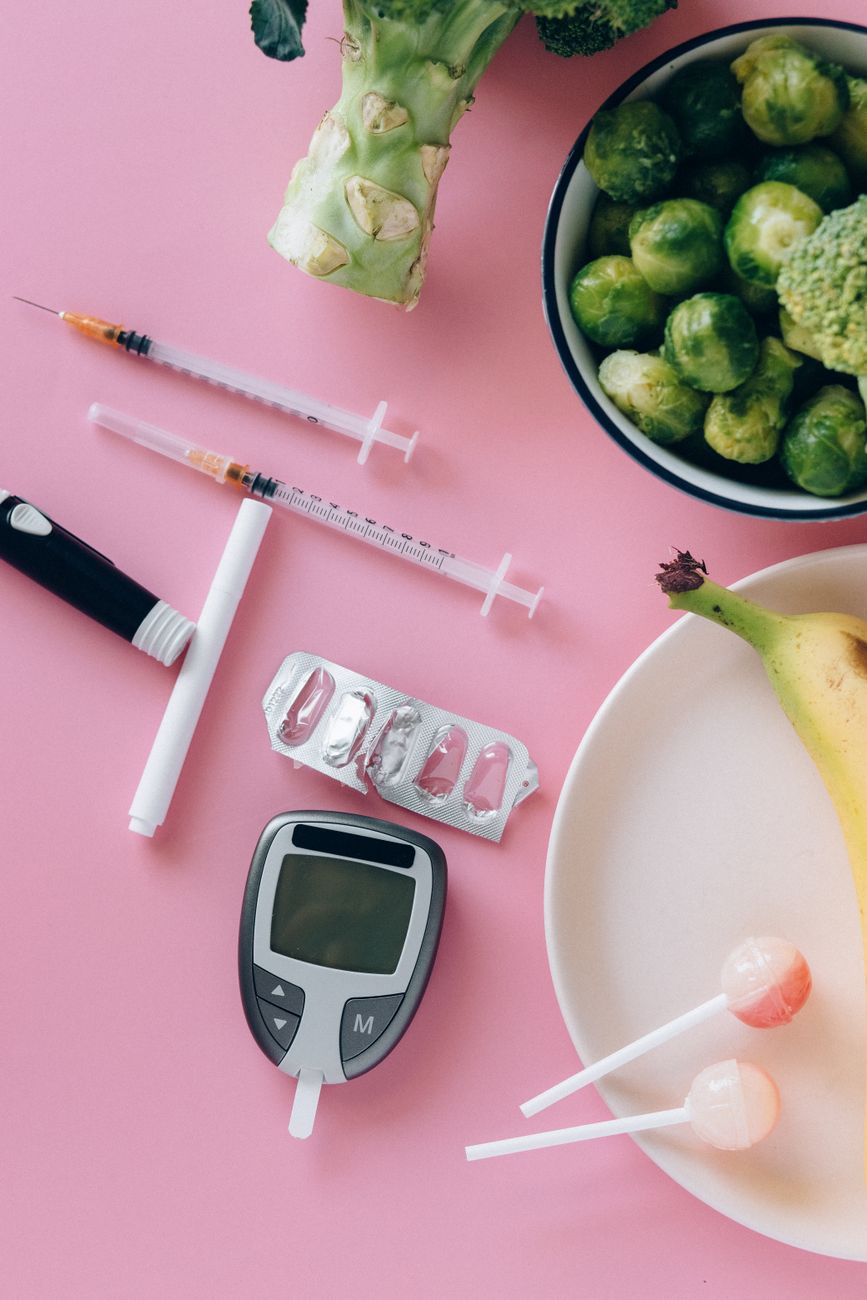
Understanding the link between hormones and insulin resistance
Hormones act as chemical messengers that control many functions in the body. When their levels are off, it can cause health problems, including insulin resistance. Insulin is a hormone that helps your body turn sugar into energy. If hormones are out of balance, insulin doesn’t work as well, which can lead to higher blood sugar and an increased risk of type 2 diabetes.
How hormonal imbalances affect insulin sensitivity
Several hormones impact how sensitive your body is to insulin. These include cortisol, estrogen, progesterone, testosterone, and thyroid hormones. For example, high cortisol levels, often caused by stress, can raise blood sugar and promote insulin resistance. Hormonal changes during menopause or other hormonal disorders can also reduce how well insulin works, making it harder for your body to manage sugar.
Rebalancing hormones naturally to improve insulin resistance
The good news is that many hormonal issues can be fixed through lifestyle and diet. Here are some ways to do that:
- Manage stress: Chronic stress raises cortisol. Techniques like meditation, deep breathing, and yoga can lower stress hormones and help improve insulin sensitivity.
- Eat a balanced diet: Focus on whole foods with fiber, healthy fats, and lean proteins. Cut back on processed foods and added sugars, which can spike blood sugar and throw off hormones.
- Prioritize sleep: Good sleep helps regulate hormones, including insulin and cortisol. Aim for 7 to 9 hours of quality sleep each night.
- Exercise regularly: Physical activity boosts insulin sensitivity and helps balance hormones like testosterone and estrogen. Include both cardio and strength training.
- Supportive supplements: Nutrients such as magnesium, chromium, and omega-3s may support hormone health. Always talk to a healthcare provider before starting supplements.
Conclusion
Hormonal imbalances can significantly influence insulin resistance. Making natural lifestyle changes can help restore hormone balance and improve how your body handles blood sugar. These changes are often within your control and can lead to better health over time.




0 Comments