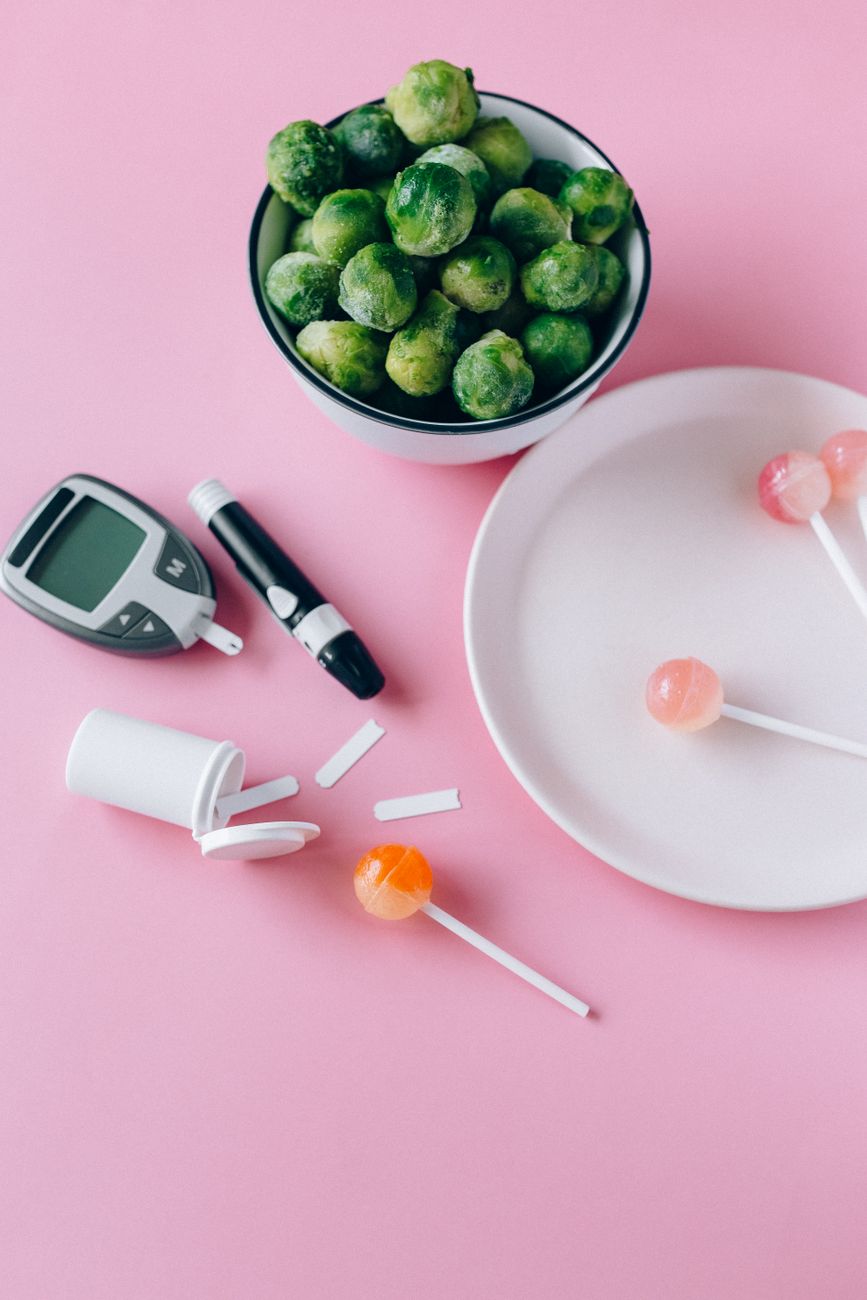
Understanding the connection between hormones and insulin resistance
Your hormones influence how your body handles blood sugar and energy, even if you don’t realize it. When hormones are out of balance, they can disrupt insulin, the hormone that helps your cells absorb sugar from your blood. This disruption can cause insulin resistance, where your cells stop responding properly to insulin.
How hormonal imbalances impact insulin
Several hormones affect insulin sensitivity, including cortisol, thyroid hormones, estrogen, and testosterone. For instance:
- Cortisol: High levels, often from stress, can raise blood sugar and contribute to insulin resistance.
- Thyroid hormones: Low thyroid function can slow metabolism and worsen insulin sensitivity.
- Estrogen and testosterone: Imbalances can influence fat distribution and inflammation, affecting how insulin works.
Why this matters for your metabolic health
Insulin resistance plays a role in conditions like type 2 diabetes, obesity, and heart disease. But it’s not a permanent problem. Many hormonal imbalances can be improved or managed through lifestyle changes, nutrients, and medical advice.
Supporting hormonal and metabolic health
Treating hormonal imbalances requires a comprehensive approach:
- Stress management: Practices like mindfulness and regular exercise can lower cortisol levels.
- Nutrient support: Nutrients such as magnesium, omega-3s, and vitamin D help support hormone health and insulin sensitivity. Always check with a healthcare provider before taking supplements.
- Healthy diet and activity: Eating whole, minimally processed foods and staying active can improve how your body responds to insulin.
- Medical advice: Hormonal testing and personalized treatment plans can help restore balance.
Reversibility and better health prospects
While hormonal imbalances can seem overwhelming, many are reversible or manageable with the right steps. Restoring hormonal health can boost insulin sensitivity and overall metabolic well-being, leading to more energy, better mood, and a lower risk of chronic disease.




0 Comments