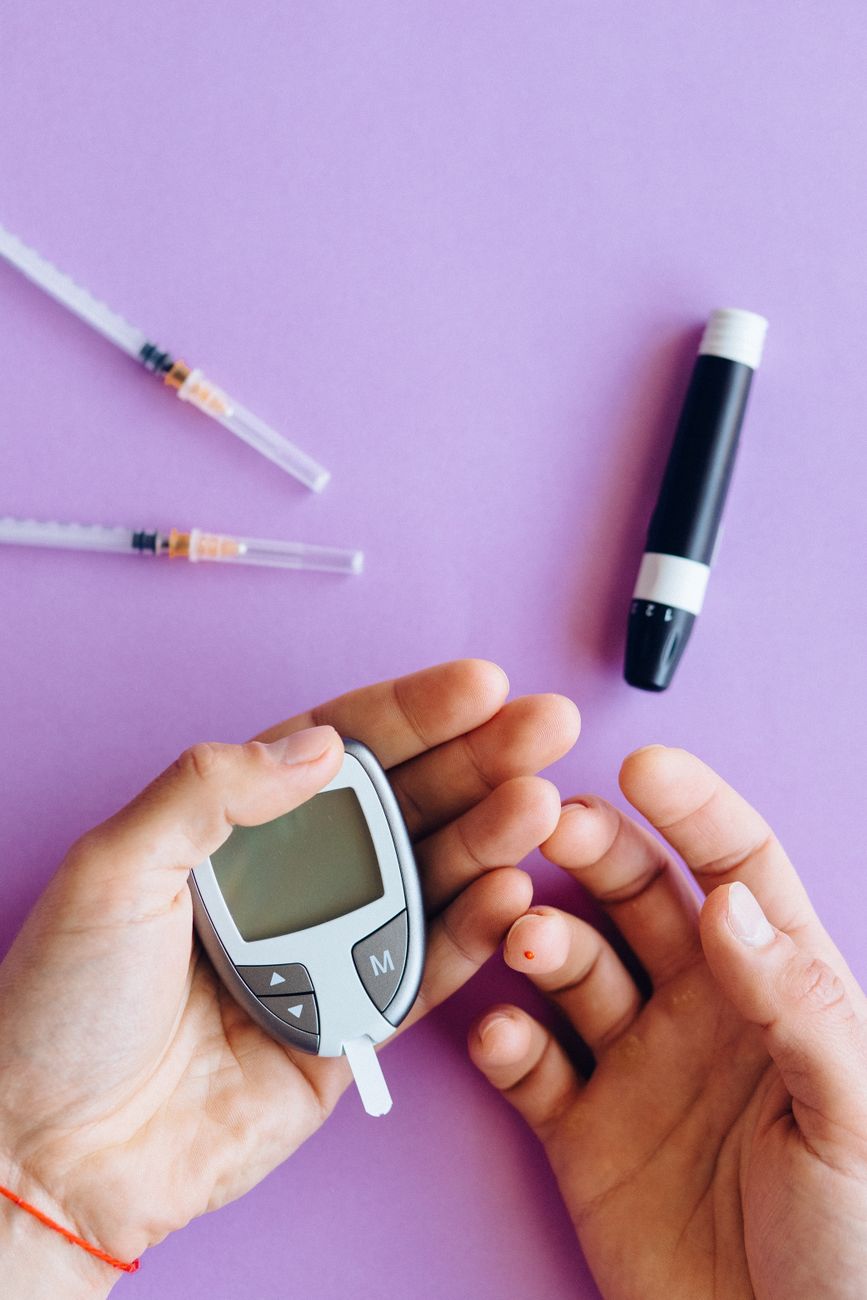
Understanding insulin resistance
Insulin resistance occurs when your body's cells don't respond well to insulin, the hormone that helps control blood sugar. Over time, this can lead to higher blood sugar levels and increase the risk of type 2 diabetes and heart disease. Recognizing early signs and understanding how it's diagnosed can help you manage your health.
Signs and symptoms of insulin resistance
Many people with insulin resistance don't notice obvious symptoms. Still, some signs might suggest your body isn't responding to insulin effectively:
- Increased hunger and cravings, especially for sweets
- Unexplained weight gain, often around the belly
- Feeling tired after eating
- Dark patches of skin, known as acanthosis nigricans, usually on the neck or underarms
- High blood pressure and elevated triglycerides
Keep in mind these signs aren't exclusive to insulin resistance, so proper testing is important.
Testing for insulin resistance
Diagnosing insulin resistance involves specific blood tests. The most common include:
- Fasting blood glucose: Checks blood sugar after fasting for 8-12 hours. High levels can indicate insulin resistance or prediabetes.
- Fasting insulin test: Measures insulin levels in fasting blood; high levels suggest the body needs more insulin to control blood sugar.
- Oral glucose tolerance test (OGTT): Measures blood sugar before and after drinking a sugary solution. A delayed or high rise in blood sugar points to insulin resistance.
- HOMA-IR score: Uses fasting glucose and insulin levels to estimate how resistant your body is to insulin.
While these tests give clues, they are just part of the bigger picture, which includes your medical history and other risk factors.
How insulin resistance is diagnosed
Healthcare providers look at your test results along with your health history. Factors like weight, family history, and lifestyle are considered. Often, a combination of tests and physical signs leads to a diagnosis. If caught early, lifestyle changes such as eating healthier, exercising, and managing weight can often reverse insulin resistance.
Hope and action
Remember, insulin resistance can often be reversed. Choosing healthier habits can improve how your body responds to insulin. Regular check-ups and working with your healthcare team are important steps toward better health.
TL;DR
Insulin resistance may show subtle signs but can be identified through blood tests. Detecting it early allows for lifestyle changes that can improve your health.




0 Comments