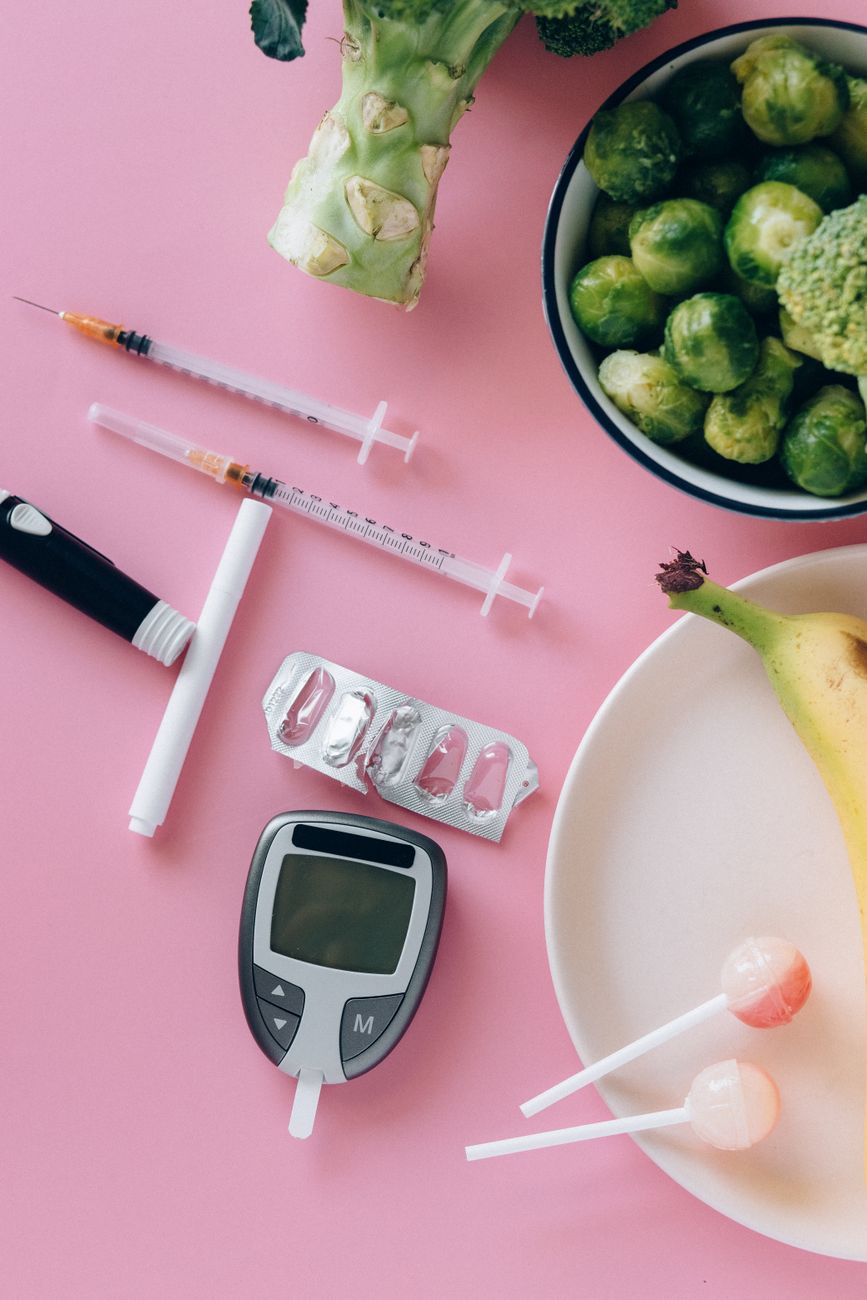
understanding insulin resistance and why diet matters
insulin resistance happens when your body's cells don’t respond well to insulin, the hormone that helps control blood sugar. this can lead to higher blood sugar levels and may develop into type 2 diabetes if left unchecked. making changes to your diet can help improve how your body responds to insulin and support overall health.
what makes a diet good for insulin resistance?
a diet that helps with insulin resistance focuses on keeping blood sugar steady, reducing inflammation, and maintaining a healthy weight. it emphasizes whole, minimally processed foods and balances macronutrients to avoid blood sugar spikes.
key components of an insulin-resistant-friendly diet
1. prioritize whole, unprocessed foods
include fruits, vegetables, whole grains, lean proteins, and healthy fats. these foods are high in fiber and nutrients that slow sugar absorption and improve insulin response.
2. choose low-glycemic index foods
foods with a low GI cause smaller blood sugar increases. examples are oats, legumes, most non-starchy vegetables, and berries.
3. incorporate healthy fats
sources like avocados, nuts, seeds, and olive oil support heart health and may boost insulin sensitivity. avoid trans fats and limit saturated fats.
4. focus on lean protein
include chicken, fish, eggs, and plant-based proteins to help stabilize blood sugar and keep you full longer.
5. minimize refined carbohydrates and sugars
cut back on white bread, pastries, sugary drinks, and sweets, which can cause quick rises in blood sugar.
additional lifestyle tips
exercise regularly, manage stress, and get enough sleep. these habits support dietary efforts to improve insulin sensitivity.
supplements and nutrients that may support insulin sensitivity
nutrients like magnesium, chromium, and omega-3 fatty acids have been looked at for their roles in glucose metabolism. remember, supplements aren’t a substitute for a balanced diet and should be discussed with your healthcare provider.
in summary
changing your diet can be a key step in reversing insulin resistance. focus on whole foods, low-GI options, healthy fats, and lean proteins. combining these with regular activity can lead to better results.
remember:
everyone is different. talk to your healthcare provider or a registered dietitian to develop a plan that fits your needs.




0 Comments