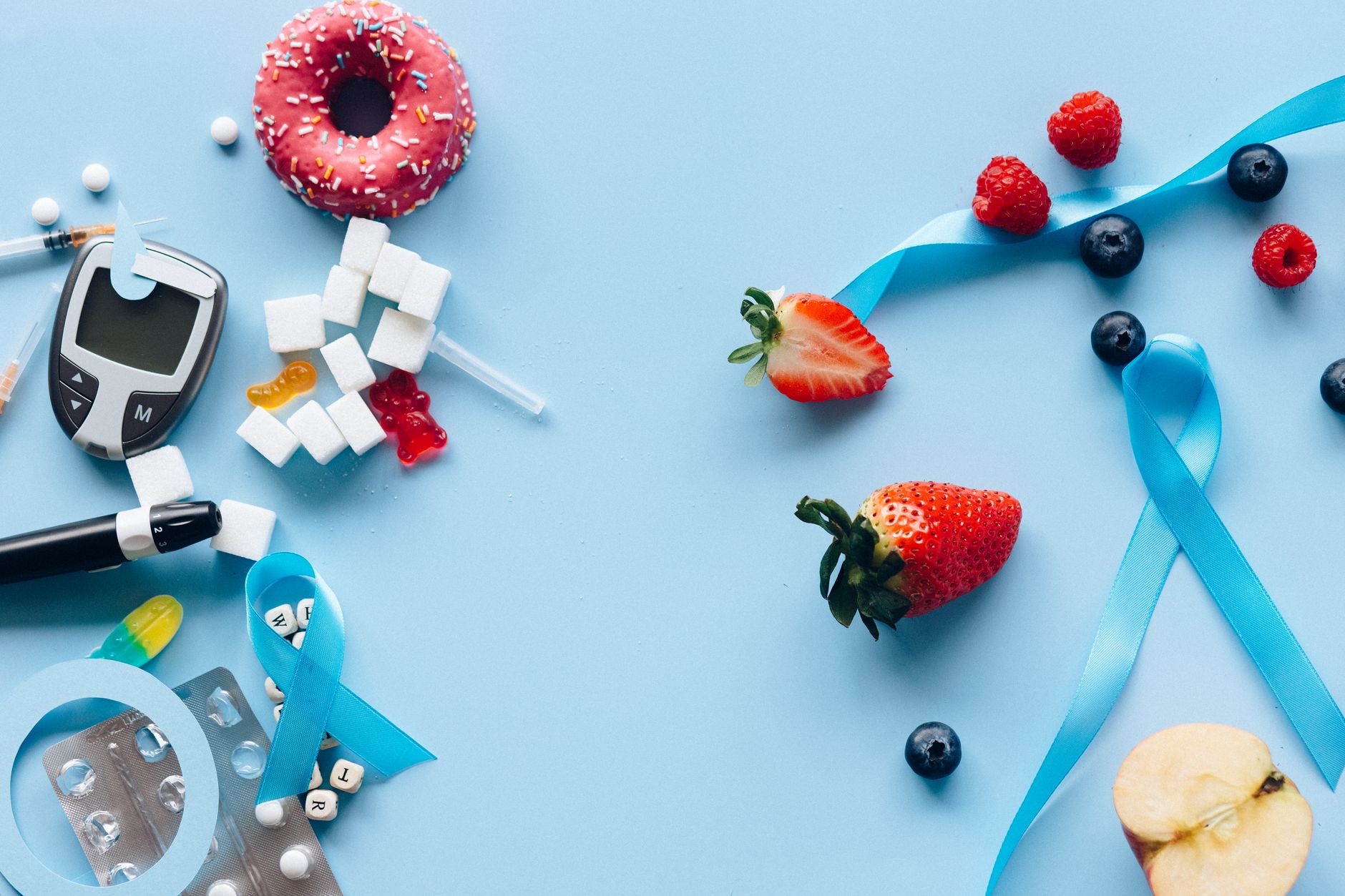
Understanding insulin resistance and diet
If you're dealing with insulin resistance, what you eat matters. It’s less about strict rules and more about choosing foods that help your body use insulin better.
What is insulin resistance?
Insulin resistance happens when your cells don’t respond well to insulin, the hormone that controls blood sugar. Over time, this can lead to higher blood sugar levels and a higher chance of developing type 2 diabetes. The good news is, it can often be improved through lifestyle changes.
Key principles of a good diet for insulin resistance
- Choose low-glycemic foods: These foods cause a slow, steady rise in blood sugar, making it easier for your body to manage insulin. Examples include whole grains, legumes, vegetables, and some fruits.
- Eat more fiber: Fiber-rich foods slow down digestion and sugar absorption, helping prevent blood sugar spikes. Vegetables, nuts, seeds, and whole grains are good sources.
- Add healthy fats: Unsaturated fats from olive oil, avocados, and fatty fish can support insulin sensitivity.
- Cut back on processed and sugary foods: Foods high in added sugars and refined carbs can worsen insulin resistance.
- Balance your meals: Combining protein, healthy fats, and fiber helps keep blood sugar stable throughout the day.
Sample dietary patterns
Following a Mediterranean-style diet, which includes plenty of vegetables, fruits, whole grains, nuts, seeds, and healthy oils, can help improve how your body responds to insulin. Limiting processed snacks and sugary drinks is also important.
Supportive nutrients and supplements
Some nutrients, like magnesium, chromium, and omega-3 fatty acids, may help support insulin function. They shouldn't replace a healthy diet but can be part of a broader health plan. Always talk to a healthcare provider before starting supplements.
Hope and reversibility
The good news is that insulin resistance can often be reversed. Small, consistent changes in your diet, combined with regular activity and good sleep, can improve your body's response to insulin and lower health risks.
Conclusion
Choosing the right foods and habits can help you manage insulin resistance. Focus on whole, minimally processed foods, keep your meals balanced, and consult a healthcare professional for personalized guidance.




0 Comments