Introduction
Fatty liver disease, or non-alcoholic fatty liver disease (NAFLD), is increasingly common. It’s not just about fat in the liver; it’s linked to insulin resistance, which plays a role in type 2 diabetes and metabolic problems. The good news? Both fatty liver and insulin resistance can improve with lifestyle changes and proper care.
What Is fatty liver and how does it affect insulin resistance?
Fatty liver happens when excess fat accumulates in liver cells. This can result from poor diet, obesity, or a sedentary lifestyle. When the liver becomes fatty, it struggles to process glucose and fats normally, which can impact how your body responds to insulin.
Insulin is a hormone that helps your body use sugar (glucose) for energy. When the liver is overloaded with fat, it becomes less responsive to insulin — a condition called insulin resistance. This means your body produces more insulin to achieve the same effect, often leading to higher blood sugar levels over time.
Studies, including those from the American Heart Association, show that fatty liver significantly contributes to insulin resistance, creating a cycle that can lead to type 2 diabetes and heart disease.
Why is this important?
Knowing this connection is important because fatty liver isn’t just a liver problem — it affects your overall health. Since both conditions are linked to lifestyle, they are often reversible with changes you can make.
What you can do about it
1. Improve your diet
Eat more whole foods: vegetables, lean proteins, healthy fats like olive oil and nuts, and whole grains. Cut back on sugar, refined carbs, and processed foods, which can worsen fatty liver and insulin resistance.
2. Increase physical activity
Regular exercise, such as walking, cycling, or swimming, helps lower liver fat and improves insulin sensitivity. Aim for at least 150 minutes of moderate activity each week.
3. Manage your weight
Even a small weight loss of 5-10% can significantly reduce liver fat and improve insulin response. Focus on sustainable changes rather than quick fixes.
4. Consider supplements and nutrients
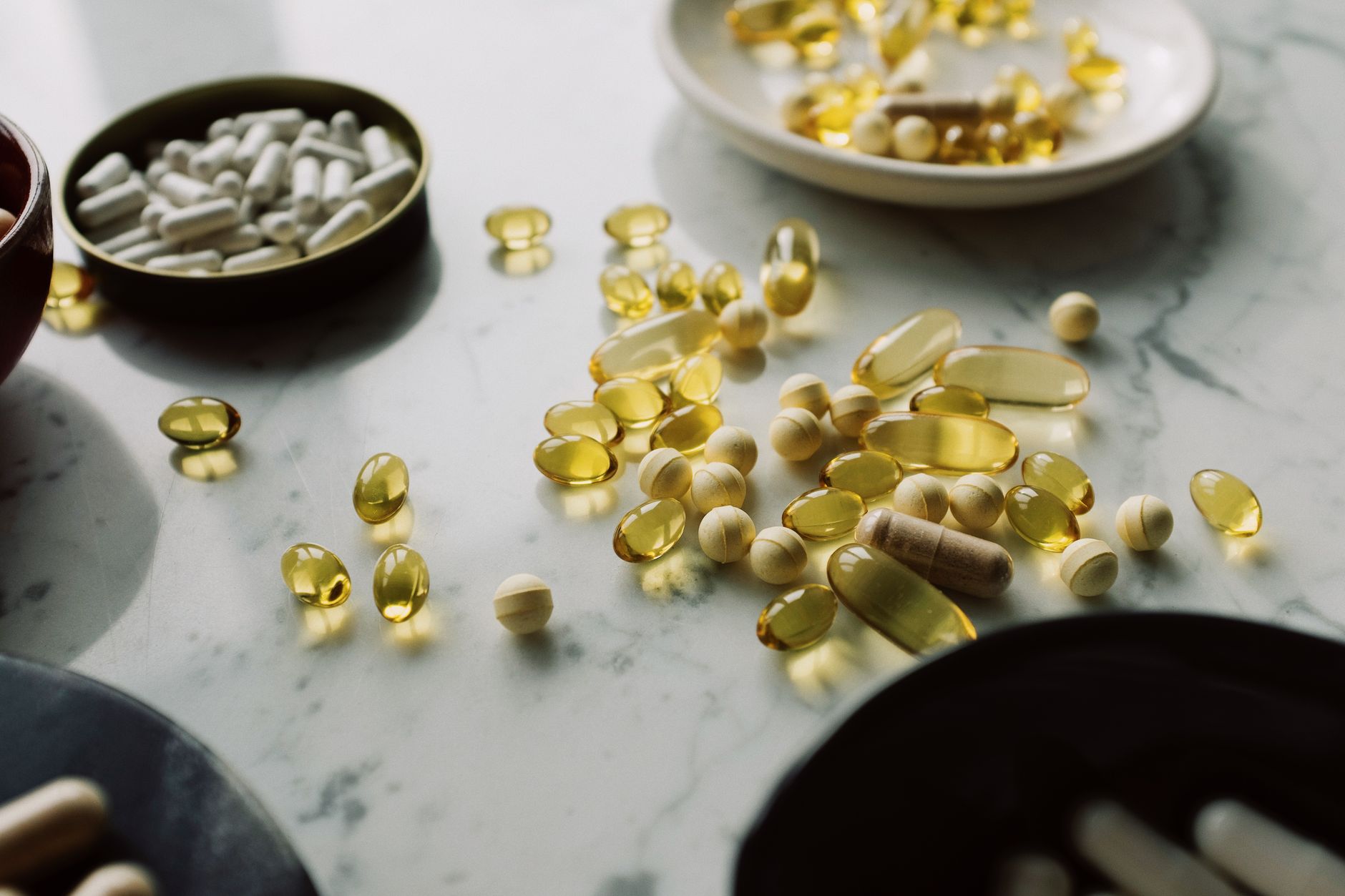
Some nutrients like omega-3 fatty acids, vitamin E, and milk thistle have been looked at for their potential to support liver health. Remember, supplements aren’t a cure and should be part of a plan guided by a healthcare professional.
Other supportive strategies
Getting enough sleep, managing stress, and avoiding excessive alcohol can help manage fatty liver and insulin sensitivity. Regular check-ups allow for monitoring progress and adjusting your plan as needed.
Conclusion
Fatty liver and insulin resistance are connected but manageable and reversible. Making healthier choices today can improve your liver health, enhance insulin sensitivity, and lower your risk of conditions like diabetes and heart disease. Small, consistent steps add up over time.
FAQs
- Q: Can fatty liver be cured?
A: With lifestyle changes such as diet and exercise, fatty liver can often be reversed. - Q: Is insulin resistance reversible?
A: Yes, improving diet, increasing activity, and losing weight can restore insulin sensitivity. - Q: Are supplements effective?
A: Some nutrients may support liver health, but they are not substitutes for lifestyle changes.




0 Comments