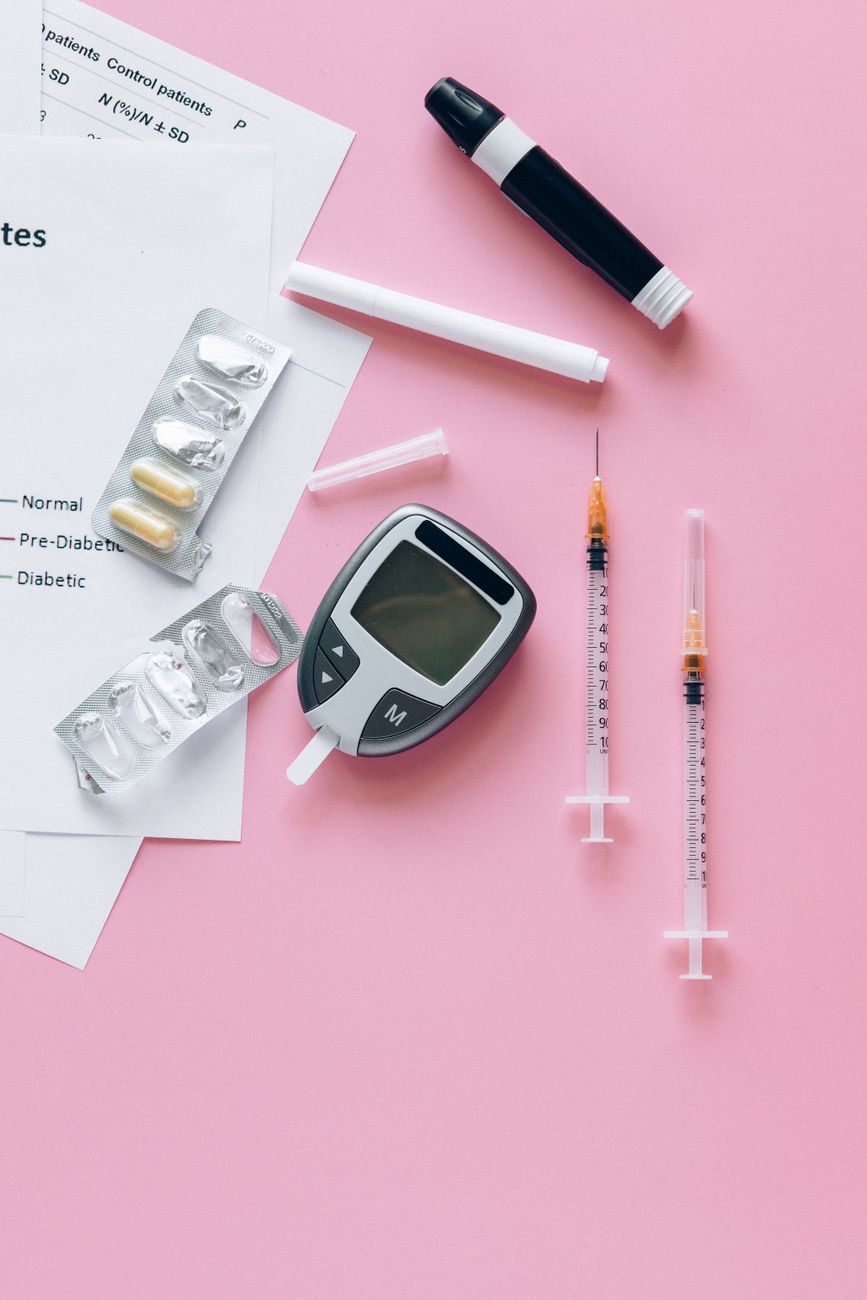
Understanding insulin and its role in your body
Insulin is a hormone that helps your cells absorb sugar (glucose) from your blood for energy or storage. When your body responds well to insulin, blood sugar levels stay balanced. But many people develop insulin resistance, where your cells don’t respond effectively, leading to higher blood sugar and health risks.
How exercise supports insulin sensitivity
Regular physical activity helps your cells become more responsive to insulin. When you move, especially during muscle activity, your muscles can absorb glucose without needing as much insulin. This makes your body better at managing blood sugar naturally and lowers the risk of diabetes.
Types of exercise that boost insulin response
1. Aerobic exercise
Activities like brisk walking, cycling, swimming, or jogging raise your heart rate and improve heart health. Aerobic workouts help muscles use glucose more effectively and can lower blood sugar after exercise.
2. Resistance training
Weight lifting, resistance bands, or body-weight exercises build muscle. More muscle means a larger area to absorb glucose, which improves insulin sensitivity over time.
3. High-Intensity Interval Training (HIIT)
Short bursts of intense activity followed by rest, like sprinting or circuit workouts, can quickly improve insulin response and metabolic health.
Making exercise a natural part of daily life
Consistency matters. Mix aerobic, resistance, and HIIT workouts into your routine. Small changes, like taking the stairs or walking during breaks, can add up.
The science behind it
Studies from the NHLBI and ADA show that regular exercise helps muscles take up more glucose and improves insulin signaling. These benefits can be reversed or strengthened with consistent activity.
Empowerment and hope
The good news? You can support your insulin response through exercise. It’s a practical, accessible way to boost your health, reduce reliance on medication, and feel more energetic. Always check with your healthcare provider before starting a new workout, especially if you have health issues.
Conclusion
Different types of exercise—like aerobic, resistance, and HIIT—can help your body respond to insulin naturally. Making movement a regular part of your day can help manage blood sugar, increase energy, and improve overall health.




0 Comments