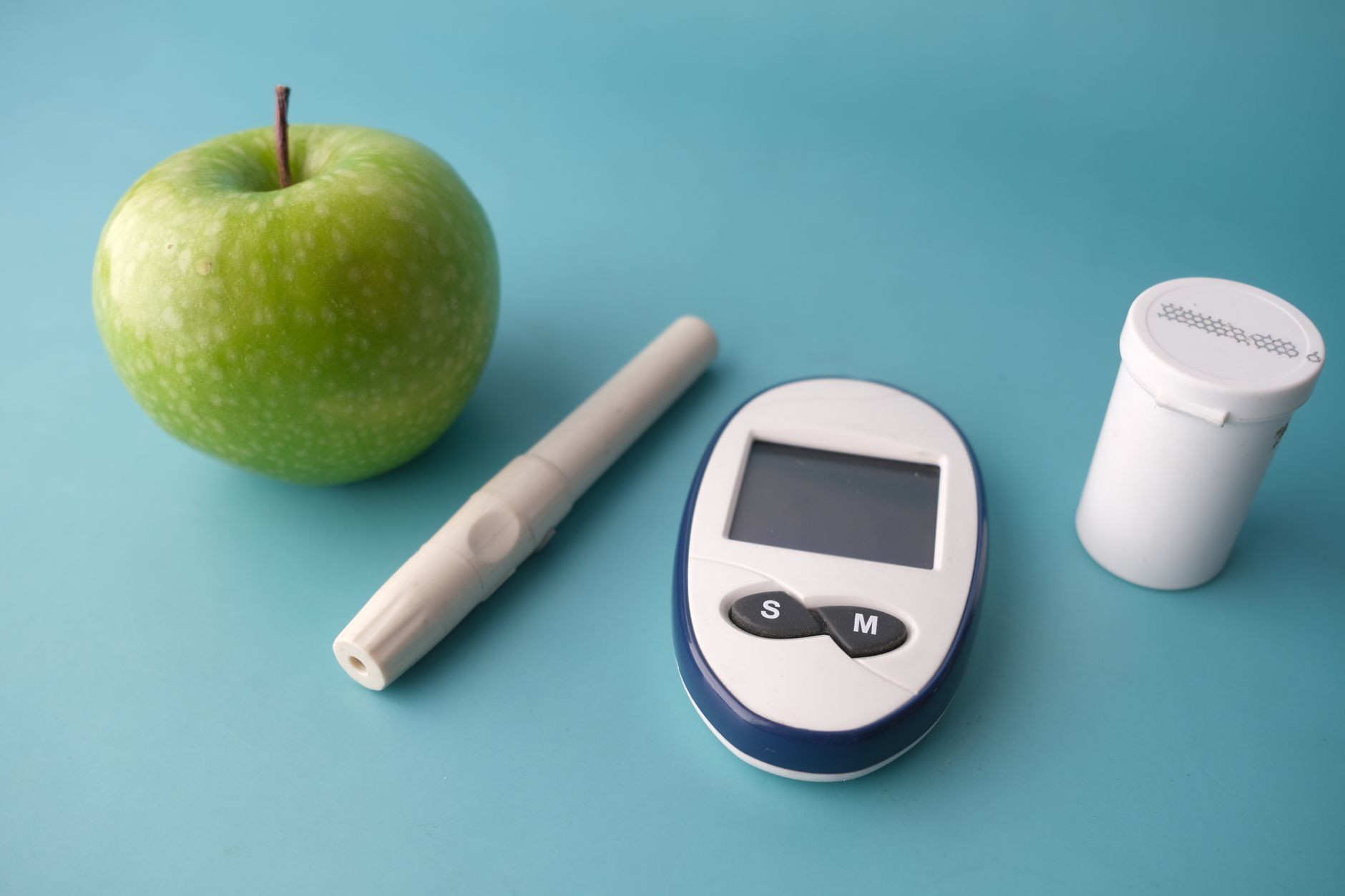
Understanding insulin resistance
Insulin resistance occurs when your body's cells don't respond well to insulin, the hormone that helps move sugar from your blood into cells for energy. Over time, this can lead to higher blood sugar levels and increase your risk of type 2 diabetes, heart disease, and other health issues. The good news is, insulin resistance can often be improved through lifestyle changes and proper management.
How you can manage insulin resistance
1. Eat a balanced, whole-foods diet
Foods high in fiber, healthy fats, and lean proteins help slow sugar absorption and boost insulin sensitivity. Focus on vegetables, fruits, whole grains, nuts, seeds, and fish. Cut back on processed foods and sugary drinks, which can cause blood sugar spikes and make insulin resistance worse.
2. Keep a healthy weight
Too much fat, especially around the belly, is linked to insulin resistance. Losing even a small amount of weight—around 5 to 10 percent of your body weight—can improve how your body responds to insulin. Combining healthy eating with regular activity is the most effective way to achieve this.
3. Stay active
Exercise helps your muscles use sugar more efficiently. Aim for at least 150 minutes of moderate activity, like brisk walking, each week. Strength training twice a week also helps build muscle, which can improve insulin response.
4. Prioritize sleep and manage stress
Not getting enough sleep and chronic stress can reduce insulin sensitivity. Try to get 7 to 9 hours of quality sleep each night. Incorporate activities like meditation, yoga, or deep breathing to help manage stress.
5. Think about supplements
Some nutrients, such as magnesium, chromium, and omega-3s, may support insulin sensitivity. But always check with your healthcare provider before starting any supplement, as research is still ongoing and evidence varies.
Additional tips and things to consider
Monitoring blood sugar and insulin levels, if your doctor recommends it, can help track your progress. Avoid smoking and excess alcohol, which can make insulin resistance worse. Remember, small consistent changes add up and can lead to meaningful improvements over time.
Reversing insulin resistance
The good news is, insulin resistance can often be reversed. By sticking to healthy habits, you can improve your body's response to insulin, lower your risk of chronic illness, and feel better overall. Work closely with your healthcare team to develop a plan tailored to your needs.
FAQs
- Q: Can I fully reverse insulin resistance?
A: Many people see significant improvements through lifestyle changes, but results vary based on individual health. Talk to your doctor for advice. - Q: Are supplements needed?
A: Not always. Focus first on diet, exercise, sleep, and stress management. Supplements can help but shouldn't replace these core habits. - Q: How long before I see results?
A: Some improvements may happen within weeks, but lasting change requires ongoing effort.
In summary
Managing insulin resistance involves a comprehensive approach—healthy eating, staying active, getting good sleep, and reducing stress. These steps can improve your insulin sensitivity and overall health. Remember, you're in control, and each positive change makes a difference.




0 Comments