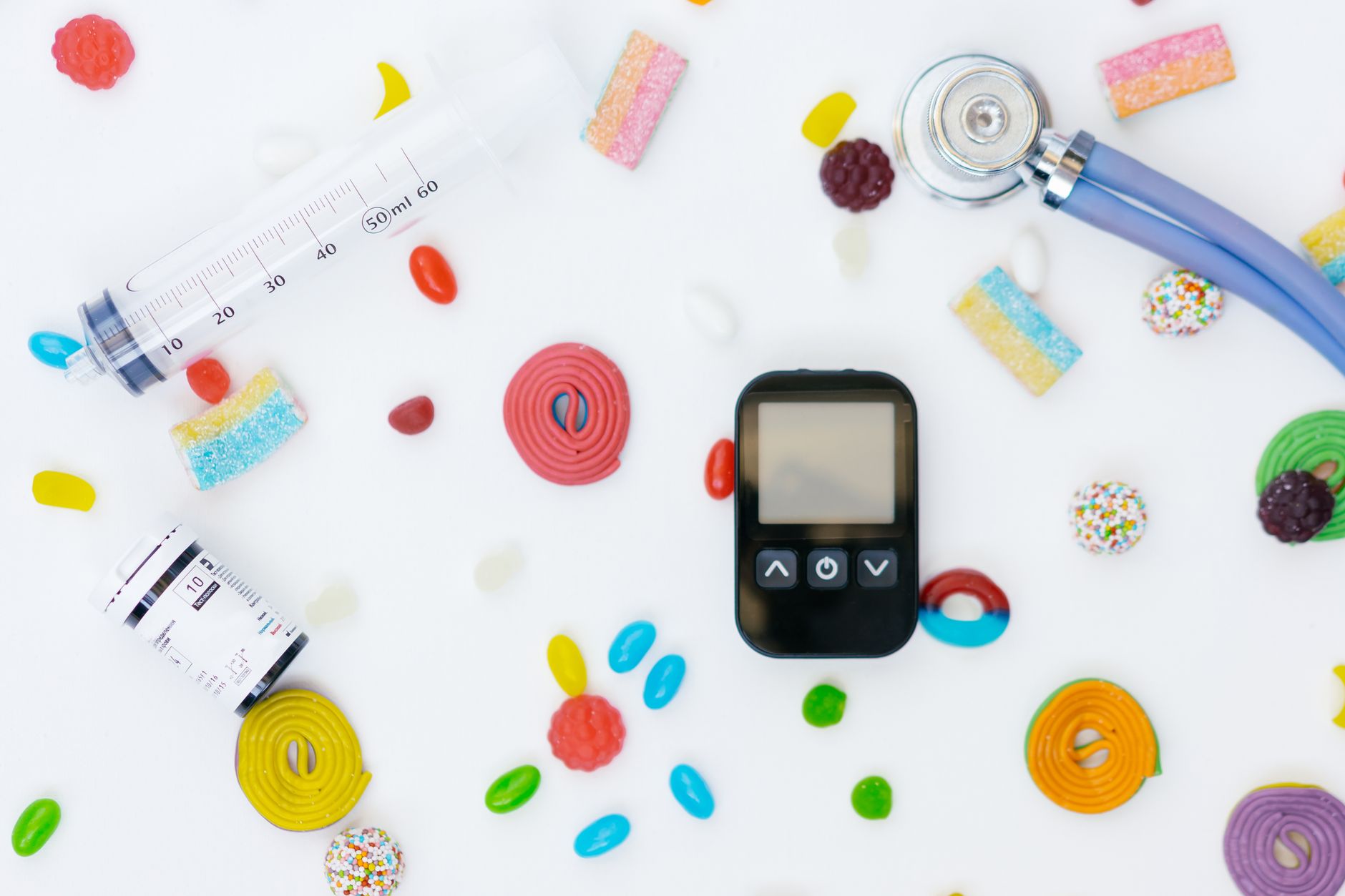
Understanding insulin resistance
Insulin resistance occurs when your body's cells don't respond well to insulin, the hormone that helps control blood sugar. Think of insulin as a key that unlocks your cells to let sugar in for energy. When cells become resistant, they don’t respond properly to insulin, which can cause blood sugar levels to rise.
How insulin resistance affects your body
This condition is linked to many health problems, including type 2 diabetes, weight gain, fatigue, and a higher risk of heart disease. When your body can't use insulin effectively, your pancreas makes more insulin to compensate. Over time, this can lead to high blood sugar and insulin levels that damage blood vessels and organs.
What causes insulin resistance?
Often, lifestyle factors like poor diet, lack of activity, excess weight—particularly around the belly—and chronic inflammation contribute to insulin resistance. Genetics can also play a part. Imagine your cells as doors that become sticky or blocked, making it harder for insulin to do its job. This 'stickiness' is often linked to inflammation and extra fat deposits.
Natural ways to boost insulin sensitivity
The good news is, insulin resistance can be reversed. Here are some practical steps:
- Eat a balanced diet: Focus on whole foods, vegetables high in fiber, lean proteins, and healthy fats. Cut back on processed foods and added sugars that cause blood sugar and insulin spikes.
- Get moving: Regular exercise, including aerobic and strength training, helps muscles use glucose more effectively.
- Manage your weight: Losing even a small amount of weight can make a noticeable difference in insulin sensitivity.
- Prioritize sleep: Good quality sleep reduces inflammation and helps keep hormones balanced.
- Reduce stress: Chronic stress raises cortisol, which can worsen insulin resistance. Practices like meditation or yoga can help manage stress.
Supporting your health with nutrients and supplements
Some nutrients may help improve insulin response, but they shouldn't replace healthy habits. Nutrients like magnesium, omega-3s, and chromium have been studied for their potential benefits. Always talk with a healthcare provider before adding supplements to your routine.
Hope and taking control
Making informed choices and adopting healthier habits can improve your body's response to insulin and lower your risk of related health problems. It takes time, but small, consistent steps can lead to real progress.
Bottom line
Insulin resistance is common and manageable. Understanding what causes it and making natural changes can really improve your health. Remember, small adjustments add up and can lead to a healthier, more energetic you.




0 Comments