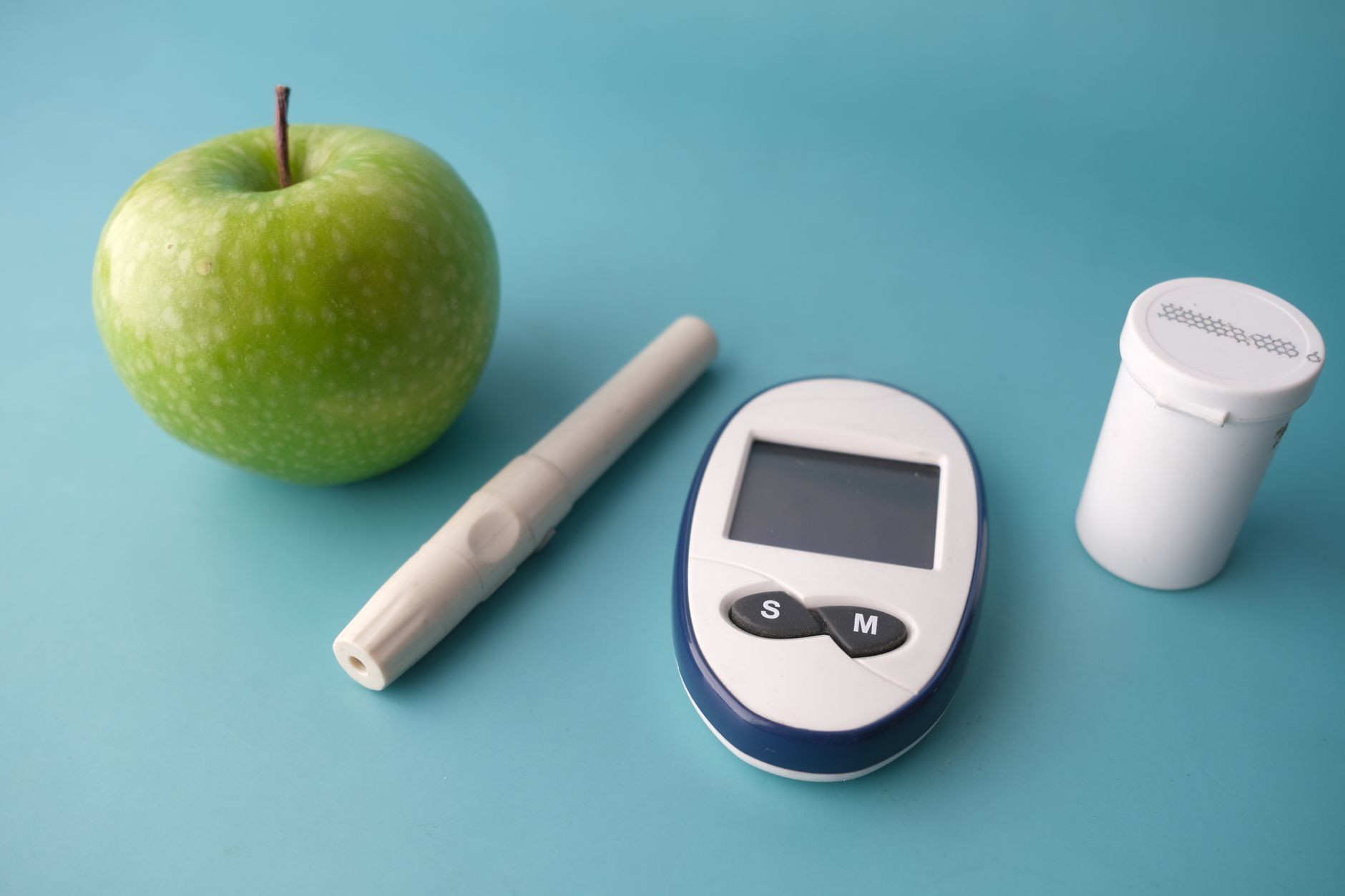
Understanding insulin response and its importance
Your body's ability to respond to insulin is essential for keeping blood sugar levels stable. When this response weakens, blood sugar can stay high, raising the risk of type 2 diabetes and other health problems. The good news? You can support and improve your insulin response with simple lifestyle changes.
Why insulin resistance happens
Insulin resistance happens when your cells stop responding well to insulin. This often comes from excess fat around the belly, poor diet, lack of activity, and ongoing inflammation. Think of insulin as a key that opens your cells to let sugar in. If the lock gets sticky or rusty, sugar stays in the blood, which can cause issues.
How to naturally improve your insulin response
1. Eat whole, unprocessed foods
Foods high in fiber, healthy fats, and lean proteins help your body respond better to insulin. Whole grains, vegetables, nuts, and fish are good options. These foods slow how quickly sugar enters your blood, preventing spikes and supporting insulin sensitivity.
2. Get regular physical activity
Exercise acts like a key that helps your cells respond more easily to insulin. Both aerobic activities like walking or cycling and resistance exercises like weight lifting can improve insulin sensitivity. Aim for at least 150 minutes of moderate activity each week.
3. Manage your weight and belly fat
Losing extra weight, especially around the abdomen, can greatly improve insulin response. Even a small weight loss of 5-10% can make a difference. Focus on steady, sustainable changes rather than quick fixes.
4. Prioritize sleep and stress control
Chronic stress and poor sleep can hurt insulin response. Practice relaxation techniques, keep a regular sleep schedule, and establish a calming bedtime routine to support your metabolic health.
Supporting your body with nutrients and supplements
Some nutrients may help improve how your body responds to insulin. Magnesium, chromium, and omega-3 fatty acids have shown potential benefits. But remember, these are meant to support healthy habits, not replace them. Always check with a healthcare provider before starting new supplements.
Hope and reversibility
The good news is that insulin resistance can often be reversed. Making these simple lifestyle changes can improve your body's natural response to insulin and boost overall metabolic health. Small, consistent steps lead to meaningful, lasting progress.
Summary
Improving insulin response involves eating well, staying active, managing weight, and reducing stress. These proven strategies can help you take control of your metabolic health naturally.




0 Comments