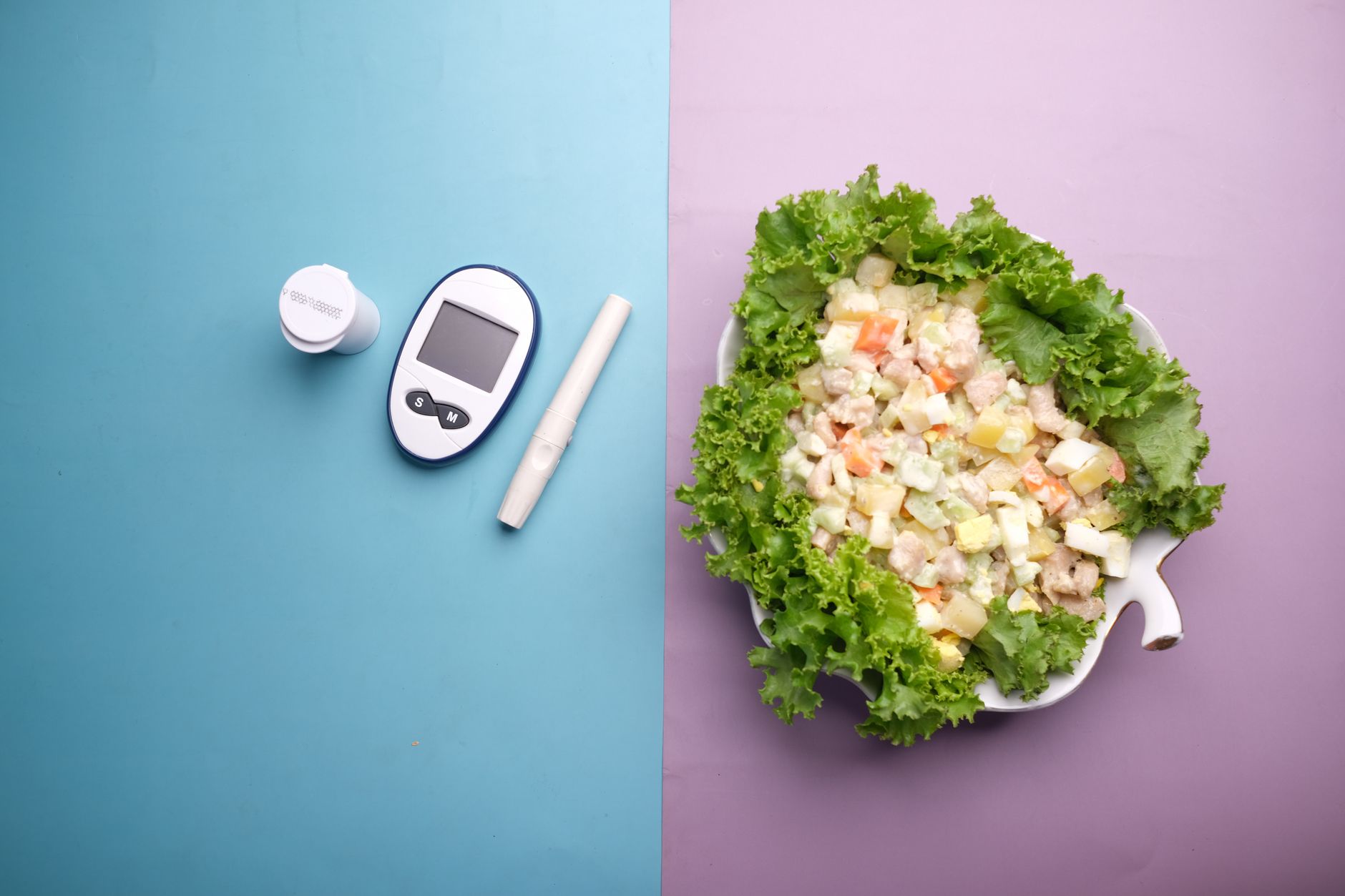
Understanding insulin sensitivity
Insulin sensitivity shows how well your body responds to insulin, the hormone that controls blood sugar. When sensitivity is high, your body uses insulin effectively, keeping blood sugar stable. Low sensitivity, or insulin resistance, can lead to health problems like type 2 diabetes. The good news is that lifestyle changes can improve insulin sensitivity without medication.
1. Prioritize whole, unprocessed foods
Eating foods in their natural form helps keep blood sugar steady and reduces insulin spikes. Focus on vegetables, fruits, lean proteins, healthy fats, and whole grains. These foods have fiber and nutrients that support blood sugar control. For instance, swapping white bread for whole-grain bread can make a real difference.
2. Engage in regular physical activity
Exercise is one of the best ways to boost insulin sensitivity. Both aerobic activities like walking, cycling, and swimming, and resistance exercises such as weightlifting, help muscles respond better to insulin. Aim for at least 150 minutes of moderate activity each week.
3. Manage your weight and body composition
Carrying extra weight, especially around the belly, can make insulin less effective. Losing just 5-10% of your weight can improve sensitivity. Focus on sustainable habits like balanced eating and consistent exercise.
4. Prioritize sleep and manage stress
Chronic stress and poor sleep can increase insulin resistance. Practice good sleep habits—aim for 7-9 hours of quality sleep—and try stress reduction techniques like mindfulness, meditation, or deep breathing exercises.
5. Incorporate intermittent fasting or time-restricted eating
Limiting eating to specific hours each day can enhance insulin response. Intermittent fasting or time-restricted eating help lower insulin levels and improve sensitivity. Talk to a healthcare professional before starting fasting routines.
6. Consider certain nutrients and supplements
Some nutrients, such as magnesium, omega-3 fatty acids, and cinnamon, may support insulin sensitivity. Supplements can help, but they should complement a healthy diet. Always check with your healthcare provider before adding new supplements.
7. Limit added sugars and refined carbs
Cutting back on sugary drinks, sweets, and processed carbs can prevent insulin spikes. Focus on whole foods and natural sweeteners like berries or small amounts of honey if needed.
Optimism and reversibility
Improving insulin sensitivity takes time, but it is possible. Consistent healthy habits can reverse insulin resistance and lower your risk for related health issues.
Frequently asked questions
- Can I completely reverse insulin resistance? Yes, with lifestyle changes, insulin sensitivity can improve, especially in early stages.
- How long does it take to see results? Some changes are noticeable within weeks, but meaningful improvements often take a few months.
- Are supplements necessary? Not always. Focus on diet and activity first; supplements can support but aren’t a substitute for healthy habits.




0 Comments