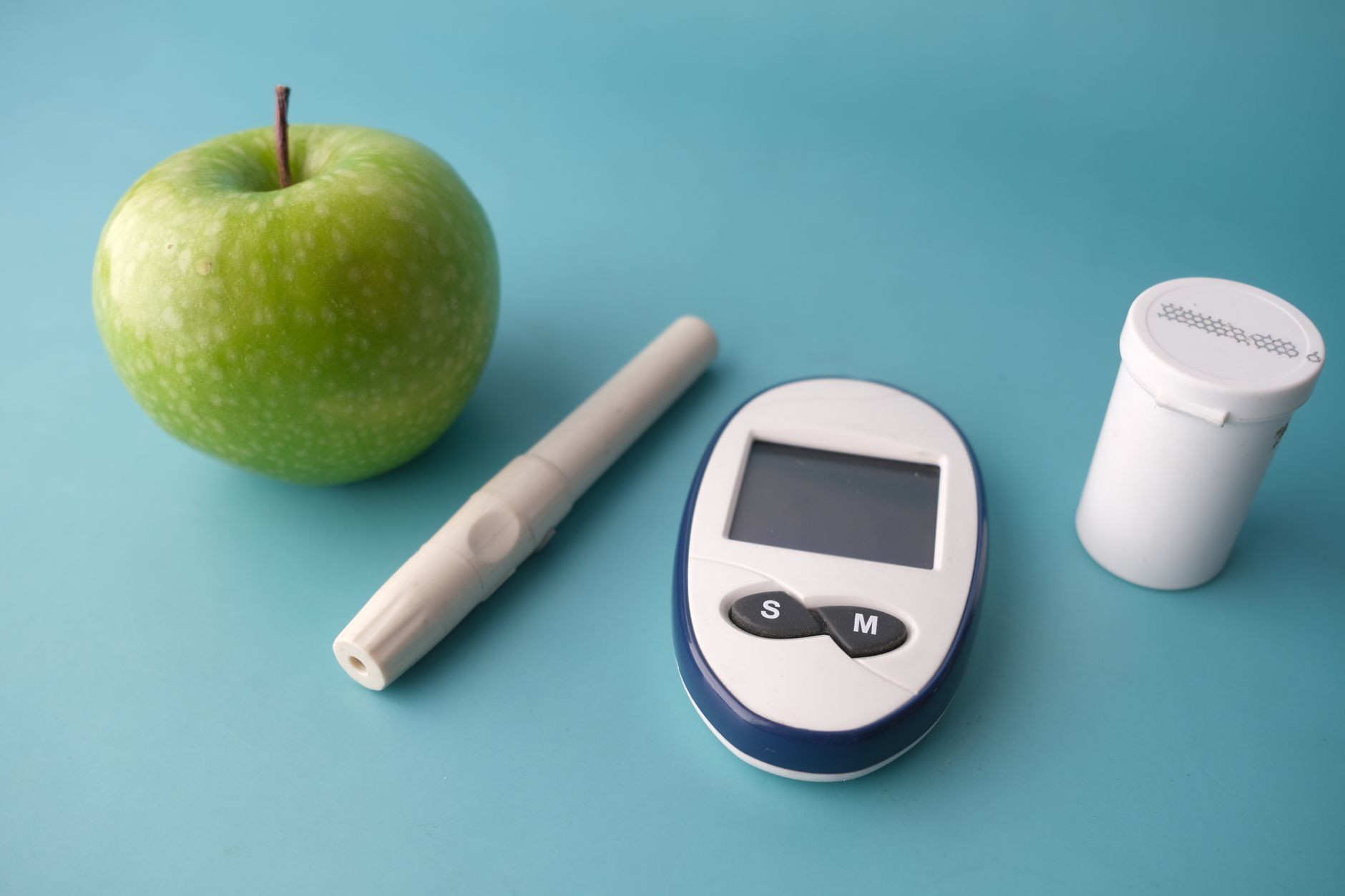
Understanding insulin sensitivity and why it matters
Insulin sensitivity shows how well your body uses insulin to control blood sugar. When sensitivity is good, your body needs less insulin. If it’s poor, or if you have insulin resistance, blood sugar can stay high and increase the risk of type 2 diabetes and other health problems.
1. Eat a balanced, whole-food diet
Choosing foods that are minimally processed, like vegetables, fruits, lean proteins, whole grains, nuts, and seeds, can improve insulin sensitivity. These foods are high in fiber, which helps slow sugar absorption and keeps blood sugar steady.
Research from the American Heart Association shows that diets high in fiber and low in refined carbs can boost insulin response. Avoid sugary snacks, sweet drinks, and refined grains that cause blood sugar spikes.
2. Get regular exercise
Physical activity is one of the best ways to improve insulin sensitivity. Both aerobic exercises like walking or cycling, and resistance training such as weightlifting, help muscles use insulin more effectively.
Studies in the NIH show that even moderate, consistent activity can have long-term benefits. Aim for at least 150 minutes of moderate exercise each week.
3. Get enough good sleep
Sleep is important for hormone regulation, including those that affect insulin. Poor or irregular sleep can make insulin sensitivity worse.
Set a consistent sleep schedule, create a calm sleep environment, and aim for 7–9 hours of quality sleep each night. The Mayo Clinic says better sleep can help control blood sugar levels.
4. Manage stress
Chronic stress releases hormones like cortisol that can block insulin’s effects. Finding ways to relax and manage stress can improve insulin sensitivity.
Practices like meditation, deep breathing, yoga, or spending time outside can help. The American Psychological Association notes that reducing stress supports metabolic health.
5. Consider supplements with medical advice
Some nutrients, such as magnesium, omega-3 fatty acids, and certain herbal extracts, might support insulin sensitivity. However, evidence varies, and they should be part of a healthy lifestyle.
Always check with your healthcare provider before adding new supplements. They work best when combined with other healthy habits, not as quick fixes.
Hope and the possibility of change
Insulin resistance can often be improved or reversed with lifestyle changes. Small, steady steps can lead to bigger health benefits over time. Every positive change helps your body better regulate blood sugar.
In summary
Boosting insulin sensitivity naturally involves eating well, staying active, getting enough sleep, managing stress, and possibly using supplements. These approaches are supported by science and can fit into your life. With patience and effort, you can take charge of your metabolic health and lower your risk of chronic illness.




0 Comments